What is a decoy car, and when is it worth using?
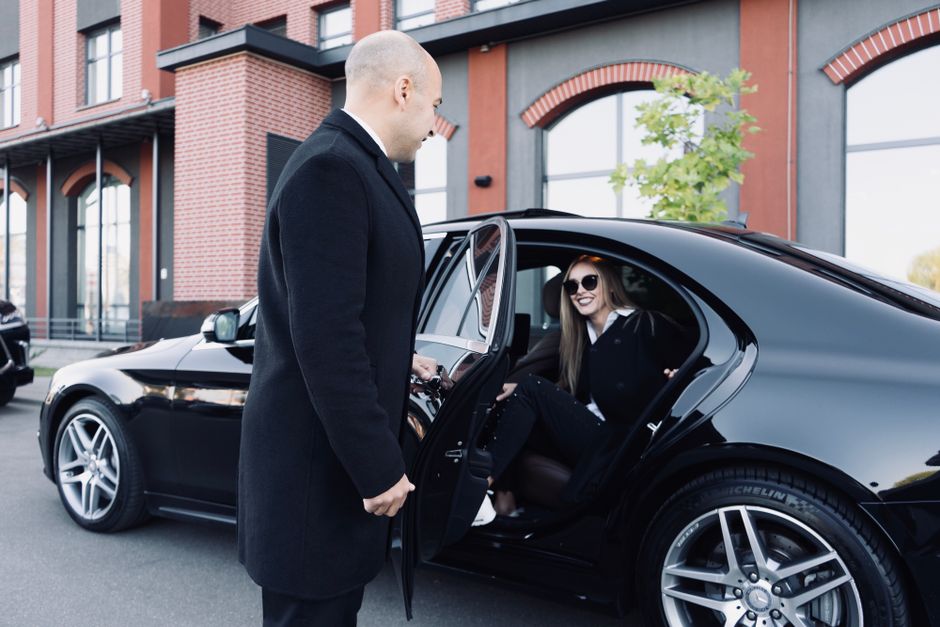
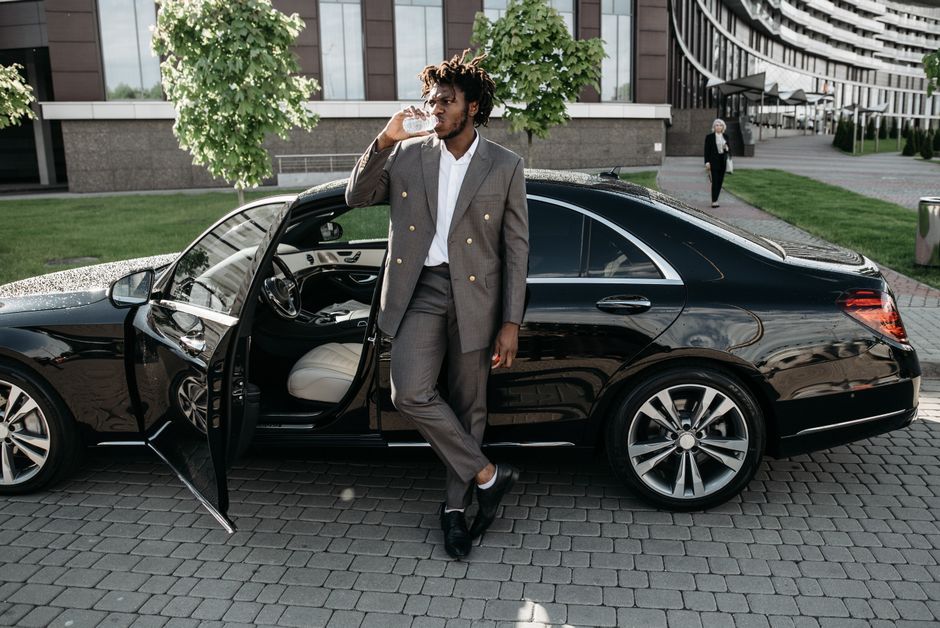
The idea is simple: photographers and fans watch the car they expect. If a recognizable black SUV sits at the front entrance with its doors open, attention stays there while the principal walks to a different vehicle at a side door or in the garage. The decoy then leaves a few minutes later, usually with a staff member or empty.
It is worth the effort when a location is staked out, when a departure time has leaked, or when a crowd would make a safe exit difficult. When you plan a decoy car departure with our privacy team, we start by asking whether a quieter, simpler option would work, because often it does.
Is a decoy departure legal?
Yes, provided everyone drives and behaves lawfully. A decoy is about where people look, not about evading anyone. Our rules are firm: no speeding, no running lights, no blocking roads or junctions, no false plates or markings, and no attempt to avoid police. If a photographer on a scooter follows, the chauffeur drives normally to the destination or to a pre-agreed secure garage; we never try to lose anyone at speed. The Highway Code and its equivalents abroad are the baseline for every movement.
How does a typical decoy departure run?
A sample timeline for a hotel exit after a dinner:
- 21:40 Car A, the decoy, pulls into the main porte-cochère and waits visibly.
- 21:45 Car B, the principal's car, enters the service road or garage level agreed with hotel security.
- 21:55 Principal is escorted through a staff corridor and leaves in Car B without stopping.
- 22:00 A team member leaves through the front in Car A, which drives off in a different direction.
- 22:05 Car C, the luggage car, departs separately to the next hotel or the airfield.
What is a second-vehicle plan?
Even without a decoy, a second car solves several problems. Luggage, wardrobe and equipment travel separately, so the principal's car does not wait at the kerb while bags are loaded in full view. Staff ride separately and can arrive early to check in. And if one car is boxed in, the other is already moving. On touring and awards calendars, a second car is often standard; our fleet pairs well-matched SUVs for exactly this reason.
Should the cars look the same?
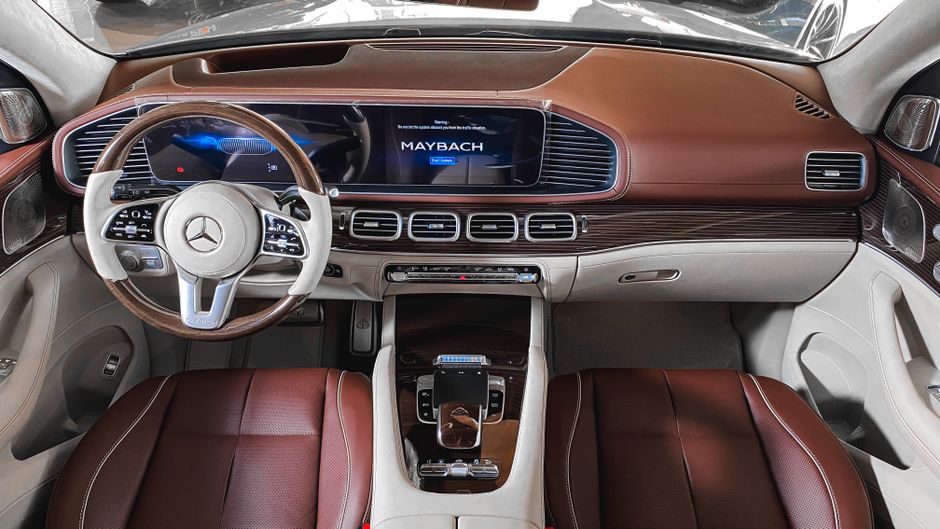
For a decoy, yes: same model, same color, similar tint, no branding. If the principal's car is the only Maybach in a line of SUVs, the trick fails. Plates will differ, which is normal, and we never alter them. For a purely logistical second vehicle, matching matters less, though an unremarkable van for luggage is better than a liveried one.
How do you coordinate with the venue?
Venue cooperation makes or breaks the plan. We speak to hotel security or the venue's operations manager in advance to confirm which service doors, loading docks or garage levels can be used, at what times, and who will escort the principal. Many hotels have done this many times and have rules about it; we follow them. At gala venues and arenas, staff exits are often controlled by separate security teams, so we confirm credentials for the car and driver too. Our gala transport and concert transport teams keep notes on the venues we use most.
When does a decoy make things worse?
In small resort towns where every exit is visible, a decoy simply doubles the number of cars being watched. Experienced photographers also know the routine and will cover side doors. And if the switch delays the principal by twenty minutes, the cost may outweigh the benefit. Sometimes the calmest choice is a brief, controlled walk to a car at the front, one or two photos, and a quick departure. Our guide to hotel exits that avoid photographers covers those alternatives.
Which tactic fits which situation?
| Situation | Usual approach |
|---|---|
| Departure time leaked, front entrance staked out | Decoy at front, principal via garage |
| After-party at a busy venue | Staggered exit, car staged off-site and called in |
| Heavy luggage or wardrobe | Separate luggage car, no loading at kerb |
| Small town, every exit visible | Single car, short controlled walk, no decoy |
| Family with children | Garage exit, second car for nanny and bags |
For late nights specifically, read our after-party exit plan.
How should the principal play their part?
Move promptly and do not hesitate at the door. Leave sunglasses and hats to personal taste; a confident, unhurried walk draws less notice than a disguise. Keep phones away until the car is moving. Let the escort open doors. Then the chauffeur takes over. To arrange the cars, send a request or brief the Travel Desk, and we will quote a flat fare before you confirm.
Frequently asked questions
Is using a decoy car legal?
Yes. It is simply a matter of where people look. Both cars drive lawfully, use real plates and stop for police like any other vehicle. We never try to outrun photographers or anyone else.
What happens if a photographer follows the real car?
The chauffeur drives normally to the destination or to a pre-agreed secure garage. We do not speed, swerve or take evasive routes; arriving calmly at a controlled entrance is the safest answer.
Do we need the hotel's permission to use a service exit?
Yes. Service corridors, loading docks and garage levels belong to the venue, and we always agree their use with hotel security or operations in advance and follow their rules. We also confirm credentials for the car.
Does the decoy car carry anyone?
Often a team member or assistant, sometimes no passenger at all. We do not ask anyone to impersonate the principal; the point is a recognizable car at a predictable door, not a lookalike.
Is a second vehicle worth it without a decoy?
Frequently. Luggage and staff travel separately, the principal's car never waits at the kerb while bags are loaded, and there is a backup if one car is blocked in. It also keeps loading out of sight.
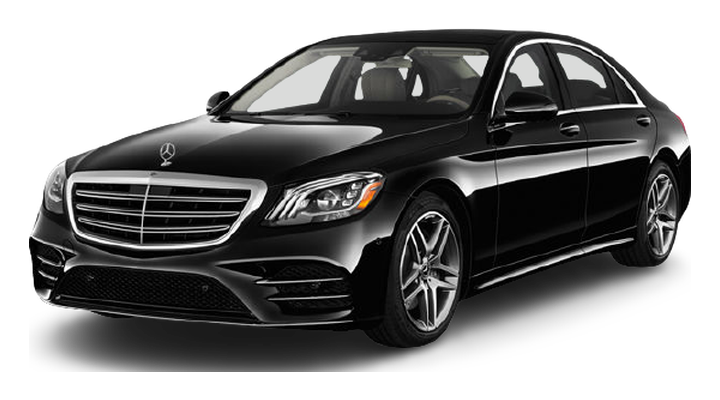 Mercedes-Benz S-Class
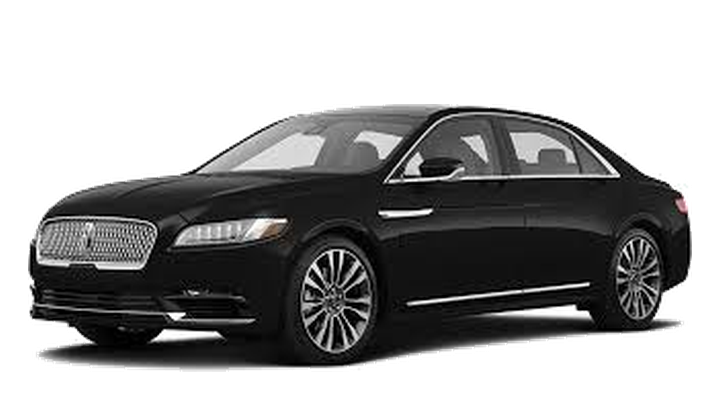 Premier Executive Sedan
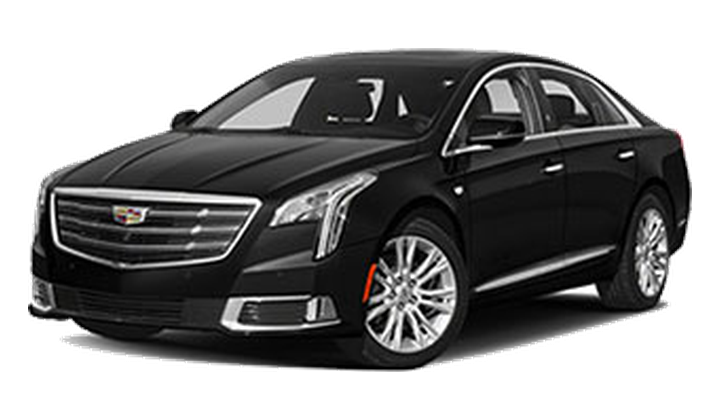 Executive Sedan
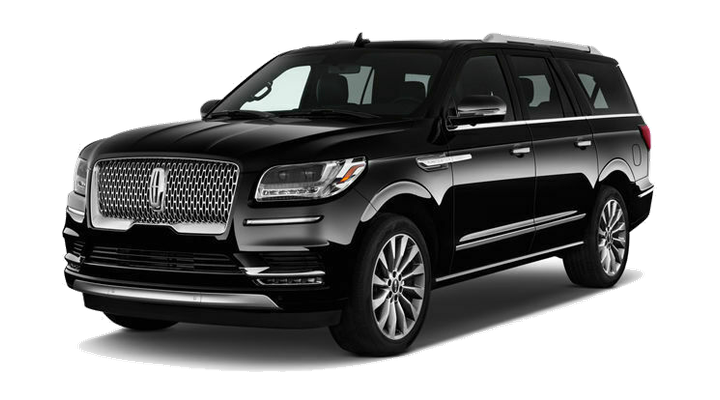 Premier Luxury SUV
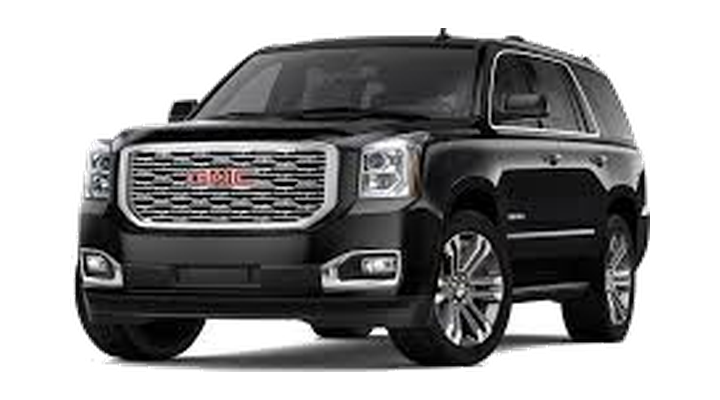 GMC Yukon XL / Suburban
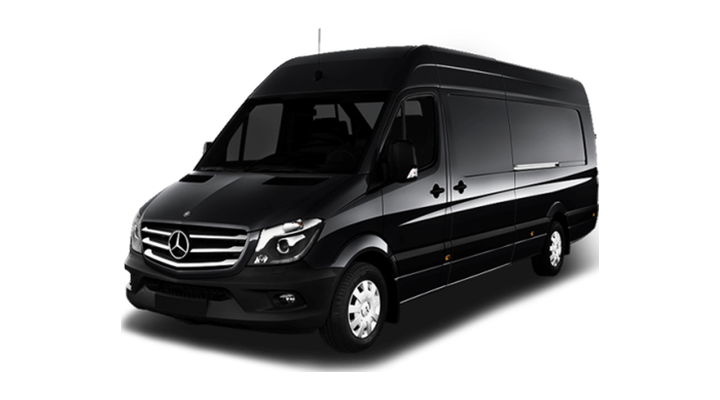 Mercedes-Benz Sprinter
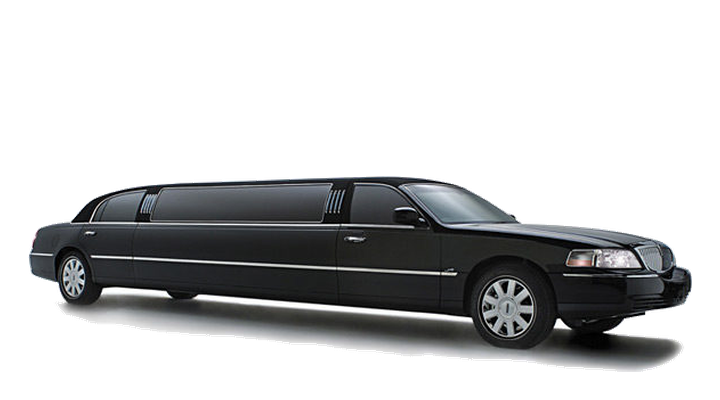 Stretch limousine