Why does family office travel need a written ground-transport policy?
Because ground transport is where most of the family's exposure actually happens. Private aviation is usually run through a single operator with strict procedures; the car at either end is often booked ad hoc, by different people, with different standards. A policy creates one expectation for every city, every family member and every staffer who makes a booking.
It does not need to be long. Four to six pages covering the sections below is enough, and the simplest way to put it into practice is to set up family office travel accounts with our Travel Desk, so the policy is applied automatically on every booking rather than remembered case by case.
Who can book, and who approves?
List the people authorized to book in writing: principals, executive assistants, the chief of staff, house managers, and perhaps the head of security. Each authorized booker gets their own login so there is an audit trail. Decide which bookings need a second approval, for example new cities, armored vehicles, or trips for minors traveling without a parent. Anyone not on the list who calls to change a trip is politely referred back to an authorized contact, which also protects against social-engineering attempts.
What vehicle and chauffeur standards should the policy set?
Set a minimum, not a wish list. Typical standards include:
- Vehicle class by purpose: executive saloon for principals, SUV for families, Sprinter for staff and groups, chosen from our fleet options.
- Maximum vehicle age and an unbranded, clean presentation.
- Chauffeurs employed or contracted by a licensed operator, background-checked, and bound by a signed confidentiality agreement.
- No subcontracting without notice.
- English plus the local language where the family travels often.
Our checklist of twelve questions for a chauffeur company converts neatly into supplier requirements.
How should the policy treat children and young adults?
Children need their own section. Specify that age-appropriate car seats are fitted before pick-up and checked by an adult, which we cover in detail in child seats and VIP family travel. Decide whether minors may travel with only a nanny or chauffeur, which adults may collect them from school, and what code word confirms an unexpected change. For young adults at university or on gap years, a simple rule such as "use the family account after midnight, no questions asked" is often the most valuable line in the whole document.
How do you tier destinations by risk?
| Tier | Typical destinations | Ground-transport standard |
|---|---|---|
| 1. Routine | Home cities, familiar resorts | Account chauffeur, standard vehicle |
| 2. Elevated | Major events, festivals, crowded seasons | Pre-assigned chauffeur, second car, staged pick-ups |
| 3. High | Places with serious travel advisories | Security adviser sign-off, trained driver, protected vehicle if advised |
Base the tiers on published government advice such as the UK foreign travel advice and on your adviser's view, and review them when advice changes.
What privacy and data rules belong in the policy?
State that every ground supplier must sign a confidentiality agreement, that bookings for principals use code names where possible, and that no supplier may photograph the family, residences or guests. Add data rules: what booking information may be shared, how long suppliers may keep it, and who in the office receives breach notifications. Our written Privacy Protocol is designed to slot straight into this section, and data-protection regulators such as the European Data Protection Board publish guidance on what suppliers should already be doing.
How should incidents and changes be reported?
Name one 24/7 contact on each side. Ours is the Travel Desk; yours might be the chief of staff or the security lead. Define what counts as an incident: a missed pick-up, a minor accident, an intrusive photographer, a lost item, a change requested by someone not on the authorized list. Require a short written note within a day, even for minor events, because patterns only show up when small things are recorded.
How do you keep invoicing clean across entities?
Most families pay through several entities: an operating company, a trust, individual family members and sometimes a foundation. Give each a cost code, and require every booking to carry one. We then invoice by code, with trip descriptions that show dates, vehicle class and code name but not residential addresses. Flat fares are quoted before each trip is confirmed, which makes month-end reconciliation straightforward.
How often should the policy be reviewed?
Once a year, and after any significant incident, change of household or new regular destination. Ask your suppliers to attend the review; they will tell you where the policy is being bypassed in practice. When you are ready to put it to work, open an account or reserve a first trip, and include airport and FBO preferences so our private jet transfer team can apply them from the first landing.
Frequently asked questions
How long should a family office ground-transport policy be?
Short enough that people read it. Four to six pages usually covers authority, standards, children, destination tiers, privacy, incident reporting and invoicing. Detail lives in supplier contracts, not the policy itself.
Can MoovLimo apply our policy automatically?
Yes. Our Travel Desk loads your rules into the account, including authorized bookers, vehicle classes, code names and cost codes, so every booking follows them without relying on memory. Changes to the rules are made only by named contacts.
Should children have separate rules?
Yes. Car seats, who may collect minors, code words for changes, and rules for teenagers traveling late at night all deserve their own section, agreed with the parents. Many families review that section each school year.
Do we need a security adviser to set destination tiers?
For routine and elevated tiers, published government advice and your own experience are usually enough. For high-risk destinations, a qualified security adviser should sign off the plan. We can apply the tiers automatically once they are agreed.
How are invoices split across family entities?
Each entity gets a cost code and every booking carries one. We invoice by code with discreet trip descriptions that omit residential addresses, and fares are agreed before each trip.
 Mercedes-Benz S-Class
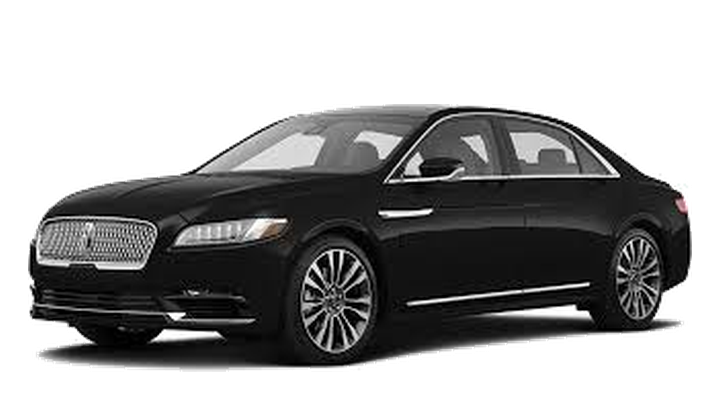 Premier Executive Sedan
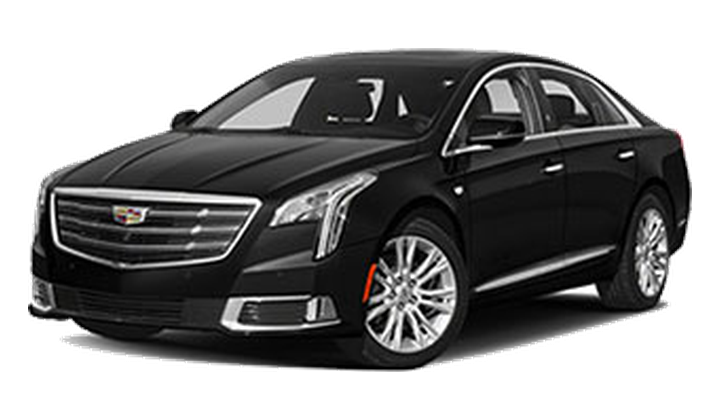 Executive Sedan
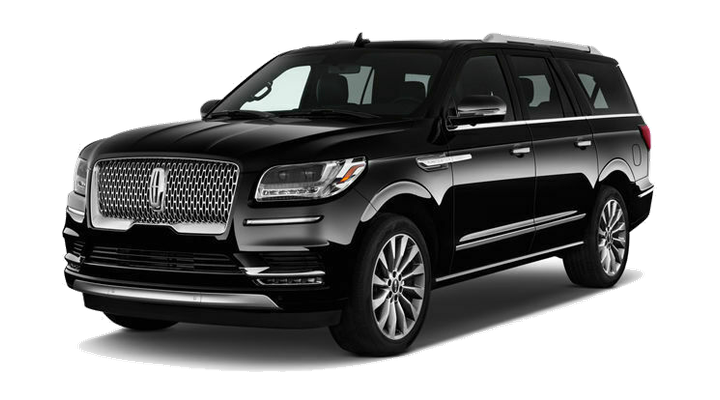 Premier Luxury SUV
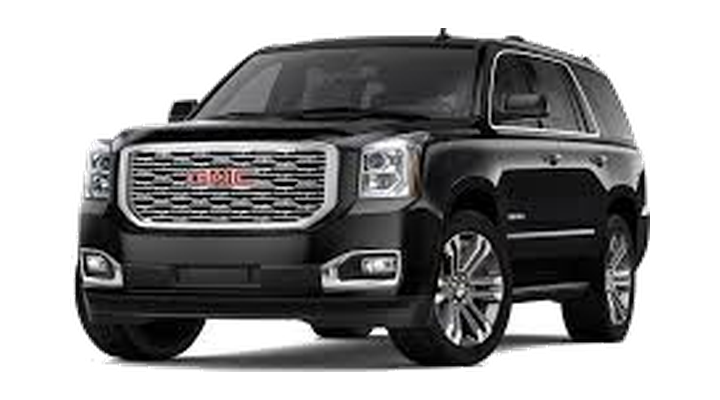 GMC Yukon XL / Suburban
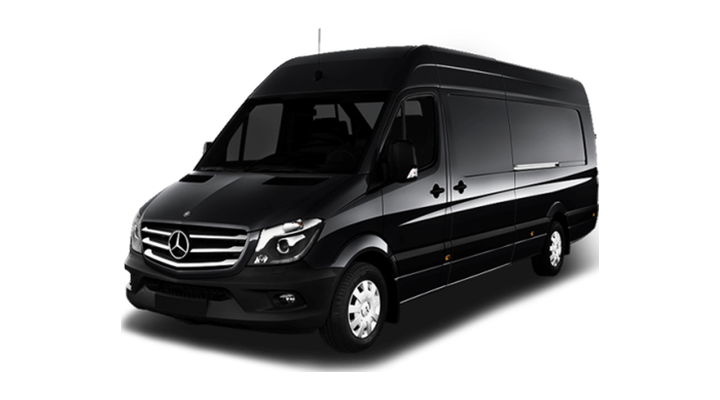 Mercedes-Benz Sprinter
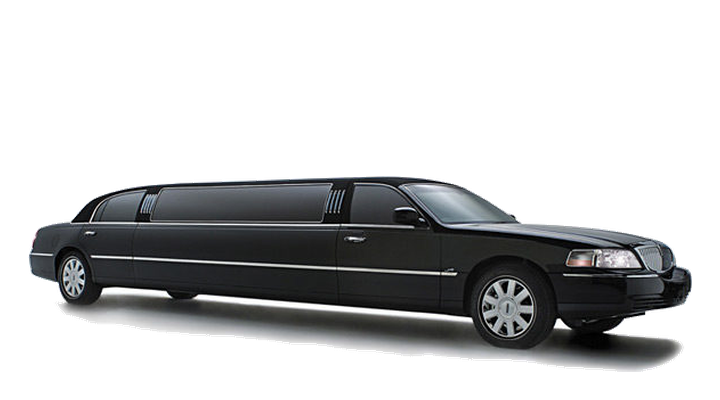 Stretch limousine