Terminals 1, 2 and 3
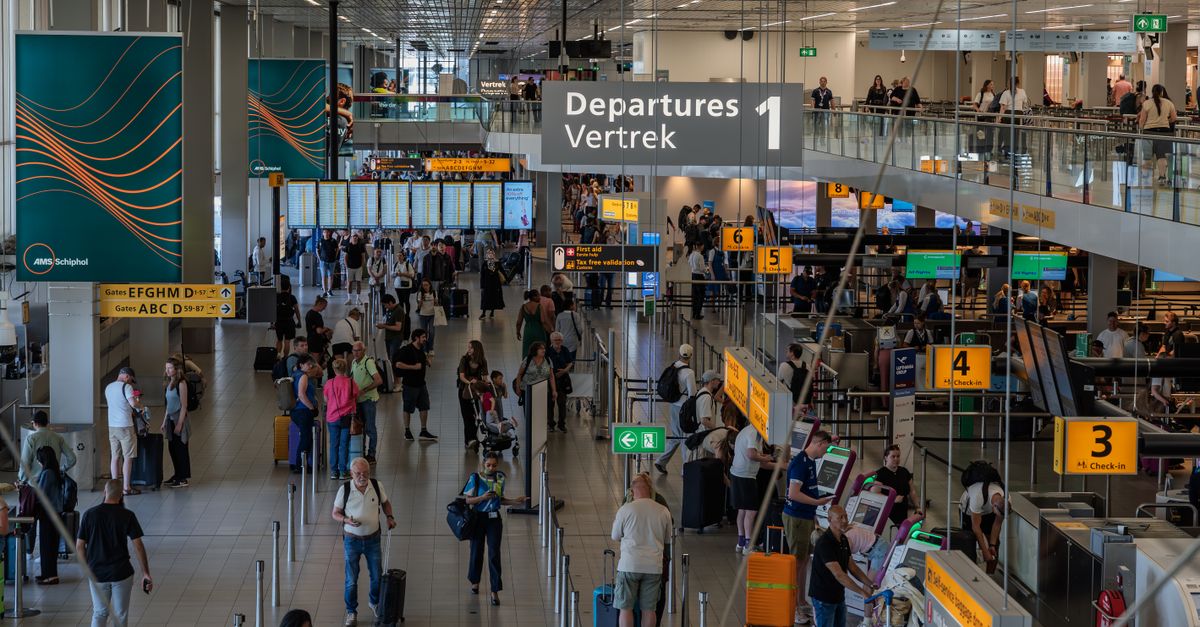
Haneda has three terminals. Terminal 3, renamed from the International Terminal in 2020, handles most international flights. Terminal 2 is ANA's domestic base and also hosts some ANA international services, while Terminal 1 serves JAL and its partners on domestic routes. Free shuttle buses connect them, and the Keikyu line and Tokyo Monorail run between the terminals and the city.
Because ANA international flights can use either Terminal 2 or Terminal 3, we confirm the terminal from your flight number before the chauffeur parks.
How a Haneda meet-and-greet works
Immigration at Haneda is orderly, and completing customs details in advance through Visit Japan Web saves time at the customs desk. Your chauffeur waits in the arrivals lobby holding a board in English, or a code name if you prefer. In the Japanese tradition, chauffeurs dress in dark suits, often with white gloves, open the doors for you and handle every bag; expect courtesy rather than conversation unless you start it.
The car waits in the terminal car park or the designated pickup area. Most clients are moving 30 to 45 minutes after landing.
Late-night and dawn arrivals
Many of Haneda’s international flights land between midnight and dawn, when trains have stopped and taxi lines grow long. A pre-booked chauffeur matters most at those hours, and we brief your hotel for the late check-in so the front desk is expecting you.
Choosing the car in Japan
The default VIP vehicle in Japan is not a limousine but a Toyota Alphard or Vellfire, spacious minivans with lounge seats that carry four in comfort with luggage. The Toyota Century, Japan's traditional executive sedan, and the Lexus LS are available for formal occasions, along with Mercedes-Benz sedans in our fleet. Japan drives on the left, and large hotel driveways in Tokyo are built around these vehicles. Japanese law requires child seats for young children, and we fit them before the car reaches the airport.
For long stays, many travelers send large cases ahead from the airport with a luggage forwarding service, a Japanese habit that frees the car and the hotel lobby. We can arrange it as part of the booking.
Drive times into Tokyo
| Destination | Off-peak | Peak |
|---|---|---|
| Minato: Roppongi, Toranomon, Akasaka | 20-30 min | 40-60 min |
| Ginza and Marunouchi | 25-35 min | 45-65 min |
| Shibuya, Aoyama and Omotesando | 30-40 min | 50-70 min |
| Shinjuku | 30-40 min | 50-75 min |
| Yokohama | 25-35 min | 40-60 min |
| Hakone | 1h30-2h | 2h30 or more |
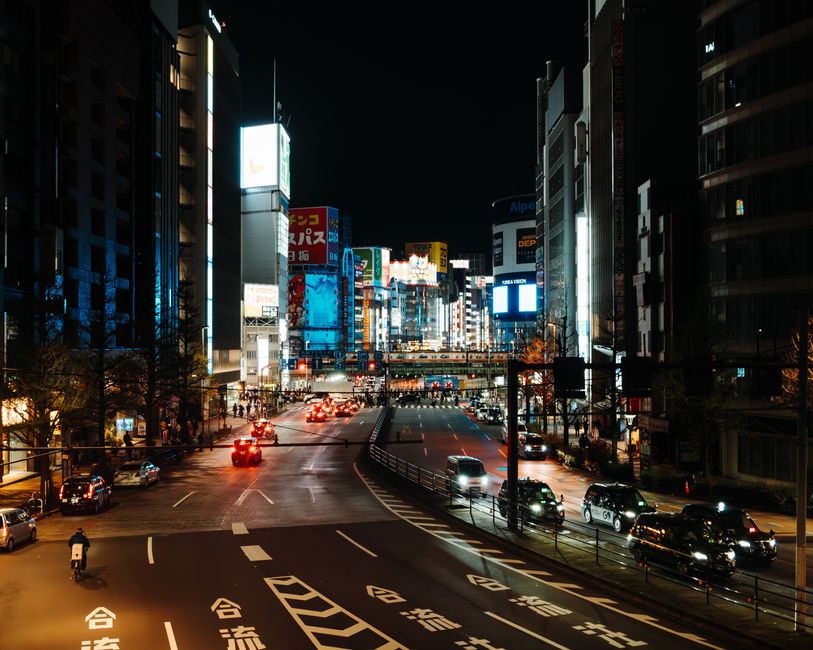
Most runs use the Metropolitan Expressway's Haneda and Bayshore routes. Expressway tolls are included in the flat fare.
Haneda or Narita
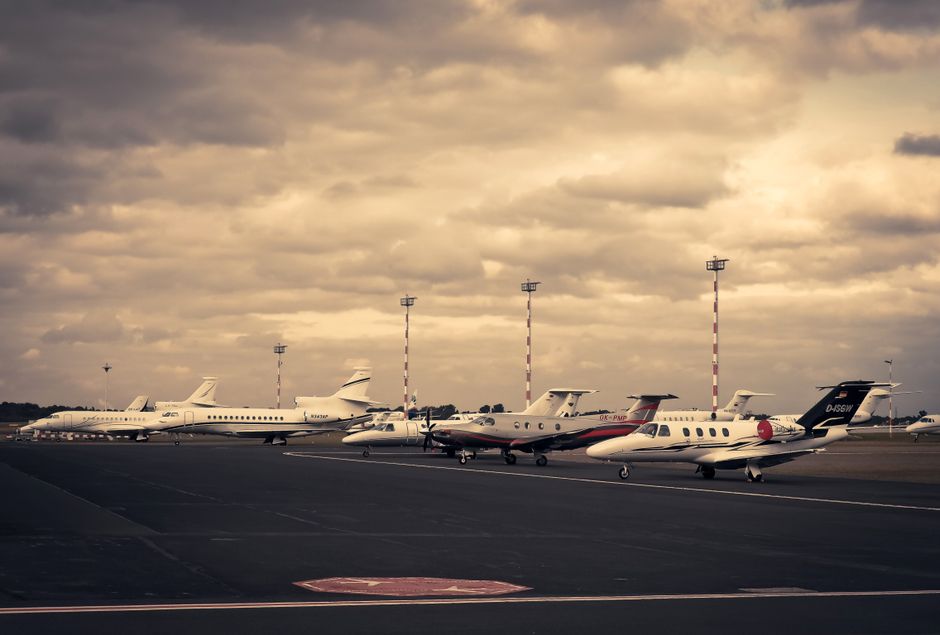
Narita is roughly 60 to 90 minutes from central Tokyo by car, against 20 to 40 from Haneda, so we usually suggest Haneda where your airline offers a choice. Narita remains essential for many airlines and some business-jet movements. Both airports accept private aircraft through dedicated business-aviation facilities, though slots at Haneda are limited; see our private jet transfers page and the comparison in Haneda or Narita for a chauffeured arrival.
Etiquette and discretion
Discretion comes naturally to Japanese chauffeurs, and tipping is not part of the culture: an attempt to tip may be politely declined, as our tipping guide explains. Fans of music and film stars do gather at Haneda arrivals when a flight becomes known, so for public figures we arrange quiet meeting points, hotel arrivals through private entrances and, where needed, a second car. Our Tokyo chauffeurs sign NDAs and follow the Privacy Protocol to the letter.
Long days and travel beyond Tokyo
Executives often book a chauffeur as-directed for a full day of meetings, with the car waiting outside each building. For Kyoto, Osaka or Nagoya the Shinkansen is usually faster than any car, so the travel desk arranges a chauffeur to meet you at the station on arrival. Racing fans heading to Suzuka often take the train to Nagoya and continue by road. Cherry-blossom season in late March and early April, and the autumn foliage weeks, are Japan’s busiest travel periods, so book English-speaking chauffeurs well ahead for those dates.
Book your Haneda chauffeur
Book a Tokyo Haneda chauffeur at a flat fare, read how we handle late flights, or compare meet-and-greet with curbside pickup. For other cities, see our airport transfers guide.
Frequently asked questions
How long from Haneda to Roppongi or Ginza?
About 20 to 35 minutes off-peak by the Metropolitan Expressway, and 40 to 65 minutes at rush hour. Shinjuku and Shibuya take a little longer.
Do your Tokyo chauffeurs speak English?
We assign English-speaking chauffeurs to international clients in Tokyo, which is not standard in Japan, so we recommend booking a few days ahead, especially in spring and autumn.
Is Haneda or Narita better for central Tokyo?
Haneda, in most cases: it is much closer. Narita is 60 to 90 minutes from the center by car. Choose by airline schedule first, then by airport.
What car will I get?
Usually a Toyota Alphard or Vellfire for its space and comfort, or a Lexus, Toyota Century or Mercedes-Benz sedan if you prefer. Tell us your luggage count and we size the vehicle.
Should I tip my chauffeur in Japan?
No. Tipping is not customary in Japan and may be politely refused. Good service is part of the fare.
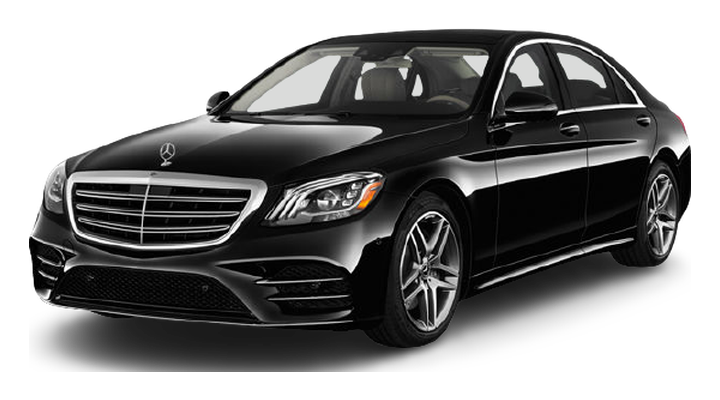 Mercedes-Benz S-Class
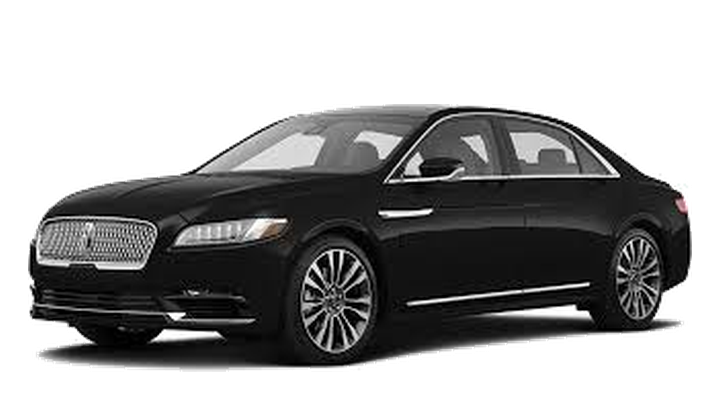 Premier Executive Sedan
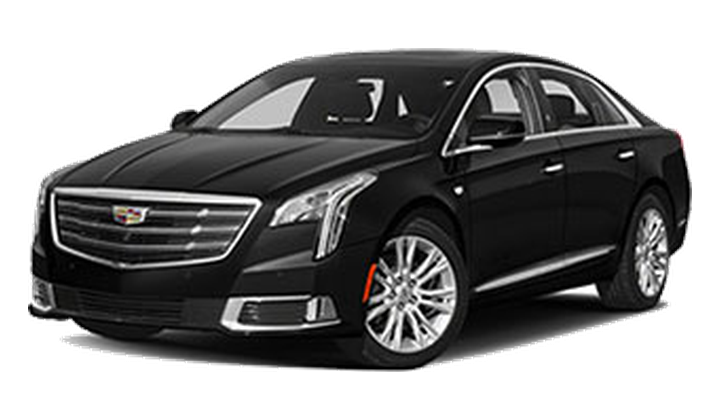 Executive Sedan
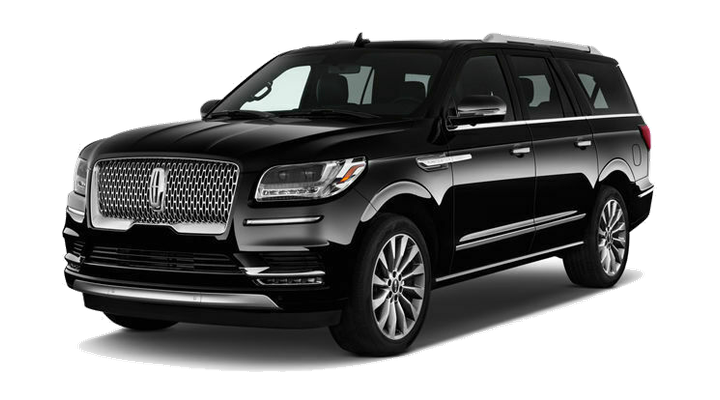 Premier Luxury SUV
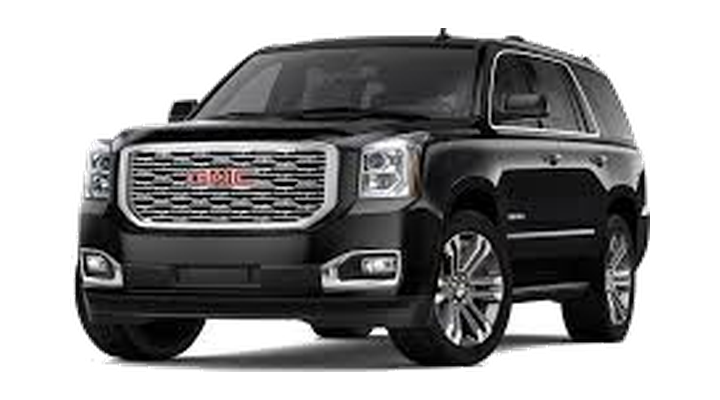 GMC Yukon XL / Suburban
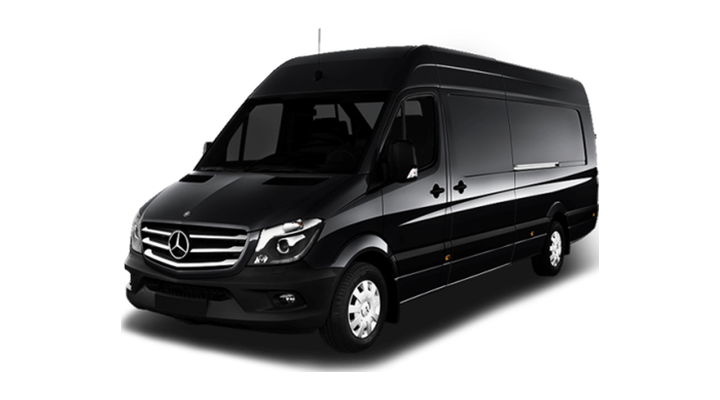 Mercedes-Benz Sprinter
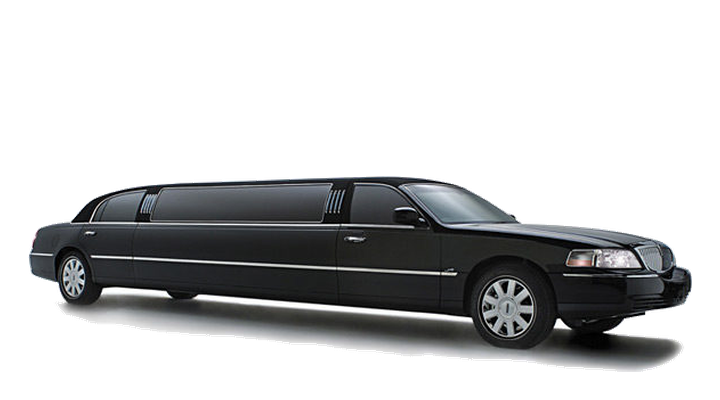 Stretch limousine