What is an executive protection driver, and how is it different from a chauffeur?
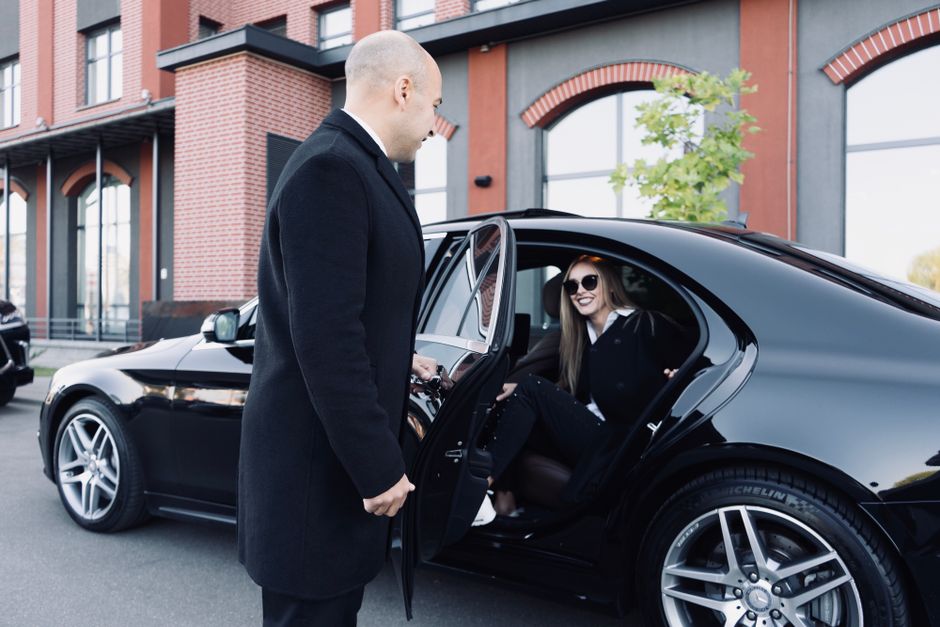
A good chauffeur already drives smoothly, knows the city and keeps quiet. An executive protection driver adds three things: they treat the vehicle as part of the protective plan, they communicate on the team's channel, and they accept that comfort comes second to the agreed procedure. They are not a bodyguard and they do not get out to intervene; their job is to keep the car available, safe and moving.
When you book an executive protection driver who works to your CP team's plan, we assign a chauffeur experienced in that role and share their details with the team leader in advance, under the same confidentiality terms as the rest of your account.
Who is in charge when a protection team is present?
The team leader. Routes, timings, pick-up points and whether to move at all are their decisions. The driver advises: traffic is heavy on that bridge, this garage has a height limit, that entrance becomes a taxi rank at 22:00. Once the leader decides, the driver executes.
Clear authority prevents the most common failure, which is a principal or an assistant changing plans directly with the driver while the team thinks the car is somewhere else. We brief our chauffeurs that any change goes through the leader first.
How should the advance and the driver brief work?
Ideally the driver joins the advance the day before, or at least receives its output. A useful brief covers:
- Primary and alternate routes for every movement, with drive times at the relevant hour.
- Exact drop and pick points, including which door, which lane and which kerb.
- Holding areas where the car waits out of sight.
- Communication: radio channel or app group, call signs, and a fallback if signal drops in underground garages.
- Nearest hospitals, police stations and safe havens along the route.
Where does everyone sit?
Seating is the team leader's call, but a common pattern puts the principal in a rear seat on the kerb side for the expected drop point, with the team leader in the front passenger seat where they can see the road and open the principal's door quickly. Additional agents travel in a follow car rather than squeezing into the principal's vehicle.
The driver stays in the driving seat at drop and pick points, doors unlocked only on the leader's word. Vehicle choice matters here: a full-size SUV or long-wheelbase saloon from our fleet gives the leader room to move, while compact cars do not.
What does the driver do while the principal is inside?
Stay with the car and keep it ready. That means positioned to leave without a three-point turn, fuel above half, and the driver awake and off their phone. Many cities restrict engine idling, so "ready" means able to move in seconds, not running the engine for an hour. If police or venue staff move the car on, the driver relocates to the agreed alternate point and tells the team immediately.
How do multi-vehicle movements work?
Larger details may run a lead car, the principal's car and a follow car carrying the team. Spacing is close but legal. Our drivers do not run red lights, block junctions or drive aggressively to keep a convoy together; if lights separate the cars, the plan should already say where they regroup. Traffic-stopping escorts are something only police provide, and only where they have chosen to. The Highway Code and its equivalents apply to protective details exactly as they do to everyone else.
What licensing should the protection team hold?
That depends on the country. In the UK, close protection for reward generally requires a licence from the Security Industry Authority, and other countries run their own regimes. We do not supply or license protection officers ourselves; we work alongside the provider you appoint and expect them to be properly licensed where they operate. Where the threat calls for a protected vehicle, our guide to armored car service covers sourcing and lead times.
What goes wrong, and how do we prevent it?
| Problem | Prevention |
|---|---|
| Venue changes the exit at the last minute | Every pick-up has a pre-agreed alternate point |
| Car moved on by police while waiting | Driver relocates to holding area and reports at once |
| Radio dead in an underground garage | Phone fallback and a fixed "come up at" time |
| Assistant changes plans with the driver directly | All changes routed through the team leader |
| Driver fatigue on an 18-hour day | Planned rotation with a second chauffeur |
How should you brief MoovLimo before the trip?
Send the itinerary, the team leader's contact, the number of vehicles and any vehicle requirements at least 48 hours ahead where possible. For long days we schedule a relief chauffeur, as we do on touring routings. Our Travel Desk keeps one point of contact for the team, and booking requests are confirmed with a flat fare before you commit. For exits where photographers are the main concern, see our piece on decoy departures.
Frequently asked questions
Is an executive protection driver a bodyguard?
No. The driver's role is the vehicle: routes, readiness and safe driving. Physical protection is the job of licensed protection officers, and our chauffeurs do not intervene outside the car or carry weapons.
Can MoovLimo provide the protection team as well?
We provide the vehicles and drivers and work alongside the licensed security provider you appoint. If you do not have one, we can suggest that you speak to your adviser about properly licensed firms in the destination.
Will the driver join the advance?
Where time allows, yes. If not, the driver receives the advance notes, drives the main routes at the relevant hour where possible, and confirms drop, pick and holding points with the team leader.
Do your drivers break traffic rules to keep a convoy together?
No. Our drivers obey traffic law at all times. Plans should include regroup points for when lights or traffic separate vehicles. Only police can stop traffic, and only where they decide to.
How many vehicles does a typical detail use?
Small details often use one principal vehicle with the team leader aboard. Larger ones add a follow car for agents and sometimes a separate car for staff and luggage. The team leader sets the number.
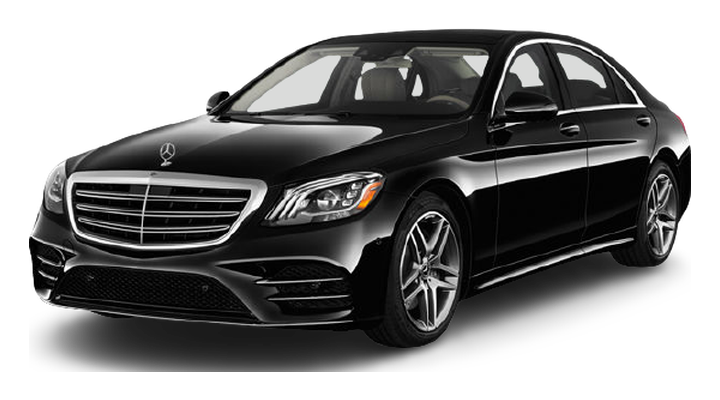 Mercedes-Benz S-Class
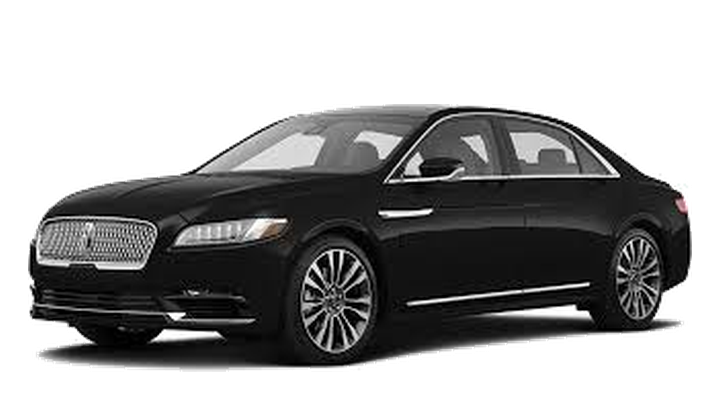 Premier Executive Sedan
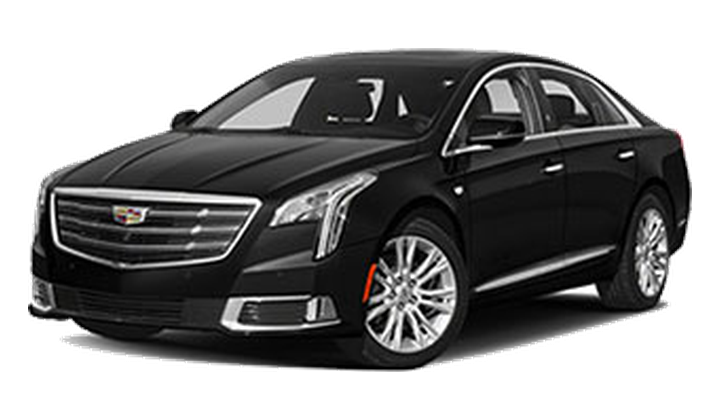 Executive Sedan
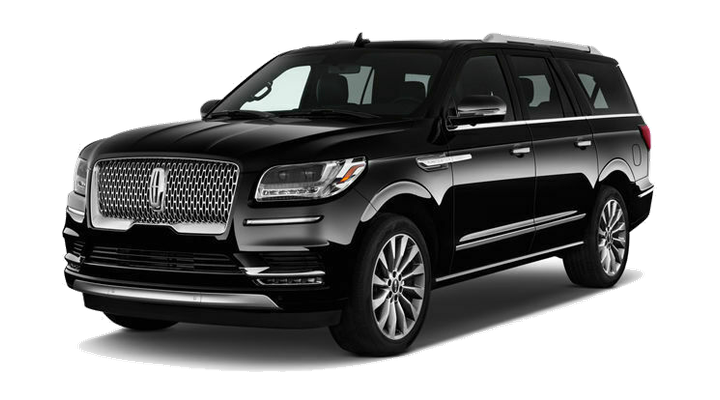 Premier Luxury SUV
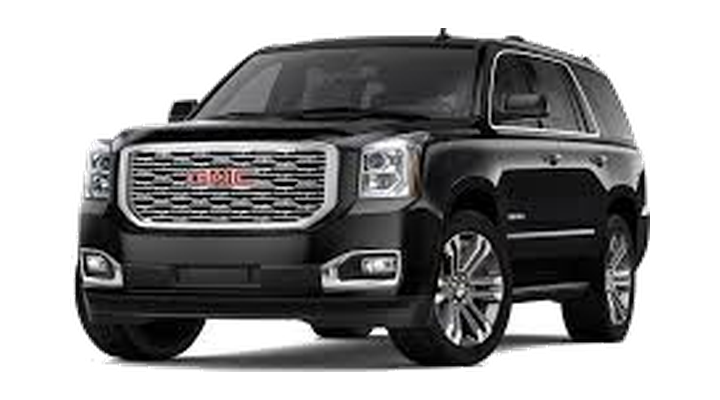 GMC Yukon XL / Suburban
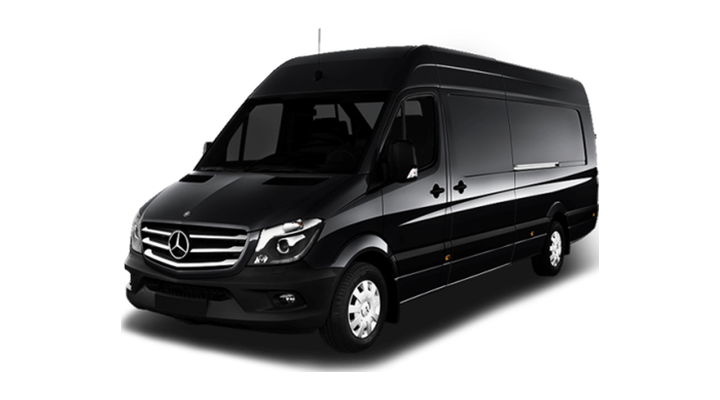 Mercedes-Benz Sprinter
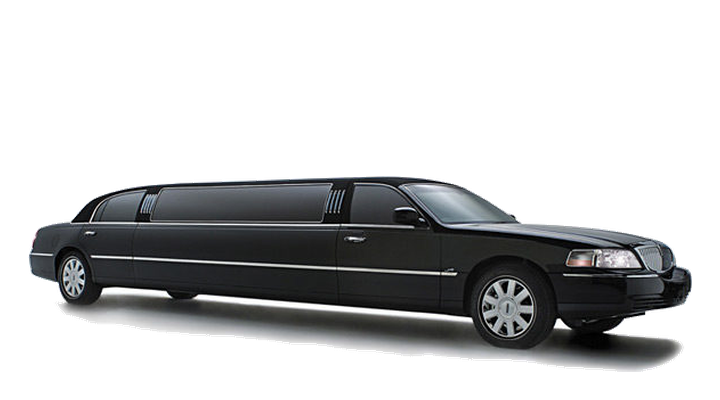 Stretch limousine