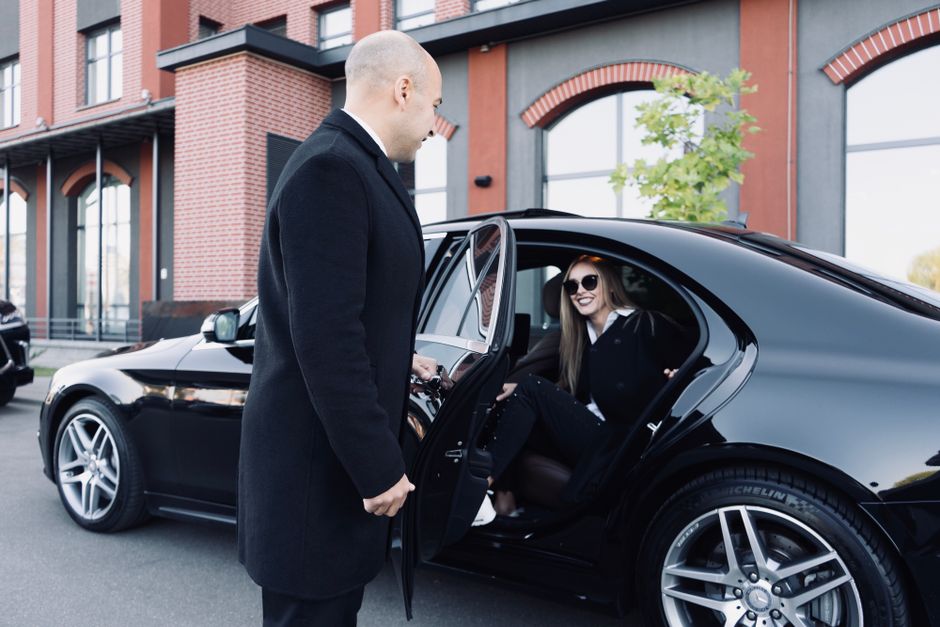
When does an armored car service make sense?
The honest answer is: when someone qualified has looked at the threat and said so. Typical triggers include destinations where government travel advice warns of kidnapping or armed robbery of vehicles, a specific threat against the principal, a high-profile political or commercial visit, or a period of civil unrest. Fame alone is not a reason; most celebrity risk is photographers and crowds, which armor does nothing to solve.
If your security adviser recommends it, you can request an armored car service through our Privacy Protocol desk. We source vehicles from specialist operators, confirm the protection level in writing, and pair them with trained drivers. If no adviser is involved, we will usually suggest starting with the UK government's foreign travel advice or your own country's equivalent before committing.
What do protection levels like B6 or VR7 mean?
Ratings describe what the glass and body are tested to resist. You will usually see two families. "B" levels come from the European glazing standard EN 1063, and the number rises with the power of the ammunition tested. "VR" levels come from VPAM, an association of European testing laboratories whose vehicle guideline rates the whole car rather than just the windows.
For civilian chauffeur work, requests mostly sit in the middle of those scales, but the right level is a decision for your security adviser, not for us or for a sales brochure. What we insist on is paperwork: the certificate, the testing body, and confirmation that the vehicle in front of you is the vehicle that was certified.
How does armor change the way a car drives?
Armor adds a great deal of weight, and weight changes everything. Braking distances lengthen, the car leans more in bends, and tires wear faster. Builders compensate with uprated brakes and suspension and run-flat inserts, but the physics remain. Doors are heavy enough to injure a hand, and windows may open only a few centimeters or not at all.
Passengers notice too. The cabin is quieter, the ride firmer, and climate control works harder because glass is thick. We brief principals on these points before the first ride so nothing feels alarming.
Who should drive an armored vehicle?
Only a driver trained on heavy protected vehicles, ideally on that model. A first-class chauffeur who has never handled an armored SUV will brake too late on the first roundabout. We assign drivers with specific protected-vehicle training and, where a close-protection team is engaged, the driver works to the team leader's plan. Our guide to working with a close-protection team explains that relationship.
Our chauffeurs are unarmed. Armed protection, where lawful at all, is the business of licensed security firms operating under local law, never of the car service.
Does an armored car look like an armored car?
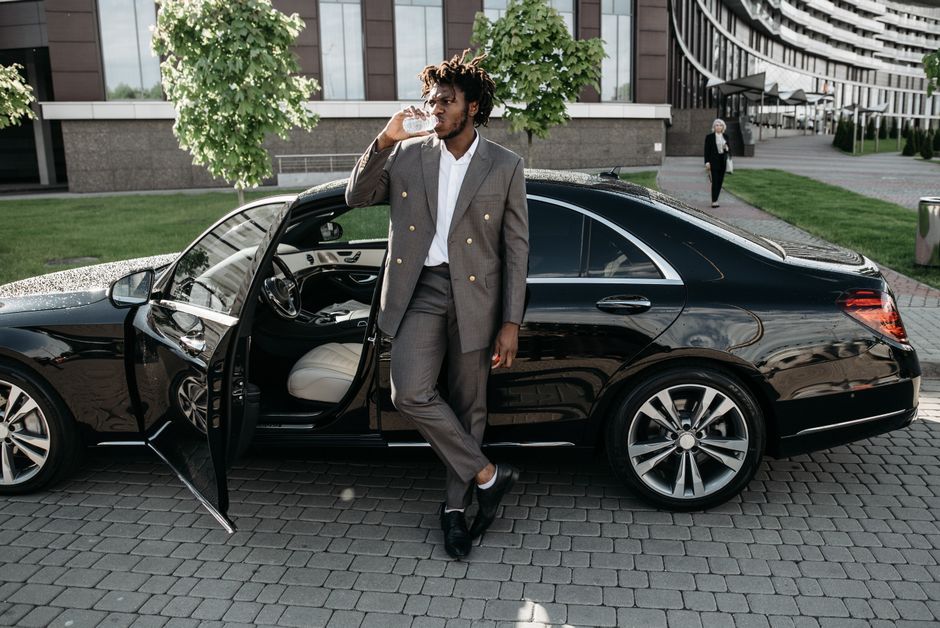
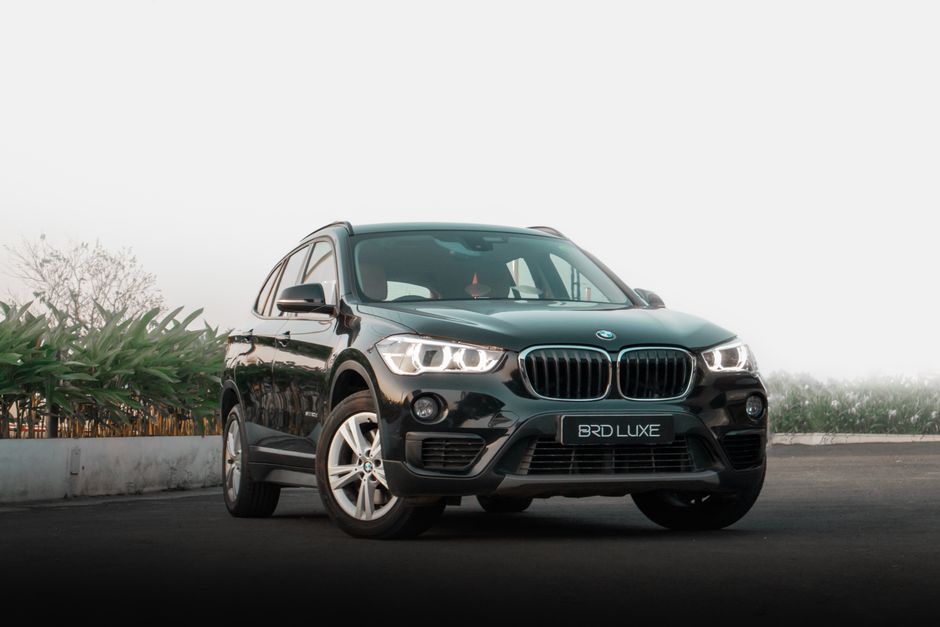
The good ones do not. Most protected vehicles used in chauffeur work are built on familiar models such as large executive saloons and full-size SUVs, and look almost identical to the standard version. That low profile is part of the protection: a convoy of obviously armored vehicles announces that someone worth protecting is inside.
Where a lower profile is the real objective, a standard vehicle with a well-planned route and a second car can be the better answer. Our note on decoy departures and second vehicles covers that approach.
How far ahead should you book?
As far as you can. Each city has a limited pool of certified vehicles, and they are often committed to embassies, corporate security programs and long-term contracts. A few days is sometimes possible in major hubs; a week or more is safer, and cross-border moves need longer because some countries require import or transit paperwork for protected vehicles. We will tell you plainly if a level cannot be sourced in time rather than substitute something lesser.
Armored, soft-skin or neither: how do the options compare?
| Option | Best for | Trade-offs |
|---|---|---|
| Certified armored vehicle | Assessed threat of attack on the road | Scarce, heavy, needs trained driver, longer lead time |
| Standard vehicle plus close protection | Crowds, stalkers, intrusive media | No ballistic protection; relies on planning |
| Standard vehicle with security-aware chauffeur | Most VIP, executive and family travel | Lowest profile; widest choice from the fleet |
What legal and insurance points apply?
Riding in an armored car is lawful in most countries, but ownership, registration and import rules vary, and some governments restrict higher protection levels. Insurance also differs: not every policy covers protected vehicles for hire. We only work with operators who hold the correct permits and cover, and we confirm both in writing. Nothing about the service involves weapons, false plates, or any attempt to avoid lawful police checks; protected vehicles stop at checkpoints like any other.
What happens on the day?
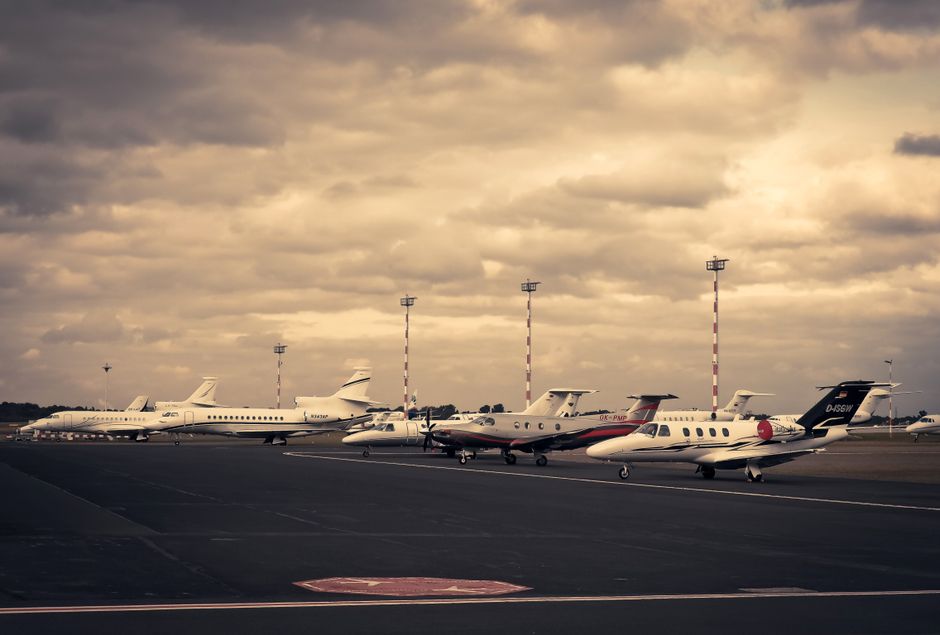
Planning does most of the work. Before the first movement we agree primary and alternate routes, identify safe havens such as hospitals and police stations along them, and avoid repeating the same times and roads. The car is fueled, checked and staged away from the pick-up point until called. If your flight lands at a private terminal, we coordinate with the handler through our FBO and private jet transfer team.
To start, send a request or brief the Travel Desk with your adviser copied in. A flat fare is quoted before you confirm.
Frequently asked questions
Is it legal to hire an armored car with a chauffeur?
In most countries yes, provided the operator holds the right registration, permits and insurance. Some states restrict higher protection levels or require import paperwork, which is why we verify documents before any booking is confirmed.
Which protection level do I need?
That is a decision for a qualified security adviser based on the threat, not a menu choice. We source the level they specify and provide the certificate and testing details so it can be checked.
Are MoovLimo chauffeurs armed?
No. Our chauffeurs are unarmed professional drivers. Where armed protection is lawful and required, it is provided by a licensed security company working to local law, and our driver coordinates with that team.
Will people notice the car is armored?
Usually not. Most protected vehicles are built on common executive models and look close to standard. Keeping a low profile is itself a protective measure. We also avoid escorts or styling that would mark the vehicle out.
How much notice do you need?
Ideally a week or more, especially for cross-border trips. Major cities can sometimes supply within days, but certified vehicles are scarce and we will not substitute a lower level without telling you.
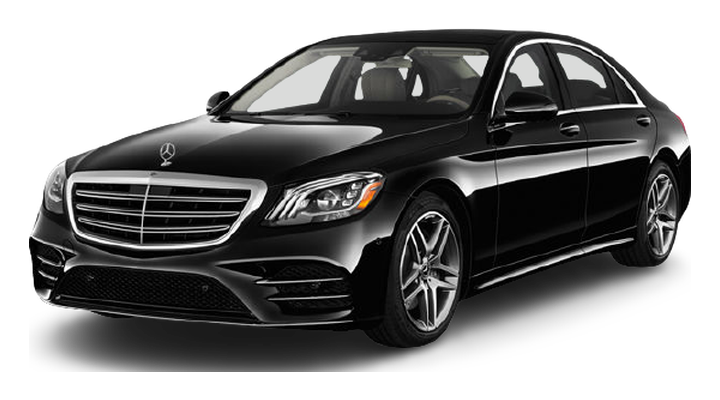 Mercedes-Benz S-Class
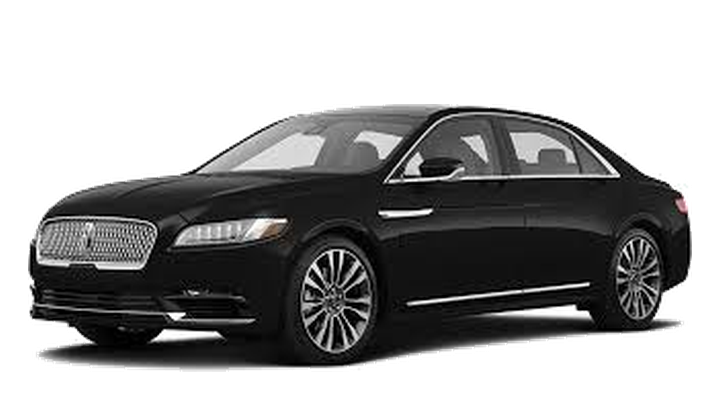 Premier Executive Sedan
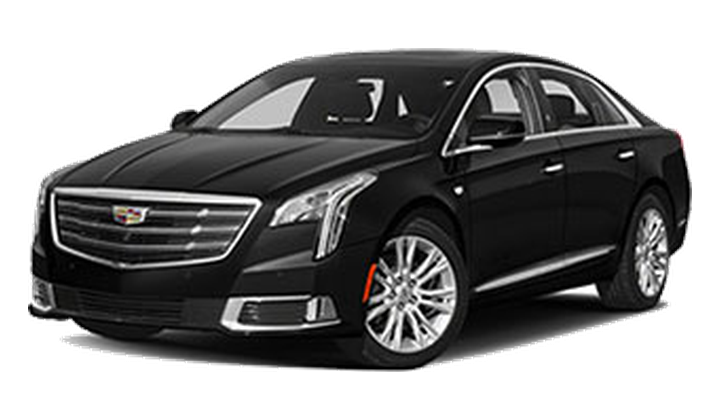 Executive Sedan
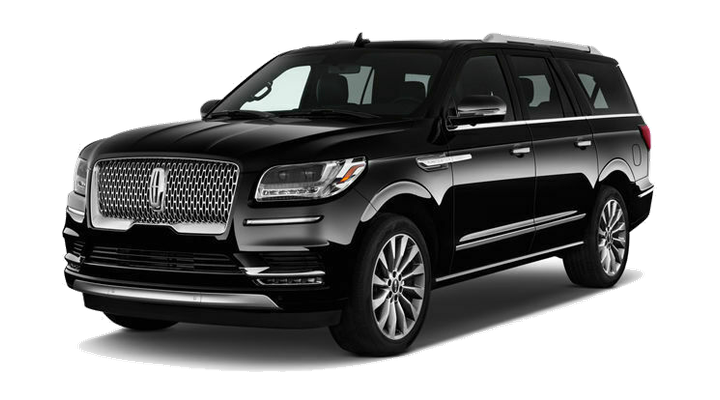 Premier Luxury SUV
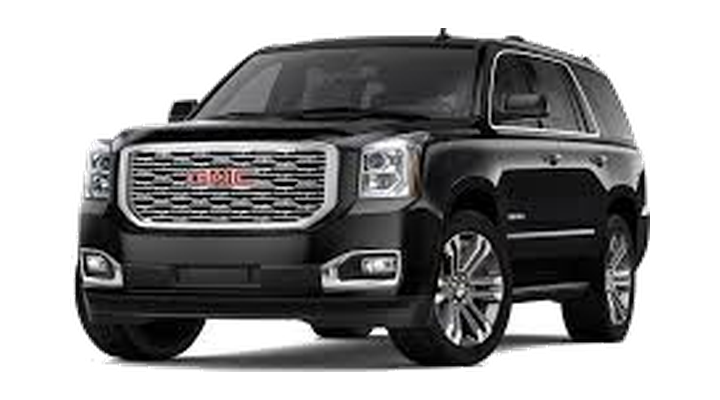 GMC Yukon XL / Suburban
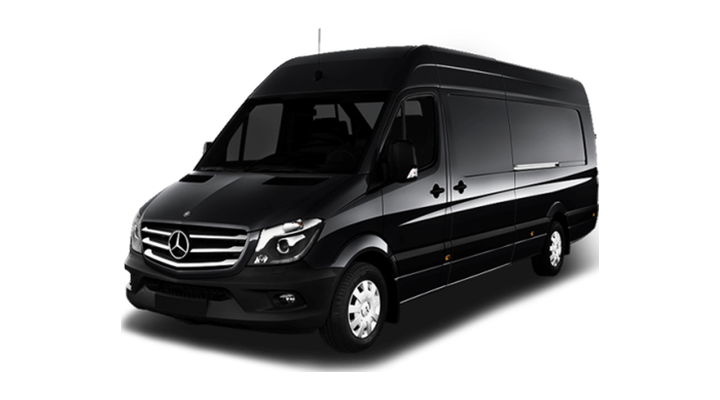 Mercedes-Benz Sprinter
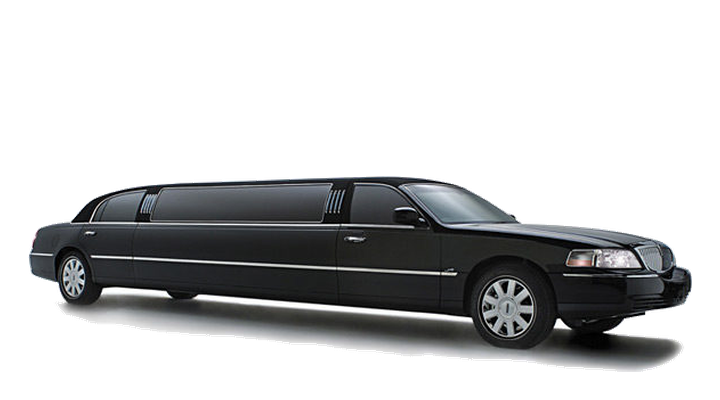 Stretch limousine