What does a chauffeur NDA actually cover?
At its simplest, a chauffeur NDA defines a category of information and forbids the chauffeur company and its people from disclosing it. For a private client that category is broad: your identity, your guests, addresses you visit, the times you move, anything said or read in the car, and anything a chauffeur glimpses on a phone screen or a document left on the seat.
Most of our clients never need to draft one from scratch. When you book a chauffeur under our written Privacy Protocol, a mutual confidentiality agreement is part of the account set-up, and your own counsel can replace it with the family office or studio template if you prefer. Either way, the agreement should name the operator as a company, not just an individual driver, so obligations follow the work wherever it is dispatched.
Who should sign it: the company, the chauffeur, or both?
Both, and usually more people than you expect. The company signs because it holds your booking data, invoices and dispatch notes. Each chauffeur assigned to you signs an individual undertaking, because they are the ones in the car. Dispatchers and account managers who see your itinerary should be bound by their employment terms at minimum.
The weak point in many services is the affiliate. When a company subcontracts a city it does not cover, ask whether the local operator is bound by the same terms in writing. We flow our confidentiality obligations down to every partner we dispatch in our 56 countries, and we tell you in advance when a trip is being driven by an affiliate rather than our own team.
Which clauses matter most in practice?
Long NDAs are not better NDAs. These are the clauses that do the work:
- Definition of confidential information, wide enough to include observations, not just documents.
- No photography, recording or social media involving the client, the vehicle at client addresses, or guests.
- No third-party disclosure, including to other clients, press, or friends, with no exception for information that seems harmless.
- Data handling: what booking data is kept, for how long, and who can see it.
- Return or deletion of itineraries and guest lists at the end of an engagement.
- Survival: the duty continues after the work ends.
- Governing law and remedies, so a breach can actually be enforced where the operator is based.
What can an NDA not do?
An NDA is a private contract, so it sits below the law, not above it. It cannot stop a chauffeur from answering a lawful request from police, a court order, or a regulator. In many jurisdictions it cannot prevent someone from reporting a crime or raising a genuine safety concern, and a clause that tries to will often be unenforceable.
It also cannot turn an unsafe instruction into an acceptable one. A chauffeur under NDA will still obey traffic law, refuse to drive impaired or overtired, and stop the car if a passenger is in danger. Good clients want exactly that; the agreement protects privacy, not conduct.
How does data protection law fit alongside an NDA?
Booking details are personal data, and in the UK, the EU and Canada that brings statutory duties that apply whether or not you have signed anything. Regulators such as the Office of the Privacy Commissioner of Canada expect companies to collect only what they need, protect it, and keep it no longer than necessary.
That is why our Privacy Protocol starts with minimization. We do not need your passport number to drive you from a hangar to a hotel, so we do not ask for it. Itineraries sit in a restricted dispatch view, chauffeurs receive only the stops for their shift, and historic trip records are pared back on an agreed schedule.
Is a standard NDA enough for a celebrity or a family office?
Often it is a sound starting point, then tailored. Talent clients usually add specific restrictions around set locations, wardrobe and co-stars. Family offices care about children's schools, residences and staff. Executives may need clauses about deal names overheard on calls.
The NDA also pairs well with other tools. Many clients book under a code name, which we explain in our guide to alias bookings, and some ask us to answer a formal questionnaire first; our list of questions to ask a chauffeur company is a fair template for that.
What does a confidentiality-first day look like?
Paper only matters if habits match it. On a protected account, a typical day runs like this:
| Habit | Why it matters |
|---|---|
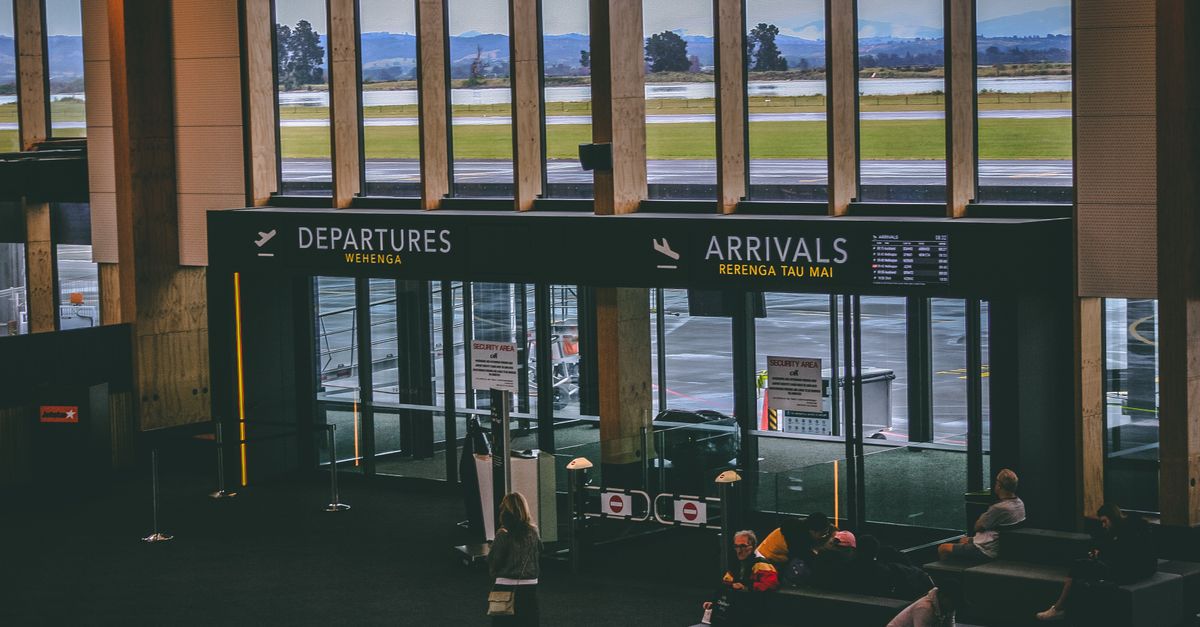
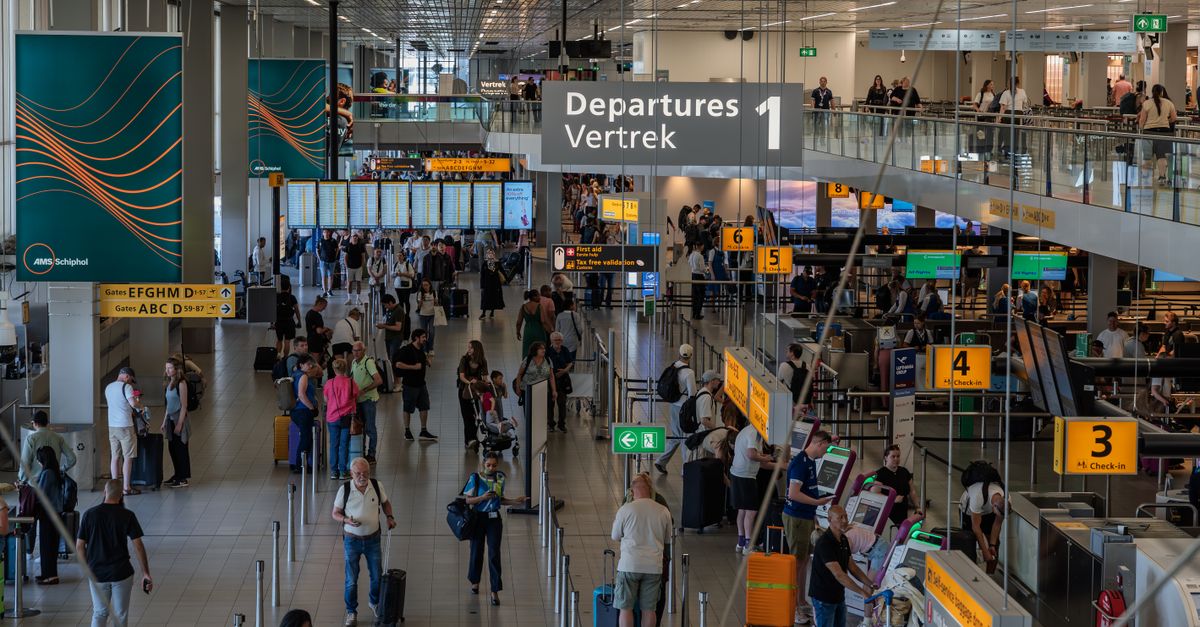
| Name board shows a code word, or no board at all | Arrivals halls are full of phones |
| Printed itineraries stay off the dashboard | Windows and valets see more than you think |
| Dash cameras record the road, not the cabin | No interior footage exists to leak |
| Chauffeur phone mounted for navigation only | No calls or messages mid-journey |
| Vehicle unbranded, no livery or stickers | The car tells nobody who is inside |
How long should confidentiality last?
For personal information, indefinitely is reasonable and common. A chauffeur who drove a family a decade ago should still not be describing their house. For commercially sensitive information, such as a pending acquisition overheard in the back seat, the duty should at least last until the information becomes public, and many agreements simply keep it open-ended.
What matters more than the number of years is whether the operator can prove the obligation still binds people who have left. Ask how former staff are reminded of their duties and whether access to old trip data is removed the day someone departs.
What should you ask before you sign?
- Is the agreement with the company, and does it bind every chauffeur and affiliate?
- Which data is collected, where it is stored, and when it is deleted?
- Are cabin-facing cameras fitted in any vehicle that might be sent?
- How is a suspected breach investigated and reported to you?
- Can your counsel substitute your own template?
When the answers are clear, reserve your first protected trip, or ask the Travel Desk to set up the account and match vehicles from the fleet to your household or production.
Frequently asked questions
Will MoovLimo sign our own NDA instead of yours?
Yes. Many family offices, studios and management companies prefer their own template, and our counsel reviews it promptly. We only ask that it reflects legal duties such as responding to court orders, which no private agreement can override.
Does every chauffeur sign individually?
Yes. Each chauffeur assigned to a protected account signs a personal confidentiality undertaking in addition to the company agreement. Affiliates in other cities are bound in writing before they drive any of our clients.
Can an NDA stop a chauffeur talking to the police?
No. A lawful request from police, a regulator or a court overrides a private contract, and clauses that try to block reporting of crimes are generally unenforceable. The NDA protects your privacy from the public and press, not from the law.
Is an NDA enough on its own?
Rarely. The agreement sets the rule, but privacy comes from habits: code-word name boards, unbranded cars, no cabin cameras, need-to-know itineraries and short data retention. We combine both under our written Privacy Protocol.
How quickly can an NDA be in place?
For straightforward accounts the same day. If your counsel wants changes, we usually agree terms within a few working days, and urgent trips can run under our standard mutual agreement in the meantime.
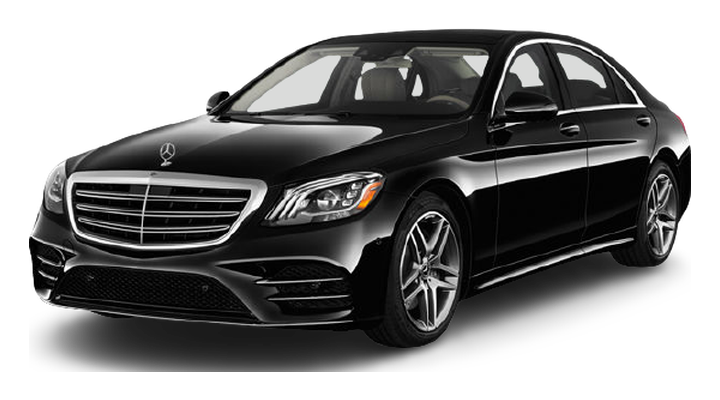 Mercedes-Benz S-Class
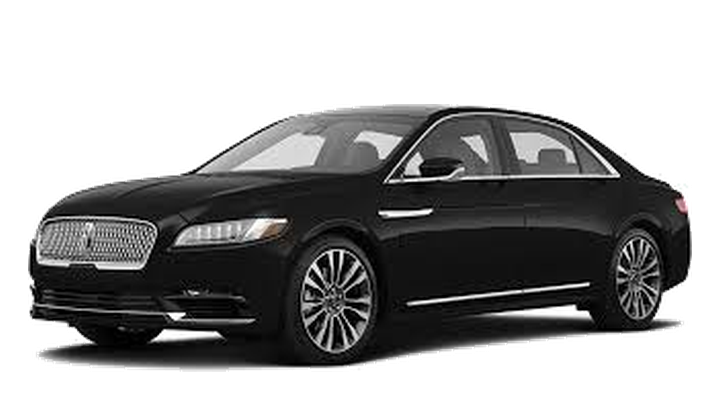 Premier Executive Sedan
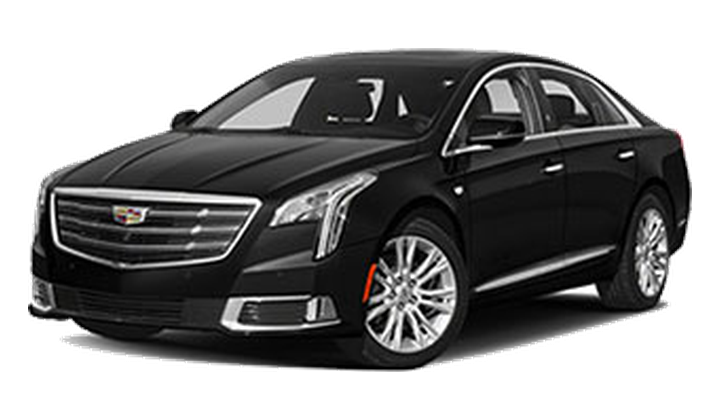 Executive Sedan
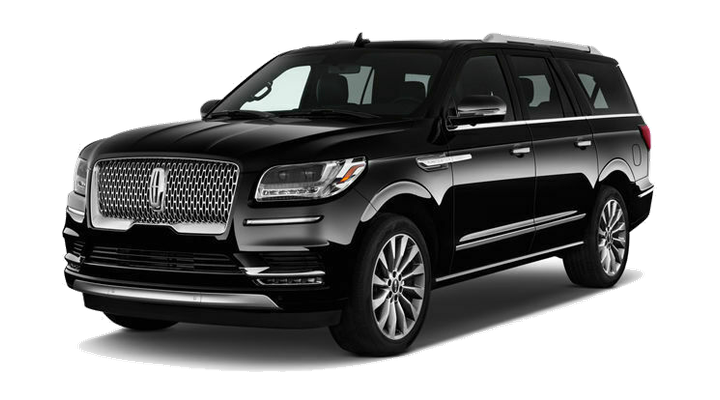 Premier Luxury SUV
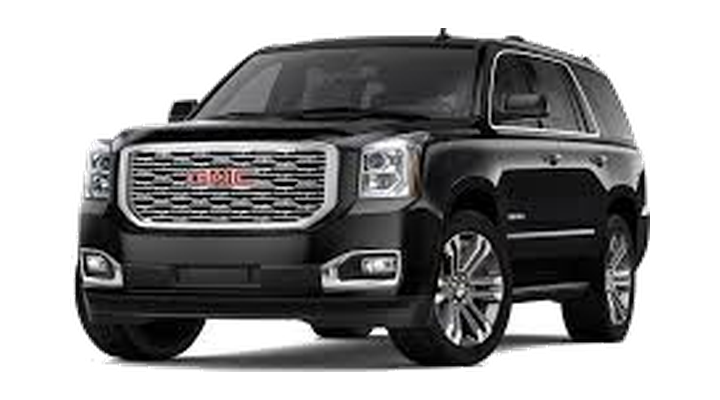 GMC Yukon XL / Suburban
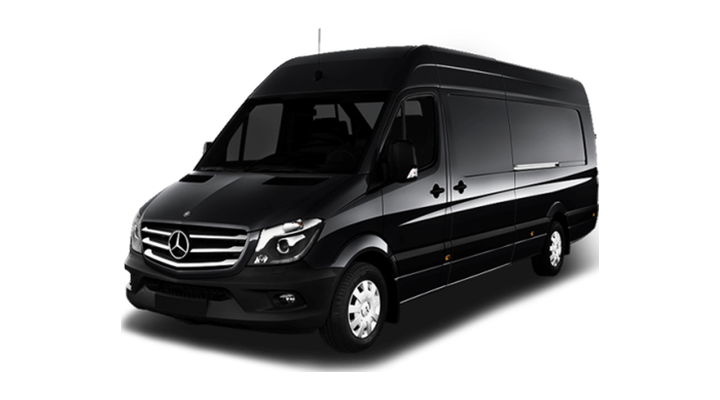 Mercedes-Benz Sprinter
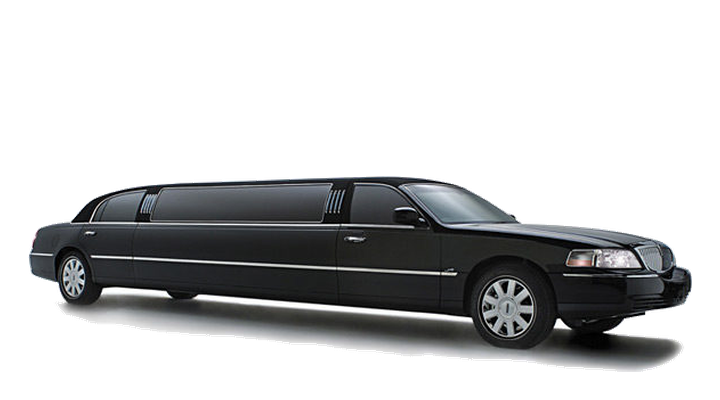 Stretch limousine