How does tour transportation planning start?
It starts with the routing, not the cars. Once the tour manager shares the itinerary, we map each city into the same building blocks: arrival airport or FBO, hotel, venue, soundcheck time, show time, curfew and departure. That turns thirty different cities into one repeatable pattern with local exceptions.
Management usually books world tour ground transport through our tour desk as a single contract, and individual legs or added cities can be reserved separately.
What does a typical show day look like on the ground?
| Time | Movement | Vehicles |
|---|---|---|
| 12:00 | Band to venue for soundcheck | Executive Sprinter |
| 15:30 | Artist to soundcheck | Artist car plus security car |
| 17:00 | Return to hotel, or stay at venue | Depends on the artist’s routine |
| 19:30 | Artist to venue for show | Artist car, route agreed with venue |
| 23:15 | Post-show exit to hotel or airport | Cars staged at the loading dock |
Times are illustrative; every artist’s day is different, but the shape repeats.
How do airport and FBO legs work on tour?
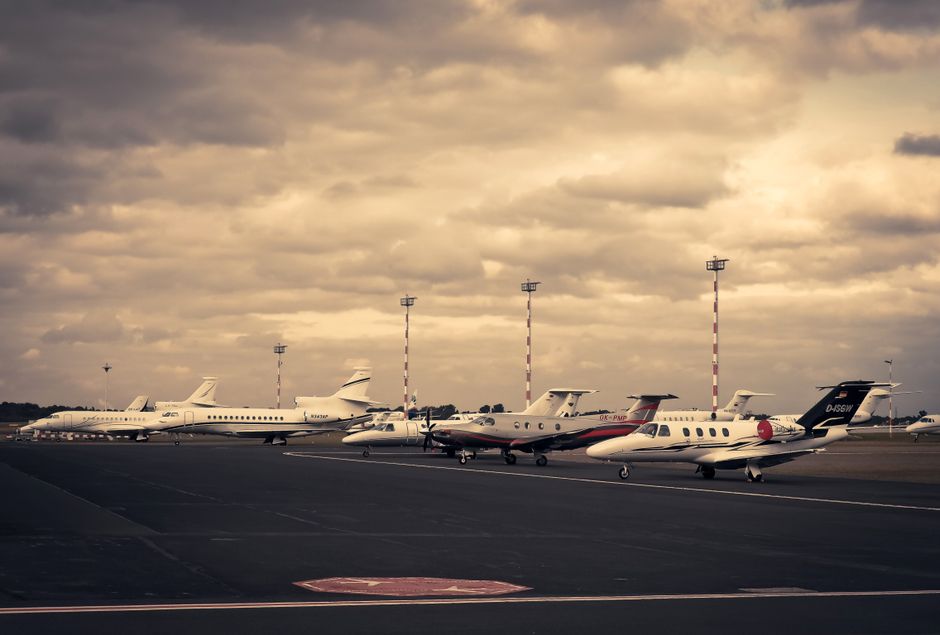
Artists who fly privately between cities land at FBOs, where the car can often meet the aircraft or wait at the terminal door, depending on the airport’s rules. Band and crew may fly commercially or travel by bus. Our private jet transfer team handles the FBO side, and our guide to customs and car timing explains how international arrivals are paced.
Why is advance work so important?
For every city we confirm in advance: the venue’s artist entrance and loading dock, where cars may wait, the hotel’s garage or service entrance, local traffic patterns on show night, and any event that might close roads. Local chauffeurs who know the city are briefed with the tour’s master profile so the artist meets the same standard in Madrid as in Chicago.
How do driver hours affect a touring schedule?
Tours run late and start early. In the EU and UK, drivers of vehicles with more than nine seats fall under drivers’ hours and tachograph rules; in the United States, hours-of-service rules cover commercial passenger vehicles. Even where sedans and SUVs are outside those rules, we apply rest limits to every chauffeur, which usually means a fresh driver for the overnight run to the next city or the early airport leg.
Which vehicles does a tour need in each city?
- Artist car: a luxury SUV or sedan, sometimes with a matching security car.
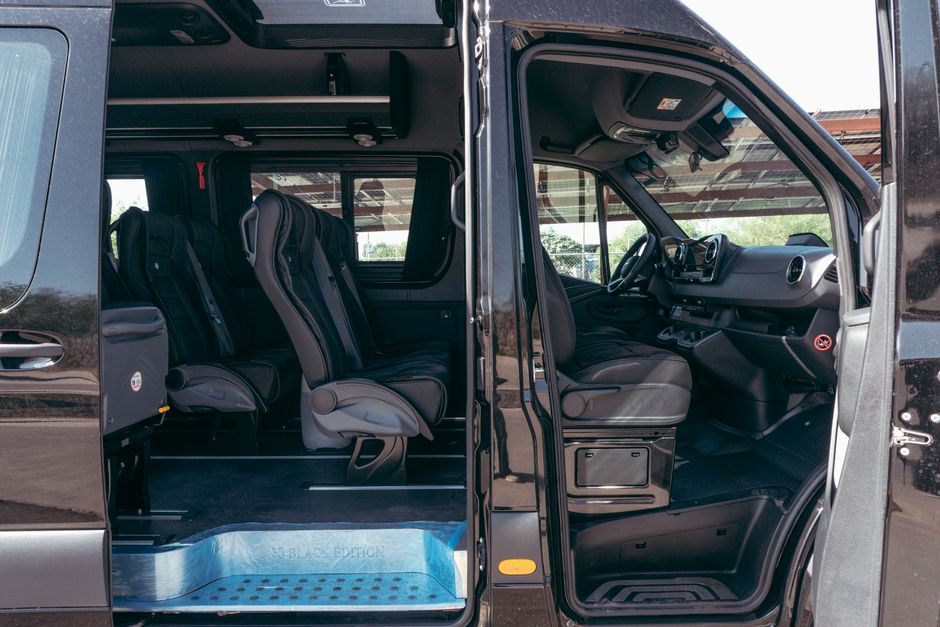
- Band vehicle: an executive Sprinter; see our band and crew Sprinter guide.
- Management and guest cars: sedans for promoters, label staff and VIP guests.
- Luggage or wardrobe van: for airport days and costume-heavy shows.
Our fleet overview shows what we place in each market.
How is the artist’s privacy protected across countries?
Every chauffeur in every city signs the same NDA and works to our written privacy protocol. Hotels are booked under aliases, chauffeurs are told only what they need, and hotel and venue exits are planned to avoid fans and photographers. Our stage-door exit guide sets out the nightly routine.
How does the tour desk handle changes mid-tour?
Tours change: a show is added, a flight moves, a city is rerouted by weather. Our travel desk keeps a live itinerary with the tour manager and reconfirms each city a few days out, then again on the morning of arrival. One point of contact for the tour avoids the risk of thirty local operators each holding a different version of the schedule.
How are travel days and days off handled?
Travel days are the riskiest days of a tour for ground transport: early lobby calls, luggage for the whole party, airport queues and arrivals in a new city with no soundcheck to anchor the timing. We run them with a luggage van leaving ahead of the passenger vehicles, a chauffeur at the arrival FBO or terminal before the aircraft lands and a fresh driver for any long road leg.
Days off are the opposite: unstructured, often private, and frequently the day an artist wants to see a city without being seen. An hourly car with a discreet local chauffeur, briefed on the artist’s preferences, gives freedom without a public trail. We never assume a day off means no car is needed.
What should the tour manager send us?
- Full routing with venues, hotels and travel modes.
- Day sheets as they are issued.
- Party lists for each movement: artist, band, crew, management, guests.
- Security contacts and any close-protection requirements.
- The transport section of the artist rider; our guide to writing that section may help.
What goes wrong on tour, and how do we prevent it?
Local operators sending the wrong vehicle class. Cars waiting at the front of a venue while the artist exits at the dock. A tired chauffeur on the overnight drive. A schedule change that never reached a city further down the routing. One tour desk, one master profile, advance checks and enforced rest prevent most of it.
Frequently asked questions
Can one company handle tour transportation in every city?
Yes. Our tour desk coordinates chauffeurs across our 56 countries under one contract, one master profile for the artist and one point of contact for the tour manager.
Do you handle private jet arrivals on tour?
Yes. We meet aircraft at FBOs where the airport permits and time the car to customs and handling, then move the artist to the hotel or straight to the venue.
How do you manage driver fatigue on long tours?
We apply rest limits to every chauffeur, follow drivers’ hours rules where they apply and plan fresh drivers for overnight transfers and early airport runs.
Can you supply vehicles for band and crew as well as the artist?
Yes. Executive Sprinters for band and crew, sedans for management and guests, and luggage or wardrobe vans for airport days.
How is a tour priced?
We quote a flat package for the routing before you confirm, built city by city from the vehicles and hours required. Added shows or changes are quoted and agreed as they happen.
How far ahead should tour transportation be booked?
As soon as the routing is confirmed. Stadium cities and festival weekends book up early, and advance work for each venue takes time. Cities added later can be slotted into the same plan.
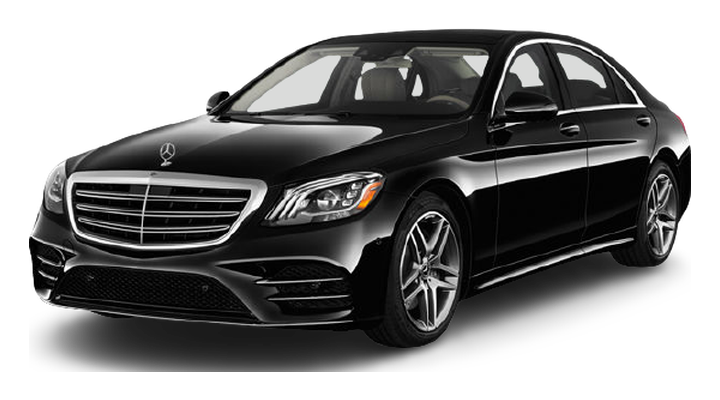 Mercedes-Benz S-Class
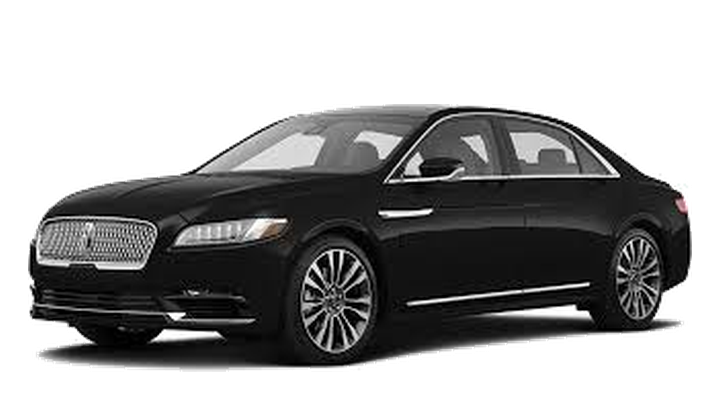 Premier Executive Sedan
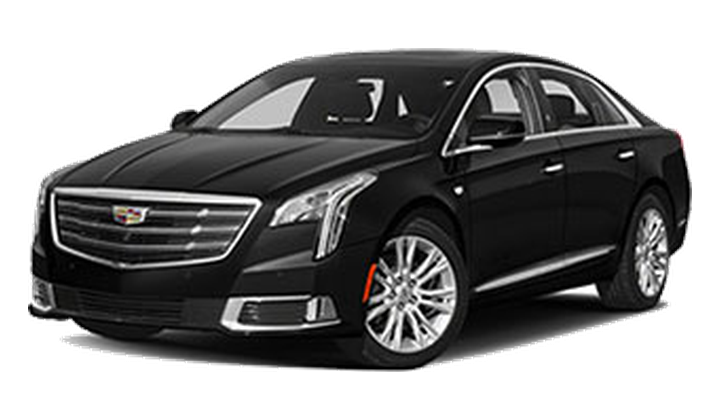 Executive Sedan
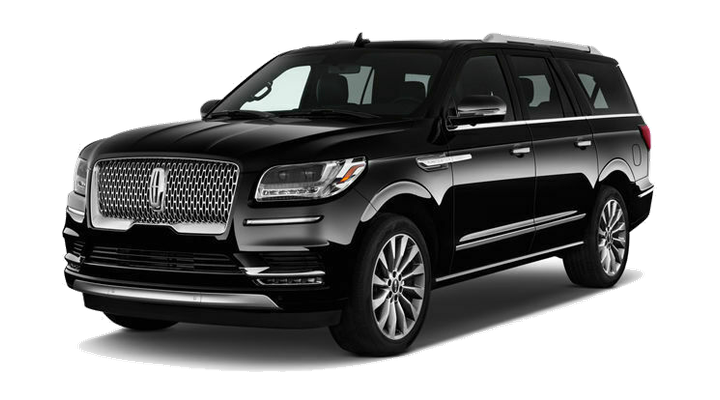 Premier Luxury SUV
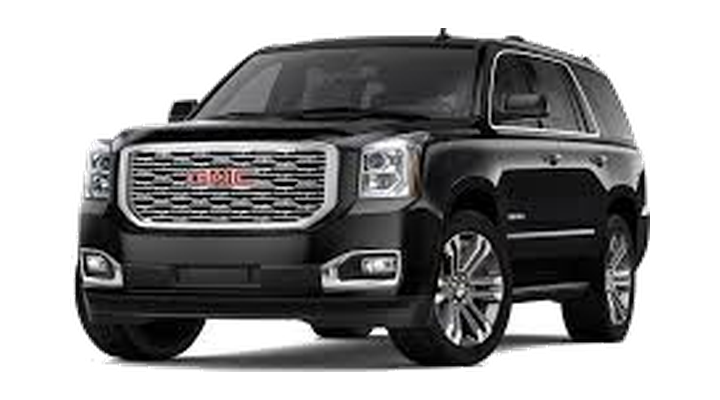 GMC Yukon XL / Suburban
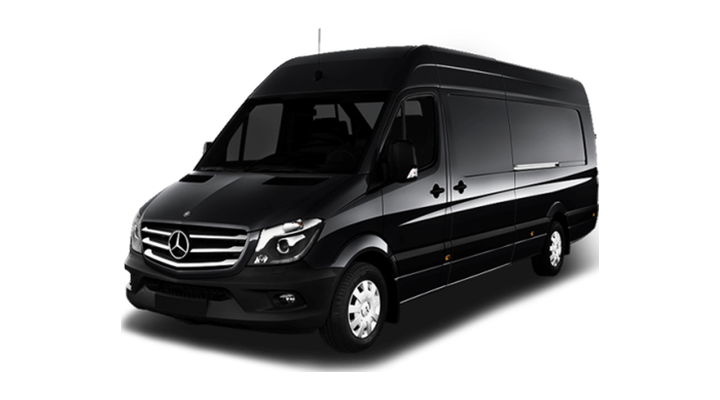 Mercedes-Benz Sprinter
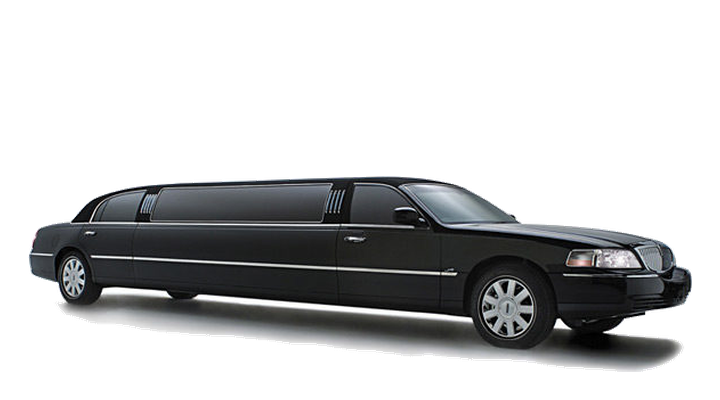 Stretch limousine