What does good band transportation look like on a show day?
The band moves as a unit but not always with the artist. A typical show day has a lobby call for soundcheck, a return to the hotel or a stay at the venue, the evening run to the show and the late return. Each run needs the right number of seats, room for personal bags and a driver who knows the venue’s loading dock.
Tour managers can book band and crew transportation for the whole routing, and single cities or added shows can be reserved separately.
How many people fit in a Sprinter, really?
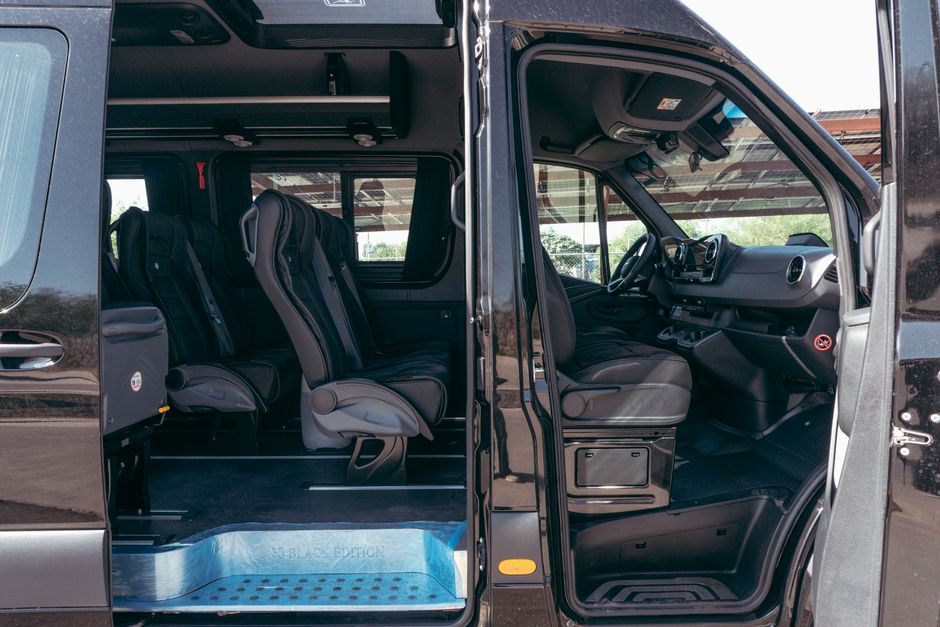
Executive Sprinters vary by build, commonly from about eight to fourteen passenger seats. The real limit is luggage and comfort, not the seat count. For a band of five with a tour manager and two techs, a twelve-seat executive Sprinter with a rear luggage area is comfortable for city runs. For airport days with suitcases and guitars, add a luggage van or a trailer where local rules allow.
Sprinter, SUVs or a coach?
| Option | Strength | Limitation |
|---|---|---|
| Executive Sprinter | Keeps band together, one driver, easy loading | Everyone leaves at the same time |
| Two or three SUVs | Flexible exits, more privacy | More drivers, more vehicles at the dock |
| Tour bus or coach | Overnight travel between cities | Not suited to city hotel runs |
Our Escalade versus Sprinter comparison goes deeper on the trade-offs.
Where does gear go?
Backline and production equipment travel in the trucks with the crew; the Sprinter carries people and personal items. That said, musicians often keep a guitar, in-ear monitors or a laptop with them, so the rear area is kept clear for soft cases and backpacks. Fragile instruments travel upright and strapped. We agree with the tour manager what rides in the Sprinter before the first city.
Which licensing and driver-hours rules apply?
A passenger vehicle with more than eight passenger seats generally needs a bus or minibus license category in the UK and EU, and vehicles with more than nine seats including the driver fall under drivers’ hours and tachograph rules: in broad terms, nine hours’ driving a day, extendable to ten twice a week, and a 45-minute break after four and a half hours. In the United States, passenger vehicles operated for compensation above certain seat counts are commercial vehicles subject to hours-of-service rules. Our drivers hold the right licenses for the vehicle, and dispatch tracks their hours.
How should show-day runs be timed?
- Lobby call set from soundcheck time minus drive time minus ten minutes.
- Head count in the lobby; the Sprinter leaves on time, and stragglers follow in a car.
- Venue arrival at the loading dock or artist entrance agreed with production.
- Show run timed from the band’s call, not doors.
- Return either a runner after the set or a later run after the after-show.
What makes a Sprinter comfortable for long days?
- Climate control that reaches the rear rows.
- USB or power outlets at each seat.
- Water, towels and a small cooler.
- Clean interior every morning; no lingering food smells.
- A quiet driver who does not chat unless the band wants to.
Our fleet page describes the executive Sprinter interiors we place.
How do airport days work for the band?
Airport days are the heaviest. We send the luggage van first, the band Sprinter second, and time arrival at the terminal or FBO to the airline or handler’s cut-off. At the destination, the local Sprinter is waiting before the band clears arrivals. The private jet desk handles FBO arrivals when the band flies with the artist.
How is privacy handled for band members?
Band members are often recognizable too, and fans learn which vehicle is the band van. We use plain, unbranded Sprinters, garage entrances at hotels and loading docks at venues. Drivers sign NDAs and follow our privacy protocol, and nothing about the tour is posted or shared.
How does the Sprinter plan fit the wider tour?
The band vehicle is one layer of a larger plan that includes the artist car, management cars, guest cars and travel days. Our world tour transportation guide explains how the layers fit, and our travel desk keeps one live itinerary for every city.
What goes wrong with band vans on tour?
A Sprinter too small for airport-day luggage. One late band member holding up the whole run. A driver who has hit their hours limit before the after-show. A van that waits at the front of the venue while the band walks out at the dock. Each is solved with a luggage plan, a strict lobby call with a backup car, tracked driver hours and the dock confirmed at advance.
Frequently asked questions
How many band members fit in an executive Sprinter?
Executive Sprinters commonly seat about eight to fourteen passengers depending on the build. For comfort and luggage, we usually plan fewer passengers than the maximum seat count.
Does a band Sprinter carry instruments?
Backline usually travels in the production trucks. The Sprinter carries people, personal bags and a few soft-cased instruments or in-ear monitors the musicians keep with them.
Do Sprinter drivers need a special license?
In the UK and EU, a passenger vehicle with more than eight passenger seats generally requires a minibus or bus license category. Our drivers hold the license required for each vehicle.
How do you manage driver hours on tour?
Dispatch tracks every driver’s hours, follows drivers’ hours rules where they apply and schedules fresh drivers for long days or overnight transfers.
Should the band ride with the artist?
Often not. The artist may need a runner exit or a private car, while the band leaves together. Separate vehicles keep each schedule independent.
How is band transportation priced?
We quote a flat package per city or for the full routing before you confirm, built from the vehicles, hours and airport legs required.
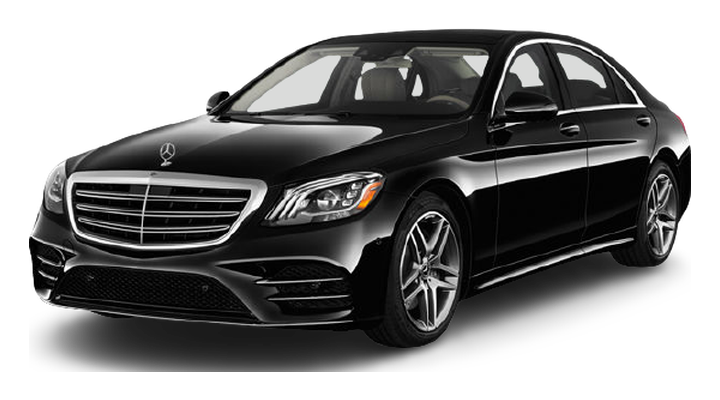 Mercedes-Benz S-Class
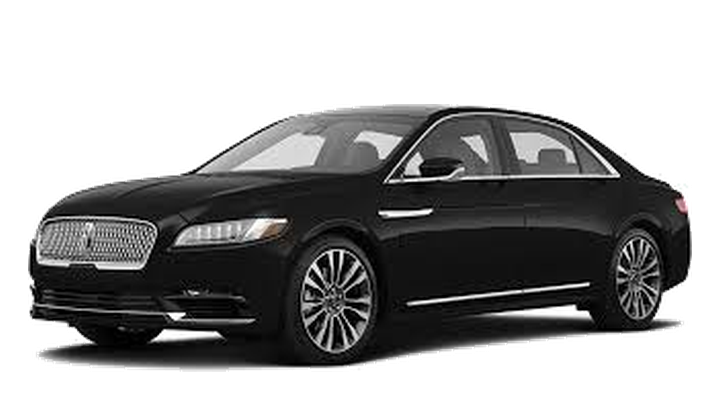 Premier Executive Sedan
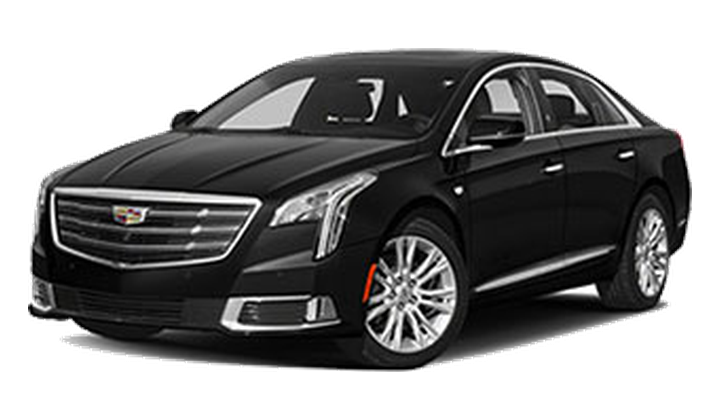 Executive Sedan
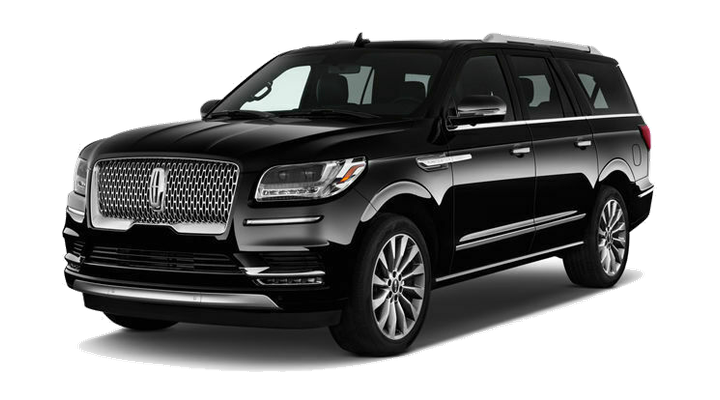 Premier Luxury SUV
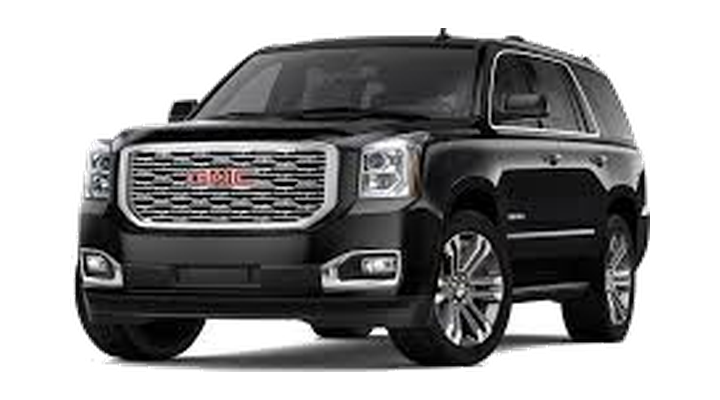 GMC Yukon XL / Suburban
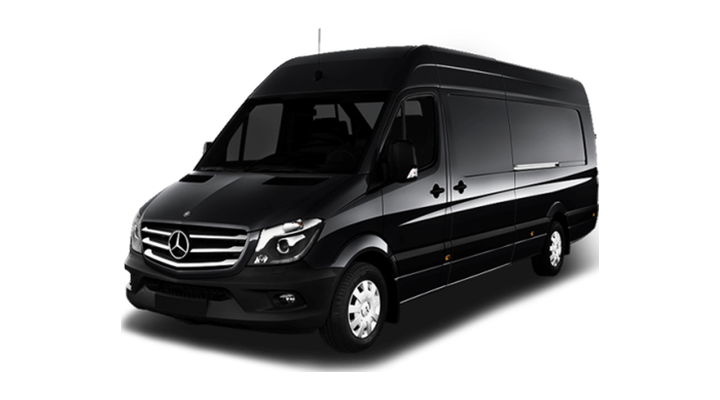 Mercedes-Benz Sprinter
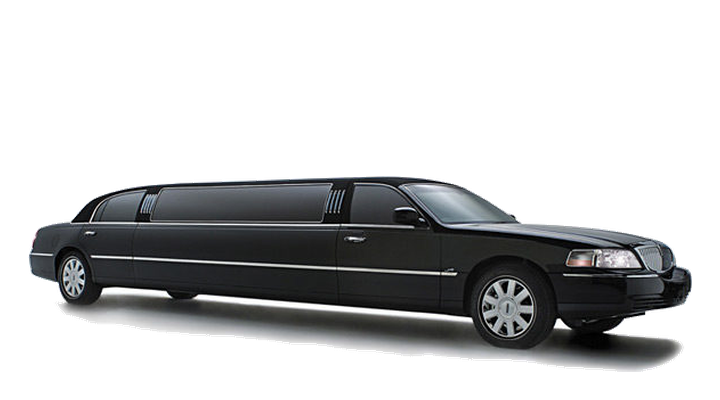 Stretch limousine