How does private jet customs clearance actually work?
Before departure, the operator sends passenger and crew details to the destination’s border agency. On landing, the aircraft taxis to an FBO or designated stand, and officers inspect passports, declarations and sometimes baggage. Only then are passengers legally admitted and free to leave the airport.
From a chauffeur’s point of view, landing time is just the start of a short countdown. When you reserve a private jet chauffeur with us, our dispatcher tracks the tail number, then waits for the FBO to confirm release before the car moves to the door or, where allowed, the aircraft.
What does the United States require?
Flights arriving from abroad submit an advance manifest through U.S. Customs and Border Protection’s eAPIS system and must land where CBP can clear them, typically an airport of entry or one granted landing rights. At many FBOs officers meet the aircraft or use a dedicated inspection room, and agricultural rules on food, plants and pets apply in full.
Busy business-aviation airports such as Teterboro or Van Nuys see steady international traffic, so officers may be processing several jets at once. That is the main reason clearance times vary.
What about the UK, Canada and Europe?
| Jurisdiction | Advance notice | What our chauffeur expects |
|---|---|---|
| United Kingdom | General Aviation Report filed with Border Force | Officers may attend or clear remotely; car waits at FBO door |
| Canada | Notice to CBSA; CANPASS members may use a streamlined process | Clearance can be quick for enrolled travelers |
| Schengen states | Border check when arriving from outside Schengen | Police or customs inspect at the FBO; car on standby |
| Within Schengen | Usually no passport control | Car can often move at engine shutdown |
Rules change, so your operator’s confirmation always overrides general patterns like these. At Farnborough and Le Bourget we see each model regularly.
When should the car be in position?
Our standard is to have the chauffeur at the FBO at least 30 minutes before the latest estimated landing time, with the vehicle cooled or warmed and luggage space clear. Flight tracking lets the dispatcher adjust for tailwinds and holding patterns.
The car then stays landside until one of three signals: the FBO calls release, the crew messages that passengers are through, or an officer clears the aircraft for planeside collection. Only the third allows a ramp approach, and only where the FBO permits it. Our article on tarmac pickup rules explains why.
What slows clearance down?
- Several international jets landing within the same window.
- Officers needing to travel to the FBO from another terminal.
- Passengers missing from the manifest, or names that do not match passports.
- Undeclared food, plants, large sums of cash or restricted goods.
- Pets without the right documents for the destination.
- Arrivals outside officer hours, which may require prior arrangement.
Traveling with animals has its own checklist; see luxury transfers with pets.
How do domestic and international arrivals compare?
A domestic arrival is almost always faster: engines stop, the airstair drops and, if the FBO allows, the car is already alongside. International arrivals add the inspection step, which may be over in minutes at a quiet airfield or take considerably longer at a busy one.
We therefore plan the onward schedule differently. After an international landing we avoid booking a meeting or dinner too tightly. A chauffeur on hourly service rather than a fixed transfer absorbs the uncertainty without extra phone calls.
What should you have ready on board?
- Passports for everyone listed on the manifest, including children.
- Any visa or electronic travel authorization the destination requires.
- Completed declarations if the jurisdiction uses them.
- Pet health certificates and microchip records.
- A list of high-value items, such as jewelry for an event, if you may need to declare them.
Our Travel Desk sends a short checklist with every international private flight booking.
Can the chauffeur help with customs?
The chauffeur cannot enter the inspection area or speak for passengers, and should never try. What the chauffeur can do is make the minutes after release efficient: bags loaded straight from the FBO handler, water and phone chargers in the car, and the route already set for current traffic.
For a high-profile passenger we also agree in advance whether the FBO will bring them out through a side door, keeping them clear of other travelers. That arrangement is recorded under our Privacy Protocol.
How do frequent flyers simplify this?
Clients who fly often benefit from a stored profile: passenger names, preferred FBOs, vehicle choice and any trusted-traveler memberships their operator uses. With that on file, each new trip needs only a tail number and ETA. Card and fractional owners will find more in our guide to jet card ground transportation.
When the next flight is confirmed, book the car and we watch the clearance for you.
Frequently asked questions
How long does private jet customs take?
It varies with officer availability and how many aircraft land together. At a quiet FBO it can be very quick; at a busy airport it can take longer. We track release with the FBO rather than relying on landing time.
Where do officers inspect private jet passengers?
Either at the aircraft or in a dedicated inspection area inside the FBO, depending on the airport and the agency. Some UK flights can be cleared remotely after the General Aviation Report is reviewed.
Can my chauffeur wait at the plane before customs?
No. Until officers release passengers, the car waits landside or at the FBO door. Once cleared, a planeside approach may be possible if the FBO and airport allow it.
Do flights within Europe go through customs?
Flights between Schengen states usually skip passport control, though police can still check documents. Arrivals from outside the Schengen area, including the UK, face a full border check.
What documents should I carry on a private international flight?
Passports for all passengers, any required visas or travel authorizations, pet documents and declarations for restricted or high-value items. Your operator and our Travel Desk will confirm specifics for each destination.
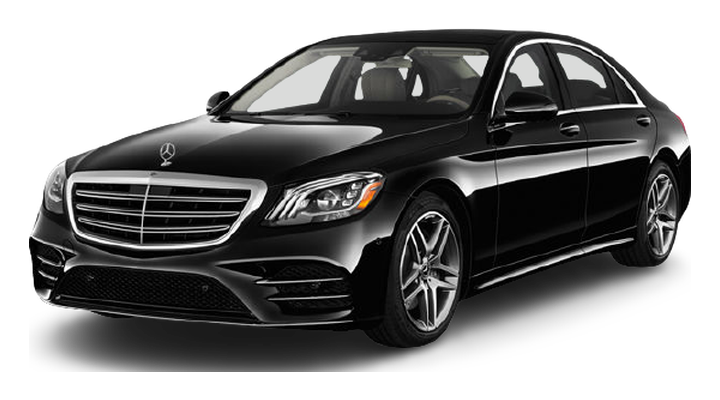 Mercedes-Benz S-Class
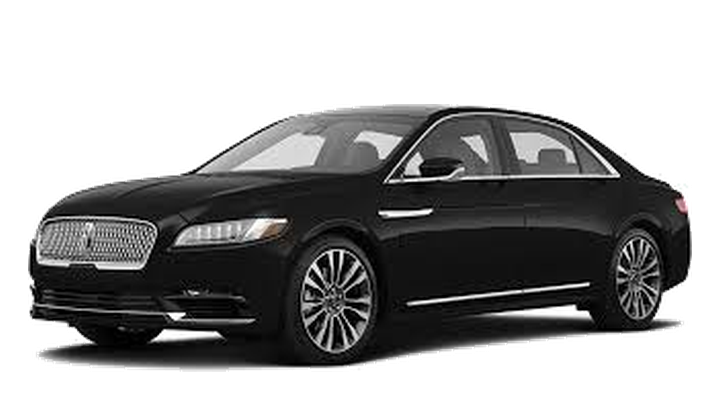 Premier Executive Sedan
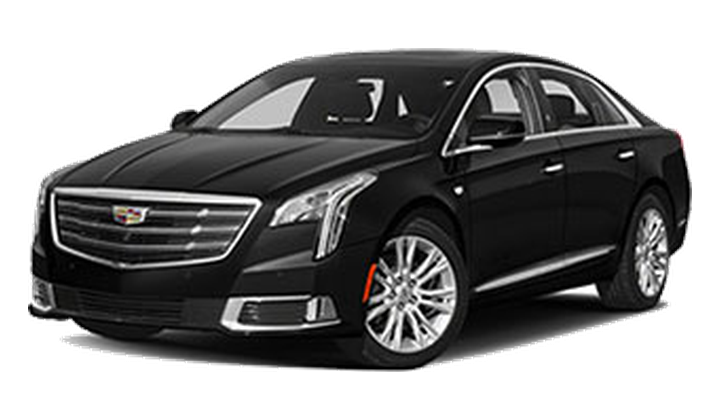 Executive Sedan
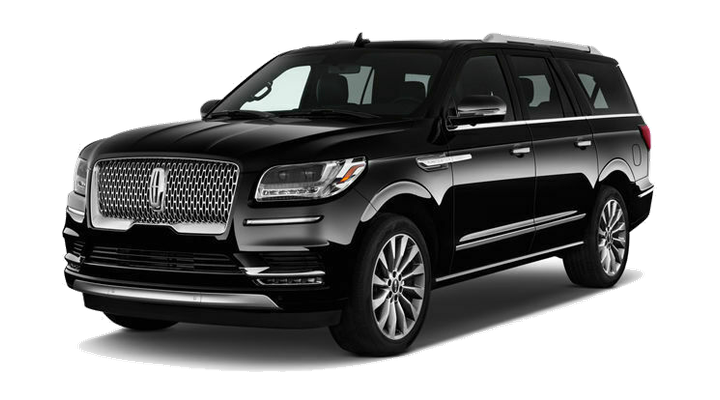 Premier Luxury SUV
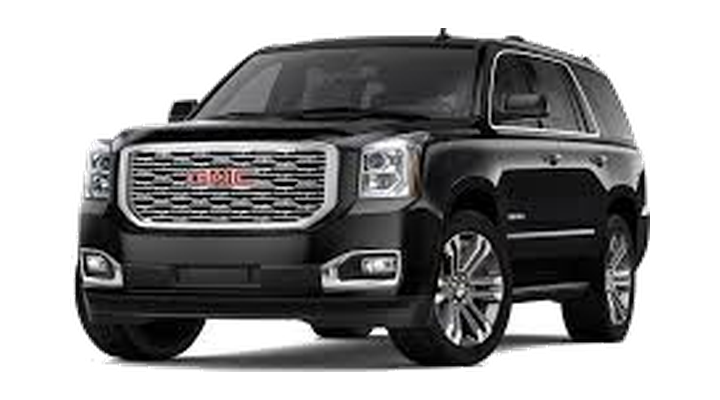 GMC Yukon XL / Suburban
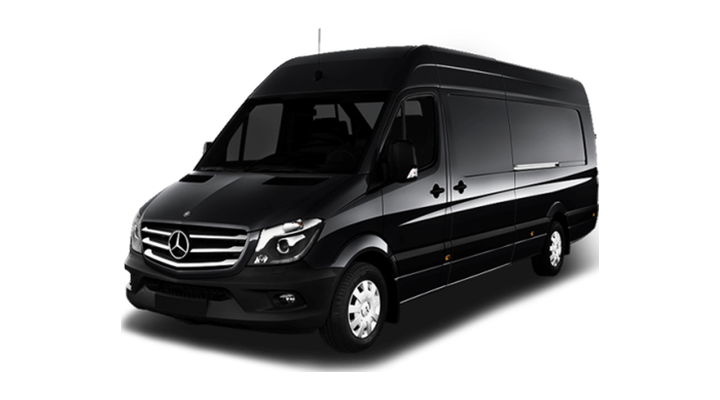 Mercedes-Benz Sprinter
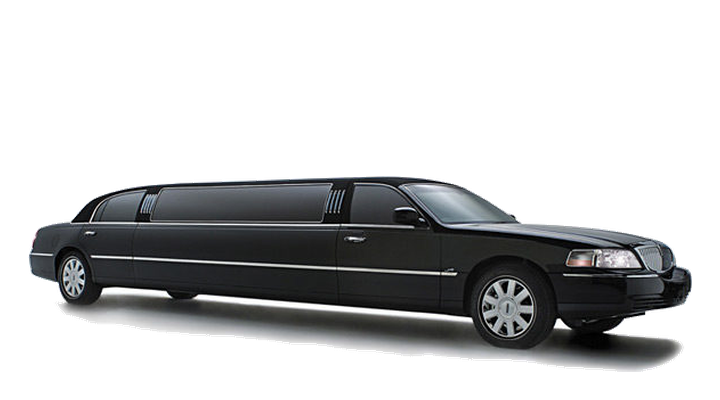 Stretch limousine