When is a tarmac pickup for a private jet allowed?
Three gatekeepers decide. The airport sets the security perimeter and who may hold a ramp pass. The FBO (the private terminal operator) decides whether outside vehicles may follow its staff to an aircraft. Border officers decide whether anyone may leave the aircraft before inspection. Only when all three say yes does a car roll up to the airstair.
We never promise planeside access in advance of that confirmation. When you book a private jet chauffeur with us, our desk calls the FBO, logs the vehicle and driver, and tells you in writing which handover to expect. If the basics of FBOs are new to you, our explainer on what an FBO is and how ground transport works there is a useful primer.
How do the rules differ by airport type?
| Airport type | Planeside car access | Usual condition |
|---|---|---|
| Dedicated business-aviation airport (e.g. Teterboro, Farnborough) | Often possible | Pre-registered vehicle, escorted by FBO line staff |
| Large commercial hub with a general aviation area | Rare for outside cars | Handler drives passengers airside in its own vehicle |
| Regional or mountain airport | Varies widely | Depends on ramp space, weather and FBO staffing |
| International arrival awaiting customs | Usually no, until cleared | Officers inspect at the aircraft or in the FBO first |
The pattern is simple: the quieter and more private the airfield, the more likely a ramp escort becomes.
What does an FBO need from us before the car goes airside?
Expect a short but strict list, usually requested a day or more ahead:
- Vehicle make, color and registration plate
- Chauffeur’s full name and a driving licence or photo ID to show at the gate
- Proof of commercial insurance, at some FBOs
- Tail number, ETA and passenger count
- Confirmation the crew has requested planeside service
On the ramp the chauffeur follows an FBO vehicle or wing walker, keeps to walking pace, switches on hazards and never reverses near an aircraft. Many FBOs ask the car to stop clear of the wingtip and wait for engines to spool down before anyone moves. Our chauffeurs brief on these habits before their first airside job.
Why does customs often stop the car at the door?
An international arrival has not legally entered the country until border officers have cleared it. In the United States, Customs and Border Protection may meet the aircraft or process passengers inside the FBO’s inspection area; either way, no one is collected planeside before that is done. The UK, Canada and Schengen states have their own versions of the same principle.
So for a first landing in a new country, the realistic plan is a car positioned landside or at the FBO door, ready the moment the officer releases you. Our guide to private jet customs and timing your car walks through those minutes in detail.
Is planeside always better than the FBO lobby?
Not always. Planeside is ideal for heavy luggage, mobility needs, bad weather and principals who would rather not cross a lounge. Yet the lobby route is often under a minute, and some FBOs have a heated or covered vehicle bay that is more private than an open ramp in view of the perimeter fence.
For high-profile clients we weigh where cameras could be. A hangar pull-in, where the FBO tows the aircraft inside before doors open, beats an open-ramp handover for discretion. We note the preferred option in the client’s file under our Privacy Protocol, so the plan is the same at every airport.
How do European airports handle airside vehicles?
Airside access in Europe sits inside a tightly regulated security regime, and each airport interprets it through its own pass system. At business-aviation airports such as Paris Le Bourget or Farnborough, a pre-registered car escorted by the handler is a familiar request. At mixed-traffic airports the handler more often brings passengers to the car in a minibus or limousine that already holds airside credentials.
Lead times can be longer than in the US, and some handlers ask for passenger names. We submit details early and treat any ramp approval as provisional until the morning of arrival.
What changes at a busy hub with airline traffic?
At major airline hubs, private flights usually park on a remote stand served by a general aviation terminal. Outside cars almost never drive to the aircraft; the handler’s own vehicle collects passengers and brings them through security to the landside door, where our chauffeur waits. The total time is often still pleasantly short.
The key is knowing exactly which door. Large airports may have several handlers, each with a different kerb. We confirm the handler by name and send the chauffeur a pinned location the night before. Our airport transfer guides cover the commercial side of the same airports.
Which car works best for a planeside handover?
Ramp transfers favor vehicles that load fast and sit low enough for crew to help with bags. A full-size SUV takes four passengers and a long-haul luggage load; a Mercedes-Benz Sprinter suits a family, crew transfer or a band with gear. For larger loads we add a dedicated luggage car so the principal leaves immediately while bags follow ten minutes behind.
See our fleet for interior layouts. Pets, car seats and golf or ski equipment should be listed at booking, because they change the vehicle choice more than passenger count does.
How should you request a tarmac pickup?
- Give us the FBO name, tail number and expected landing time.
- Tell us if the flight arrives from abroad.
- Ask your crew or charter operator to request planeside service with the FBO as well.
- List luggage, pets and any special equipment.
- Confirm a fallback: lobby door or vehicle bay.
Our Travel Desk then reconciles the crew’s request with ours, so the FBO hears one consistent story. When you are ready, reserve the car and we handle the paperwork.
Frequently asked questions
Can any car drive onto the tarmac to meet a private jet?
No. Only vehicles approved by the FBO and airport for that specific arrival may go airside, usually under escort. Approval can be refused on the day for traffic, weather or security reasons, so we always prepare a landside fallback.
Does the chauffeur need a special pass for a tarmac pickup?
Usually not a permanent pass. Most FBOs issue a temporary escort arrangement after checking the chauffeur’s identity and vehicle details provided in advance. Some airports require longer lead times or names of passengers, especially outside the United States.
Can I be picked up planeside on an international arrival?
Typically only after border officers have cleared the aircraft and passengers. Where officers inspect at the aircraft, a car may approach once they release you. Elsewhere you walk through the FBO’s inspection area to a car waiting at the door.
Is a tarmac pickup more private than walking through the FBO?
Sometimes. It avoids the lounge, but an open ramp can be visible from outside the fence. For high-profile guests a hangar pull-in or covered vehicle bay is often the most discreet choice, and we discuss it before arrival.
How far in advance should I request planeside access?
Ideally 24 hours or more, and earlier at European airports. Last-minute requests are sometimes possible at quiet FBOs, but never guaranteed. Sending tail number and passenger count early gives the FBO what it needs.
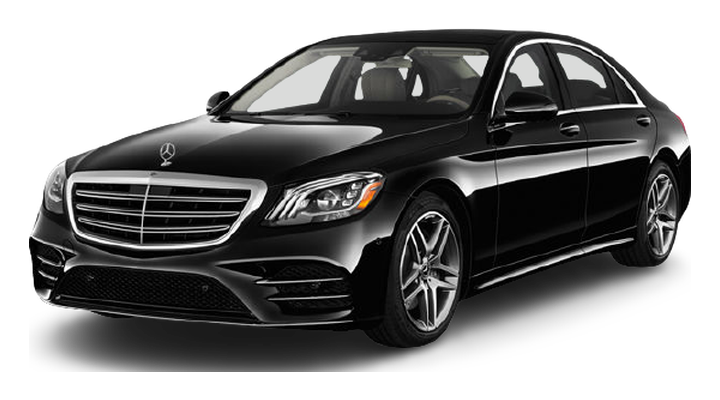 Mercedes-Benz S-Class
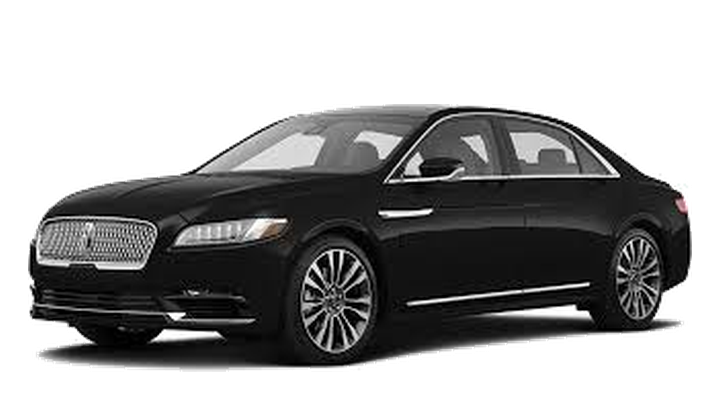 Premier Executive Sedan
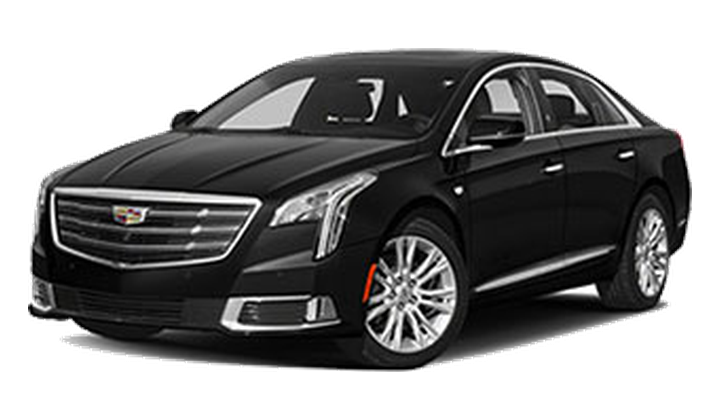 Executive Sedan
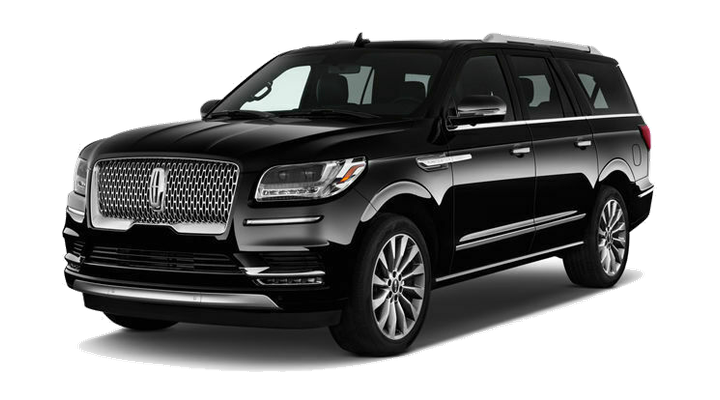 Premier Luxury SUV
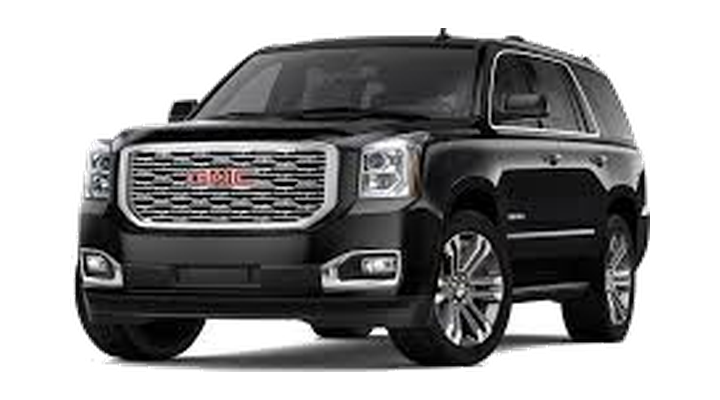 GMC Yukon XL / Suburban
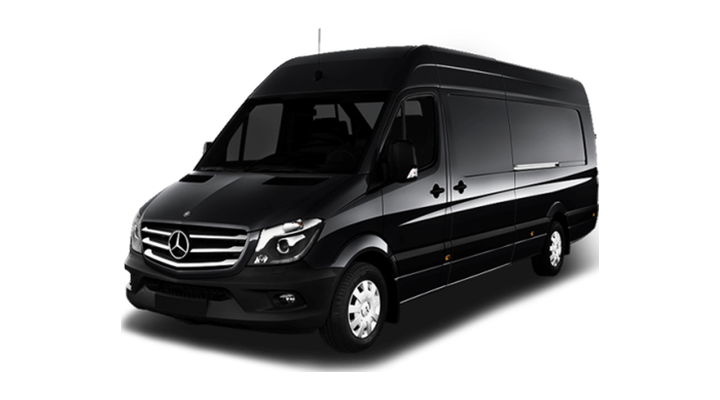 Mercedes-Benz Sprinter
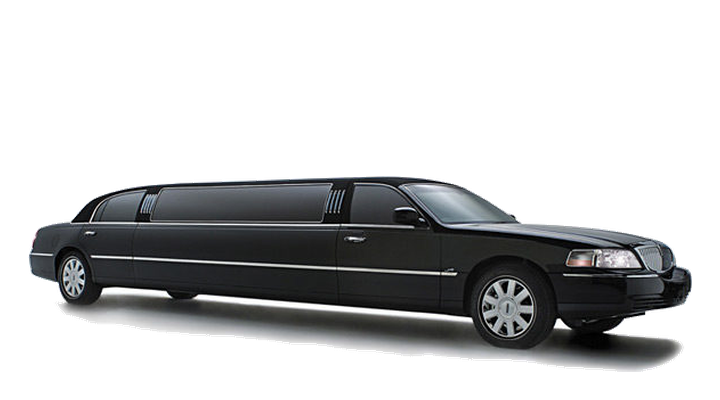 Stretch limousine