What should artist rider transportation cover?
A good transport section answers five questions for every city: which vehicles, for whom, when, with what standards, and who pays. It should apply equally to a stadium in London and a theater in Lisbon, with a local appendix where needed. Promoters often hand it straight to their ground transport supplier, so clarity saves everyone time.
If you would rather have one company deliver the rider in every city, our team can provide concert and tour transportation to the rider’s standard, and promoters can book cars against a rider here.
How specific should the vehicle list be?
Specify a class and a minimum, not a single model. "Luxury SUV, current or previous model year, black, privacy glass, seats for four passengers plus luggage" can be met in most cities. "One specific model in one color" may not exist locally, and a promoter who cannot meet it will improvise. Add a line allowing an equivalent with tour management’s approval.
| Party | Suggested rider wording |
|---|---|
| Artist | One luxury SUV or long-wheelbase sedan with professional chauffeur, on hourly standby on show day |
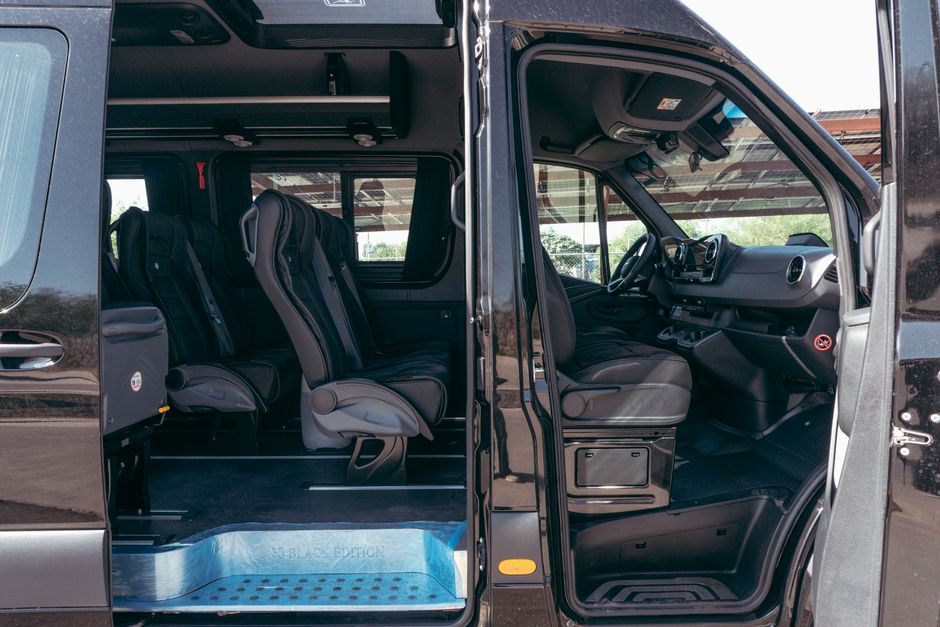
| Band | One executive passenger van seating the band plus personal bags |
| Management and guests | One or two executive sedans on call |
| Luggage | One cargo van on airport days |
What chauffeur standards belong in a rider?
- Professional, licensed chauffeur with commercial insurance as local law requires.
- Dark suit, no branding, no photography, no social media posts.
- Signed NDA before the engagement.
- Local road knowledge and the venue’s artist entrance confirmed in advance.
- Fluent in English or the tour’s working language.
These mirror our own written privacy protocol, which promoters can adopt directly.
How should timings be written?
Riders should state standby periods rather than single pickups: "artist vehicle available from soundcheck call until one hour after the artist leaves the venue". That protects against the most common failure, a car released after drop-off and unavailable for the exit. Airport legs should reference the day sheet rather than fixed times, since flights move.
What should the rider say about exits and security?
State that the artist vehicle stages at the venue’s artist or loading dock, not the public front, and that the route out is agreed with venue security. If the artist travels with close protection, say whether the security lead rides in the artist car or a follow car. Our guide to stage-door exits explains the routine behind those clauses.
Which in-car requirements are reasonable?
Water, chargers, climate preferences, quiet cabin and no fragrance are easy and common. Specific snacks or drinks can be listed, but keep them short. Very elaborate in-car demands tend to be met unevenly from city to city, while short, clear requests are met everywhere.
How should costs and responsibility be allocated?
The rider should say who books and pays: the promoter, the tour or a split by leg. Typical splits put show-day local transport with the promoter and airport, hotel and days off with the tour. Whatever the split, name one contact on each side and require the promoter to confirm the supplier’s name and the chauffeur’s details before arrival day.
What about sustainability and local rules?
Many tours now set emissions targets. A rider can request electric or hybrid vehicles where available and ask that vehicles comply with local low emission zones, such as London’s ULEZ. Our fleet guide shows where electric luxury cars are readily available.
How does a rider connect to the wider tour plan?
The rider sets the standard; the tour’s ground plan delivers it city by city. Our world tour transportation guide explains how routing, advance work and driver rest fit around the rider. Our travel desk keeps the rider on file and checks each local booking against it.
What does a sample transport clause look like?
A short clause that promoters can actually deliver might read like this, adapted to the tour:
"Promoter shall provide one luxury SUV or long-wheelbase sedan, current or previous model year, dark color, privacy glass, with a professional licensed chauffeur who has signed the tour’s NDA. The vehicle shall be on standby from the artist’s soundcheck call until one hour after the artist departs the venue, and shall stage at the artist or loading entrance agreed with tour security. Promoter shall also provide one executive passenger van for the band and one sedan for management on call. Supplier and chauffeur details to be sent to tour management 72 hours before show day. Equivalent vehicles require tour management approval."
It is one paragraph, measurable and hard to misread.
Which rider mistakes cause the most problems?
Naming one exact car model. Listing pickups but no standby period. Forgetting the band van entirely. Asking for "a driver" with no professional standard. Not mentioning NDAs. Leaving payment unclear, so each promoter interprets it differently. A one-page section that covers class, standby, standards, exits and responsibility avoids all six.
Frequently asked questions
Should a rider name a specific car model?
It is better to specify a vehicle class with minimum features and allow equivalents approved by tour management. Exact models may not be available in every city.
What is the most important clause in the transport section?
A standby period for the artist vehicle, from soundcheck until after the artist leaves the venue. It prevents the car being released before the exit.
Can a rider require chauffeurs to sign NDAs?
Yes, and many do. Our chauffeurs sign NDAs as standard and work under a written privacy protocol that promoters can reference.
Who usually pays for transport in a rider?
It varies by deal. Show-day local transport is often the promoter’s, with airport legs, hotels and days off paid by the tour. The rider should state the split clearly.
Can you deliver a rider’s transport section worldwide?
Yes. Our tour desk can supply vehicles and chauffeurs to the rider’s standard across our 56 countries, quoted as a flat package before you confirm.
Should a rider ask for electric vehicles?
It can, phrased as a preference where available. Electric luxury sedans and SUVs are common in many large cities but not everywhere, so a firm requirement may be impossible to meet in some markets.
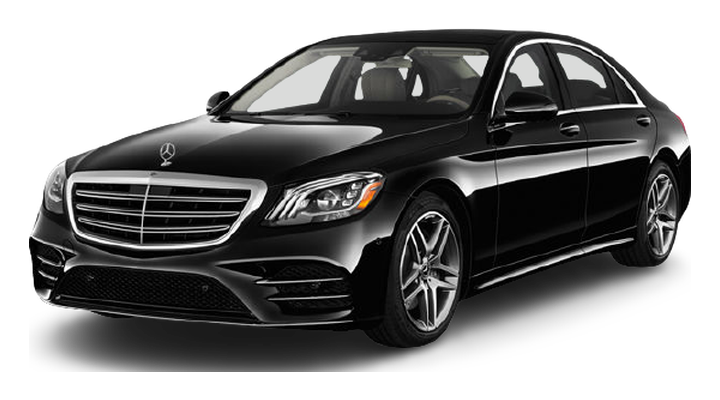 Mercedes-Benz S-Class
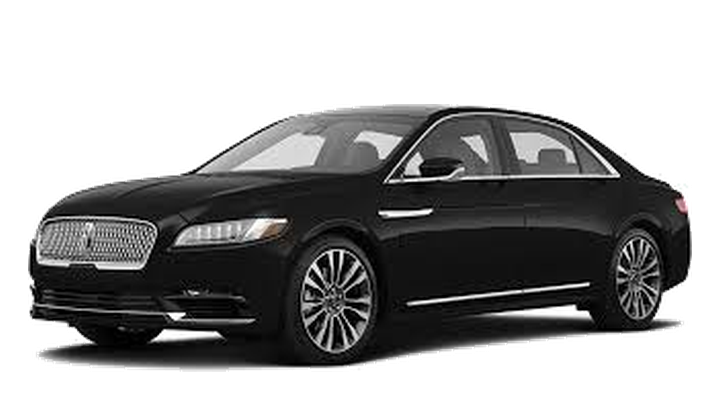 Premier Executive Sedan
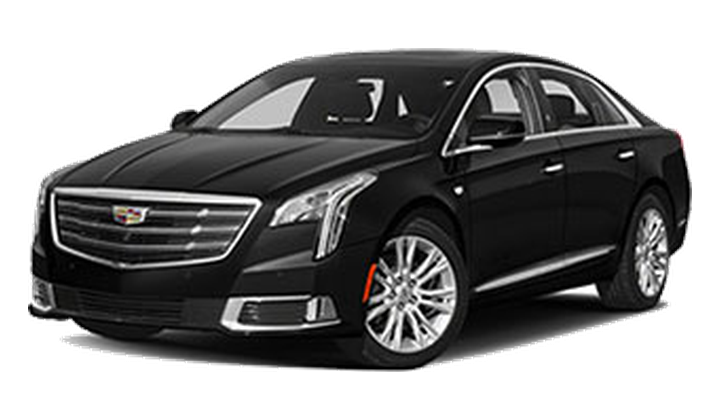 Executive Sedan
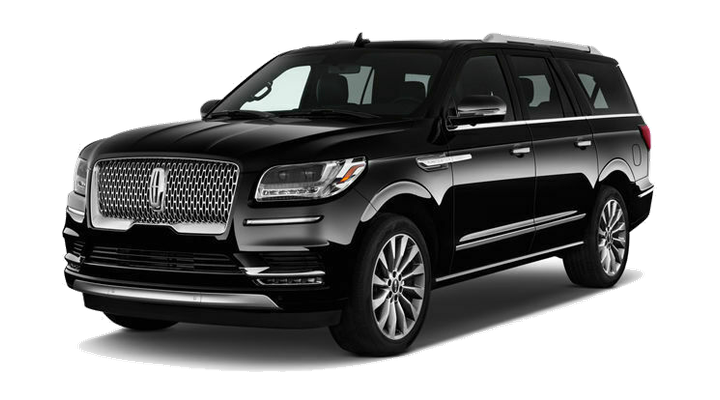 Premier Luxury SUV
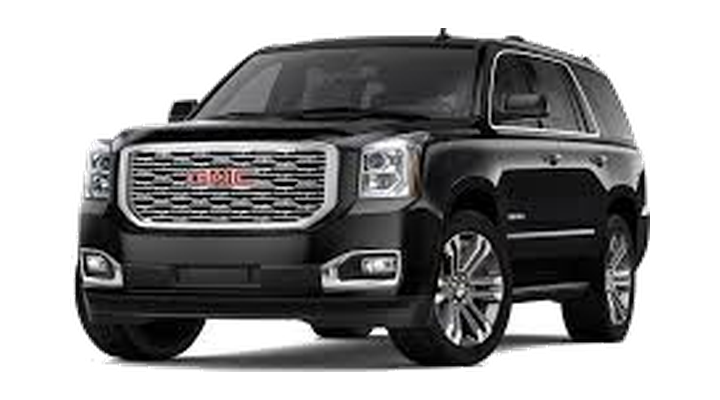 GMC Yukon XL / Suburban
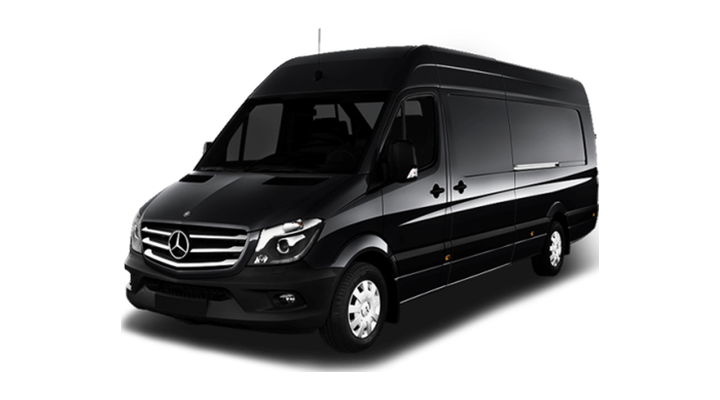 Mercedes-Benz Sprinter
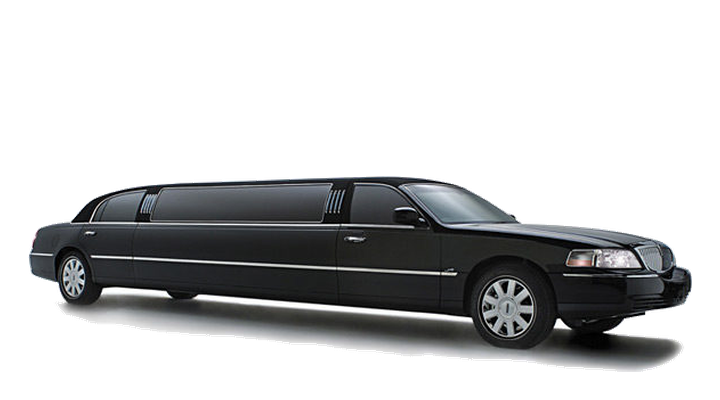 Stretch limousine