What should a film premiere transportation plan settle first?
Before a single car is assigned, the plan needs four facts. Get them wrong and every other point fails.
- Venue and confirmed drop point for each guest category: talent, filmmakers, studio executives, guests.
- Carpet windows issued by the publicity team, with the order of talent arrivals.
- Road closures and permits around the venue, from the city film office or police.
- Who owns transport decisions on the night: one named contact on the studio side and one at our dispatch desk.
When those are fixed, our film team can plan premiere transportation for the whole cast and you can reserve the vehicles in one step.
Which vehicles do you need, and how many?
- One car per principal who needs a separate arrival photograph.
- A wardrobe and glam car following the lead talent with the stylist and kit.
- Group vehicles for supporting cast and filmmakers, often executive Sprinters.
- A spare car on standby for the unplanned: an extra guest, a breakdown, an early exit.
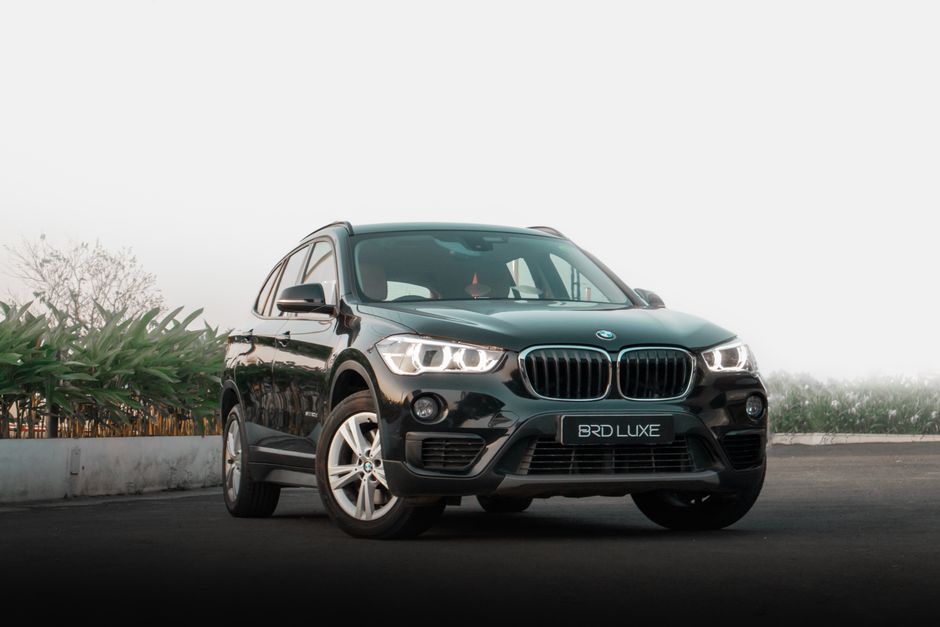
Our fleet guide explains which classes suit carpet arrivals and which are better kept for groups. A sedan photographs cleanly at the curb; an SUV gives more room for a gown but a higher step; a Sprinter should drop away from the main carpet frame.
How is the arrival sequence timed?
- Back-timed departures from each hotel or home, based on drive time plus the final approach queue.
- A holding point two to five minutes from the venue where cars can wait and release on cue.
- Gaps between principals so two leads never arrive at the curb together unless the studio wants it.
Our article on red carpet arrival timing goes deeper on cueing cars from a holding point.
What does the chauffeur brief include?
- Passenger names or aliases, with a photo shared securely so the chauffeur recognizes the guest.
- Phone numbers for the publicist and the dispatcher only, never for the talent unless asked.
- Dress code for chauffeurs: dark suit, no logos, no visible earpiece unless the security team requests one.
A five-minute call between the lead chauffeur and the publicist on the afternoon of the premiere catches more problems than any document.
How should staging work during the screening?
- A staging location agreed with the venue or police, out of sight of fans and press.
- Engine-off rules respected where local anti-idling bylaws apply; electric cars are useful here.
- Chauffeurs reachable within two minutes of a call, with a dispatcher tracking the screening’s running time.
How are exits planned?
- Exit door chosen in advance, usually a side or service door rather than the main foyer.
- Early-exit option for talent who walk out after introducing the film.
- After-party order confirmed, with walking routes where faster than driving.
- A decoy or second car at the front for the most watched guests; see our note on decoy departures.
How is privacy protected?
- NDAs signed by every chauffeur and dispatcher on the job, under our written privacy protocol.
- No names on signage at hotels or airports; aliases on every booking record.
Chauffeurs also keep their own phones away from the passenger cabin and never photograph the carpet, the cast or the car interior.
What happens after the night ends?
- Final drops and luggage handled by the wardrobe car so the principal leaves light.
- A debrief the next morning: what ran late, which drop point worked, what to change for the next city on the press tour.
For multi-city releases, our travel desk carries the notes forward so the team in the next city starts with them.
Which mistakes does this checklist prevent?
The same few problems appear at premieres everywhere. Cars arrive at a closed street because nobody checked the permit map. Two leads pull up together and the studio loses a photograph. A stylist is left behind at the hotel with the backup dress. A chauffeur rotated in at the last minute does not know the passenger. The exit plan exists only in a publicist’s head and the car waits at the wrong door. Each of the 25 points above exists because one of those has happened somewhere.
How far ahead should premiere transport be booked?
For a major studio premiere in Los Angeles, London or New York, book the core vehicles as soon as the date is set and add detail as publicity confirms it. Festival premieres compete with every other film in town, so earlier is better there too. The press junket day usually sits around the premiere, and planning both together saves a car and a chauffeur change.
Frequently asked questions
How many cars does a film premiere need?
Typically one car for each principal who needs a separate arrival, a wardrobe car for the lead, group vehicles for supporting cast and a spare on standby. The exact number depends on the cast and the studio’s publicity plan.
Who decides the drop point at a premiere?
The venue, the city or police and the studio’s publicity team usually set it. We confirm the agreed point with the publicist on the day rather than relying on previous events at the same venue.
Can you supply electric vehicles for a premiere?
Yes, in most of our major markets. Electric sedans and SUVs are useful during long holds where anti-idling rules apply, and for studios with sustainability goals.
Do your chauffeurs sign NDAs?
Every chauffeur and dispatcher on a premiere assignment signs an NDA and works under our written privacy protocol. Bookings can be held under aliases.
How is a premiere priced?
We quote a flat fare or hourly package for the vehicles and hours required before you confirm. Changes on the night are logged by dispatch and agreed with the studio contact.
Which point on the checklist matters most?
The confirmed drop point. If the car cannot reach the curb the publicity team expects, the arrival sequence, the photographs and the exit plan all start to fail. We confirm it with the publicist on the day of the premiere, not from memory of earlier events.
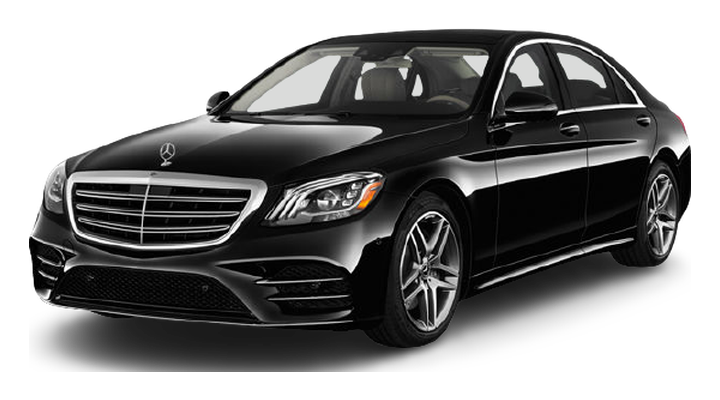 Mercedes-Benz S-Class
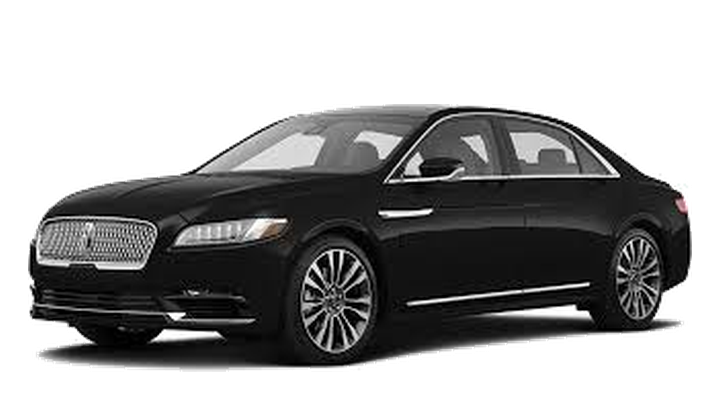 Premier Executive Sedan
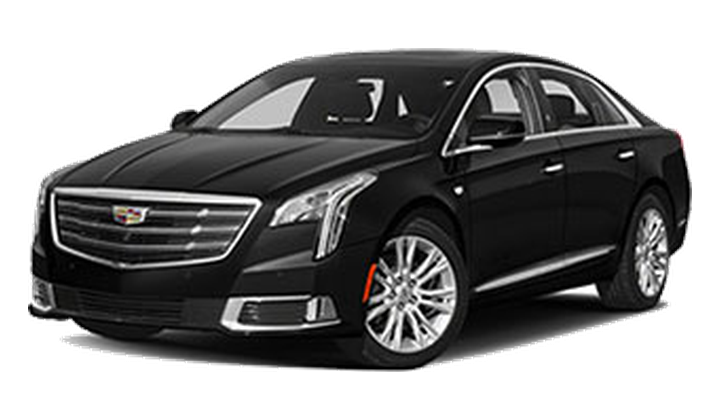 Executive Sedan
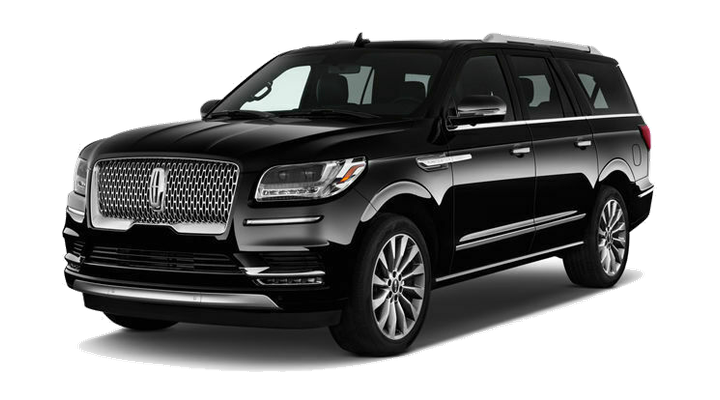 Premier Luxury SUV
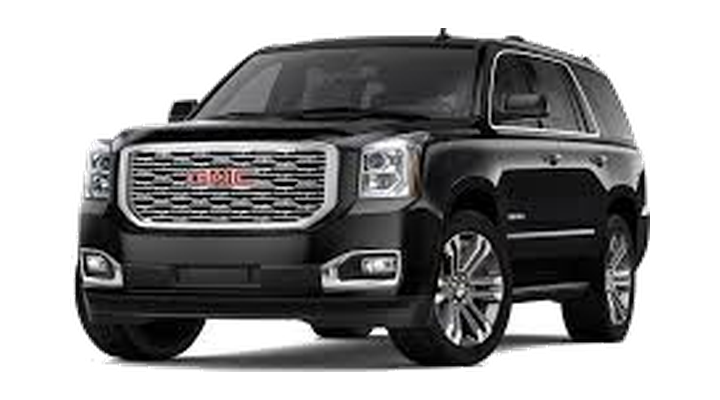 GMC Yukon XL / Suburban
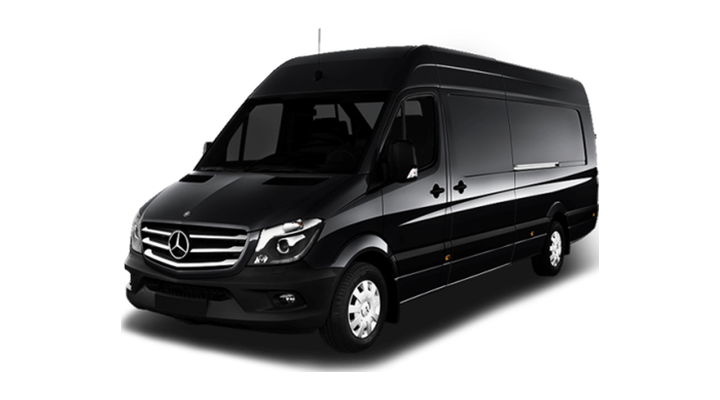 Mercedes-Benz Sprinter
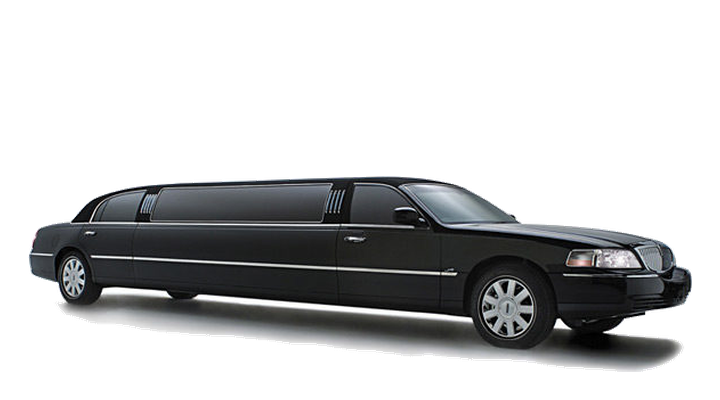 Stretch limousine