Where does talent transportation film production planning begin?
On most productions the transportation department, led by a transport coordinator or captain, owns vehicles and drivers. Chauffeur services usually come in for principal cast, visiting talent, executives and press days, and they work to the department’s call sheet and rules. On productions with union agreements, the agreement decides who may drive whom, so our role is agreed with the production before any car is placed.
Producers can arrange talent transportation through our film desk for a single day or a full shoot, and book individual transfers for arrivals and wrap travel.
How should pickups follow the call sheet?
The call sheet is the only schedule that counts. Pickups are calculated back from the cast member’s call time at hair and makeup, not their on-set time, plus drive time and a buffer. Our chauffeurs receive the call sheet each evening through the production’s chosen channel and confirm the next morning’s pickup with the assistant directors’ team, not directly with the actor unless asked.
How long can a driver safely work on a shoot?
Film days are long, and driver fatigue is the most serious transport risk on any production. Commercial passenger vehicles fall under hours-of-service rules in the United States and drivers’ hours rules in the UK and EU; sedans and SUVs may sit outside those rules, but we apply comparable limits anyway. In practice that means planned chauffeur changes on long days, no single driver doing both the pre-dawn pickup and the post-wrap return, and rest breaks logged by dispatch.
What changes when the cast includes minors?
- A parent, guardian or licensed chaperone travels with the minor, as the local rules for child performers require.
- Correct child seats or boosters are fitted before pickup; see our child seat guide.
- Pickup and drop-off times respect the working-hour limits that apply to child performers.
- The chauffeur never travels alone with a minor.
How do unit moves and locations affect transport?
When the unit moves between locations mid-day, principals often travel ahead in their own car so they are rested when the next set-up is ready. We scout the new location’s approach the day before, confirm where the car may stop under the film permit and know the route to the nearest hospital, a basic safety step many productions request. Our piece on base camp and holding vehicles explains how cars sit at unit base between scenes.
Which vehicles suit cast transport?
| Vehicle | Typical use | Production note |
|---|---|---|
| Luxury SUV | Principal cast daily pickups | Room for a script, wardrobe bag and a change of clothes |
| Executive sedan | Executives, visiting producers | Quick airport and office runs |
| Executive Sprinter | Supporting cast, stand-ins, press | Fewer vehicles at base, easier parking permits |
| Electric SUV | Any of the above | Helps productions with sustainability targets |
See our fleet overview for availability by market.
How is privacy handled on location?
Locations leak. We keep vehicles unbranded, avoid parking in public view near the set, use the production’s code names on all paperwork and sign NDAs covering cast, story and location details. Our privacy protocol is written to sit alongside the production’s own confidentiality terms.
What should the production send the chauffeur company?
- The transport contact and the escalation chain.
- Daily call sheets and movement orders.
- Unit base and location addresses, with parking and permit notes.
- Cast preferences, allergies and any security arrangements.
- Rules on idling, phone use and photography on set.
Our travel desk keeps these in one file for the length of the shoot.
How do press days and premieres connect to the shoot?
The same cast who were collected for pre-dawn calls later appear at junkets and premieres. Productions that keep one chauffeur company from shoot through release gain continuity: the chauffeur knows the actor’s routine and the team’s contacts. Our press junket transportation guide picks up the story at release.
How do executives and visiting talent fit in?
Studio executives, financiers and visiting producers arrive for a few days and want to see set, attend dailies and hold meetings in town. They rarely follow the call sheet, so we run them on a separate hourly car with its own chauffeur rather than borrowing a cast vehicle. The same applies to a guest star flying in for two days of work: they need an airport meet, a hotel transfer and a pickup tied to the call sheet, then a clean exit to the airport at wrap.
Keeping those cars separate protects the cast schedule. When an executive’s lunch runs long, nobody’s makeup call slips because the only available car was waiting outside a restaurant.
What are the most common production transport errors?
Pickups calculated from on-set time rather than makeup call. A driver stretched across two long days without rest. A location with no legal stopping point near the set. Cast left waiting at wrap because the car was released early. All are avoided by working from the call sheet, planned driver rotations and a location check the day before.
Frequently asked questions
Can a chauffeur service work alongside a production’s transport department?
Yes. We work to the production’s call sheet and the transport coordinator’s rules, and agree our role in advance, especially where union or local agreements govern who drives cast.
How do you manage driver fatigue on long shoot days?
We plan chauffeur changes on long days, avoid assigning one driver to both early pickups and late wraps, and log rest breaks through dispatch.
Can you transport child performers?
Yes, with a parent, guardian or licensed chaperone traveling with the child, the correct child seats fitted in advance and timings that respect the rules for child performers.
Do you offer electric vehicles for productions?
In most major markets, yes. Electric SUVs and sedans help productions meet sustainability goals and are useful for long holds at unit base.
How is pricing structured for a shoot?
We quote a flat daily or weekly package based on vehicles and hours before you confirm, with airport transfers priced separately where needed.
Who should the chauffeur take instructions from?
From the production’s nominated transport contact and the assistant directors’ team, working from the call sheet. Talent and their teams can make requests, but schedule changes are confirmed through the production so the day stays coordinated.
 Mercedes-Benz S-Class
 Premier Executive Sedan
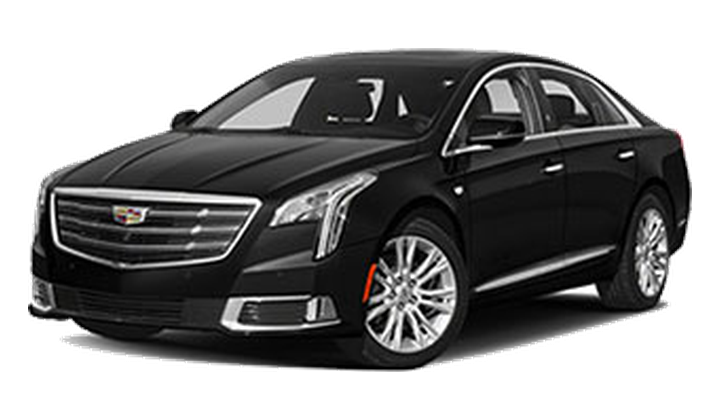 Executive Sedan
 Premier Luxury SUV
 GMC Yukon XL / Suburban
 Mercedes-Benz Sprinter
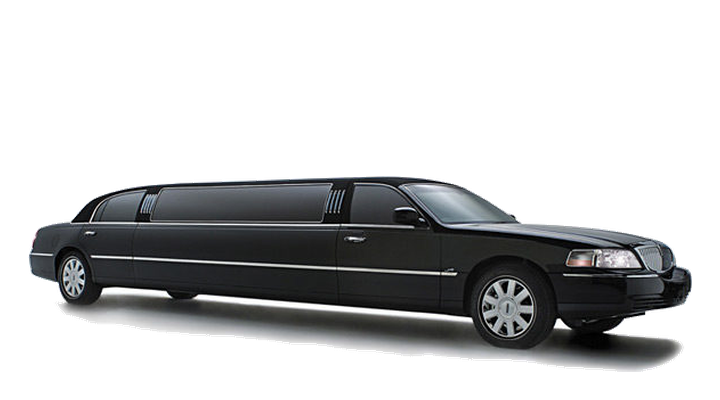 Stretch limousine