What are the holding vehicles film set crews talk about?
A holding vehicle is a car, SUV or van kept on standby with a chauffeur rather than released between runs. It might hold a lead actor between set-ups, wait to take a director to an evening meeting, or sit ready for a medical or family emergency. Unlike a shuttle that loops on a schedule, a holding vehicle stays assigned to a person or a purpose all day.
Our film desk can supply holding vehicles and chauffeurs for productions by the day or week, and producers can book them here once the shooting schedule is known.
What is base camp, and where do the cars go?
Base camp is the production’s parked village: trailers for cast, hair and makeup, wardrobe, catering and the production office. It is usually a permitted lot or street section a short drive or walk from set. Holding vehicles park at a spot the location manager assigns, typically near the cast trailers but clear of trucks, generators and the honeywagon, with a straight route out to the road.
When are holding vehicles worth the cost?
- When the set is more than a short walk from base camp and cast move several times a day.
- When principal cast have commitments after wrap and cannot wait for a pool car.
- When the location is remote and no taxi or ride-hail can reach it quickly.
- When security or privacy means cast should not use shared shuttles.
- When weather makes walking between set and trailers impractical.
Do holding vehicles need permits?
Usually they are covered by the production’s film permit, which lists the vehicles and parking areas allowed at each location. Film offices such as FilmLA in Los Angeles, the City of Toronto’s film office and local authorities in the UK set conditions on where cars may stand, for how long and at what hours. Our chauffeurs follow the permit exactly and never park outside the permitted area to get closer to set.
What about idling and noise near set?
Many cities restrict engine idling, and a running engine near set ruins sound takes. Holding cars wait with engines off unless the location rules and weather allow otherwise, and electric vehicles solve much of the problem: they can keep the cabin warm or cool silently. For productions tracking emissions, electric holding vehicles are an easy win.
Holding vehicle, shuttle or pool car?
| Option | How it works | Best for |
|---|---|---|
| Holding vehicle | Assigned car and chauffeur on standby all day | Principal cast, directors, emergencies |
| Shuttle | Van looping between base camp and set | Crew and supporting cast |
| Pool car | Shared car dispatched on request | Ad hoc runs, office errands |
Our fleet page lists which vehicles we can place as holding cars in each market.
How should a holding chauffeur behave on set?
Quietly. They stay with the vehicle or in the designated driver area, keep phones away from camera lines, never photograph the set and never approach cast unless asked. They know the route to the nearest hospital and to the next location. Every chauffeur on a production signs an NDA under our privacy protocol.
How do holding vehicles connect with cast pickups?
Often the same chauffeur who collects a lead actor in the morning becomes their holding driver for the day and takes them home at wrap, with a planned change if hours run long. That continuity is covered in our guide to talent transportation on productions. For premieres later in the release cycle, see our premiere checklist.
What should a producer tell us before day one?
- Shooting schedule, base camp and location addresses.
- Permit conditions for vehicles at each location.
- Who each holding vehicle serves and their likely after-wrap needs.
- Idling, noise and photography rules.
- The transport coordinator’s contact and the escalation chain.
Our travel desk confirms everything in writing before the first call.
How do weather and remote locations change the plan?
On a desert, mountain or coastal location the holding vehicle becomes shelter as much as transport. In heat it is the only cool space between set and trailer; in winter it keeps an actor warm between takes in a costume that was never meant for snow. Remote locations also mean long distances to help, so the holding chauffeur carries water, blankets, a first-aid kit and the location’s emergency plan.
Access roads matter too. A gravel track to a cliff-top set may suit an all-wheel-drive SUV but not a low sedan, and a Sprinter may need a turning point agreed with the location manager. We check the approach the day before and match the vehicle to the road, not to the call sheet’s wish list.
What goes wrong with holding vehicles?
Cars parked outside the permit area and moved on by enforcement. Engines idling near set during takes. Chauffeurs wandering into camera lines. Holding cars released to save money on the day a lead needs an urgent exit. Each comes back to clear permit briefings, electric options and a producer deciding in advance which holds are non-negotiable.
Frequently asked questions
What is a holding vehicle on a film set?
It is a car or van with a chauffeur kept on standby at base camp or near set, assigned to a specific person or need, rather than released between runs.
Are holding vehicles covered by the film permit?
Usually yes. The production’s permit lists permitted vehicles and parking areas. Our chauffeurs follow those conditions exactly.
Can holding vehicles be electric?
In most large cities we serve, yes. Electric cars keep the cabin comfortable without engine noise near set and help productions reduce emissions.
How many holding vehicles does a production need?
It depends on the cast, distance between base camp and set, and after-wrap commitments. Many productions hold one car per principal plus a spare.
How are holding vehicles priced?
We quote a flat daily or weekly rate per vehicle and chauffeur before you confirm, with planned chauffeur changes included on long days.
Where does the holding chauffeur wait during takes?
With the vehicle or in the driver area the location manager designates, out of camera lines and away from sound. The chauffeur stays reachable by phone or radio and moves only when called.
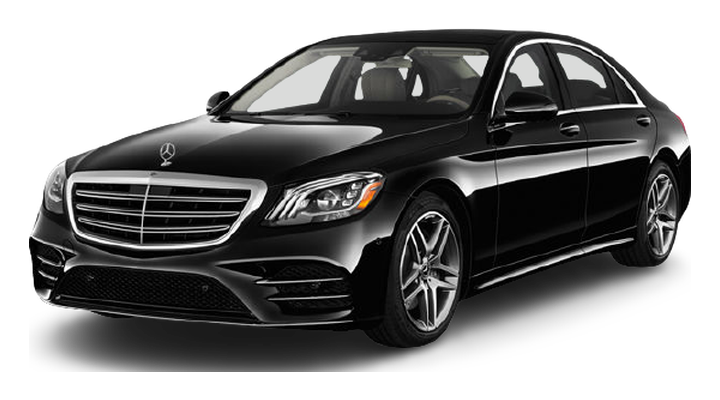 Mercedes-Benz S-Class
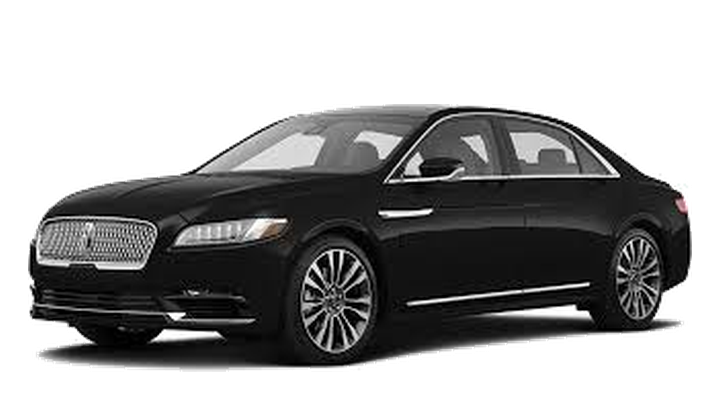 Premier Executive Sedan
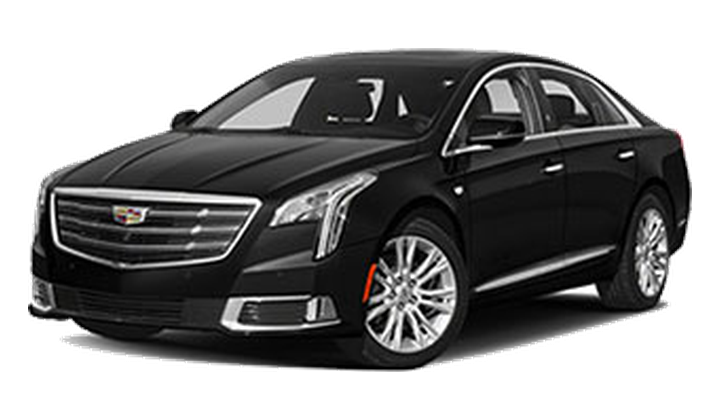 Executive Sedan
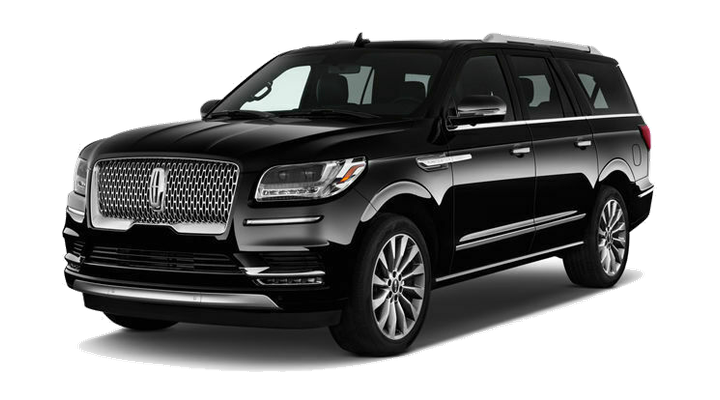 Premier Luxury SUV
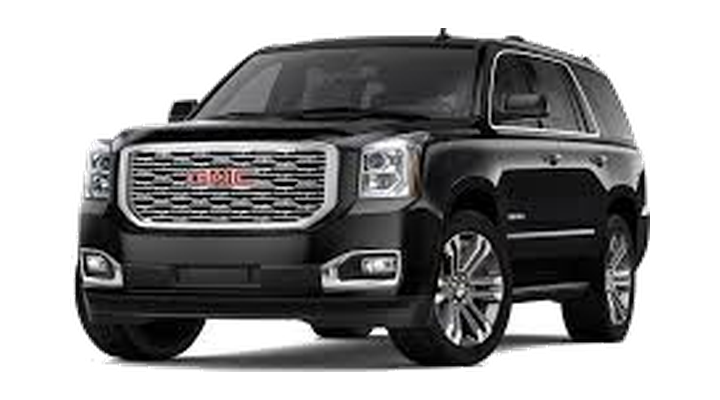 GMC Yukon XL / Suburban
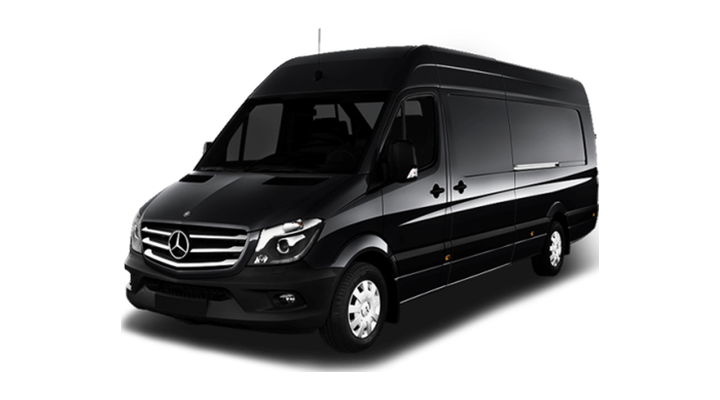 Mercedes-Benz Sprinter
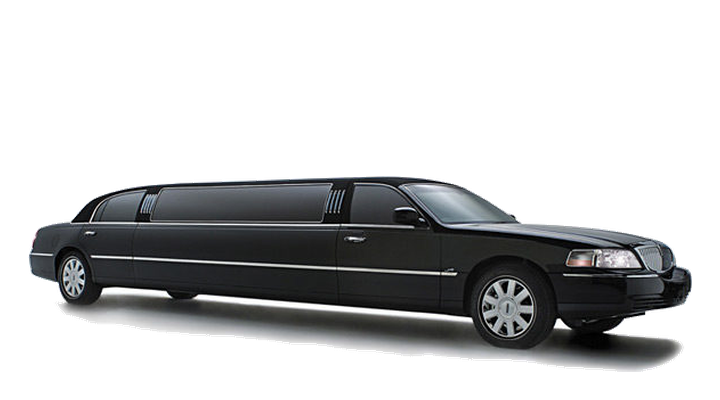 Stretch limousine