What should an event guest shuttle plan include?
At minimum: who travels, from where, at what time, in which vehicle, and how they get home. Behind that sit manifests, a dispatcher, a host at each pickup point, contingency vehicles and a wet-weather plan.
When you book an event guest shuttle with MoovLimo, our team builds the plan from your guest list and venue. For transport around London charity nights specifically, see gala transportation planning.
How big should the shuttle fleet be?
| Guests needing transport | Suggested mix | Notes |
|---|---|---|
| Up to 30 | Two or three Sprinters plus VIP sedans | Loop from one or two hotels |
| 30 to 100 | Sprinters and a minicoach, VIP cars separate | Timed waves at arrival |
| 100 to 250 | Coaches for main hotels, Sprinters for outliers | Hosts at each pickup point |
| Over 250 | Coach program with dispatcher and radios | Staggered returns in waves |
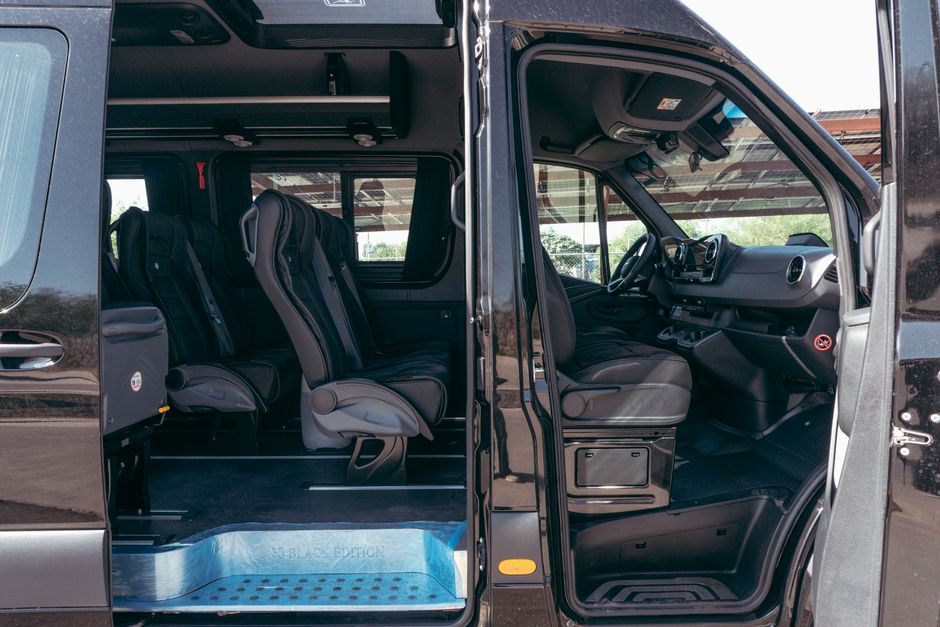
Vehicle capacity depends on configuration and luggage; we confirm seat counts per vehicle. Compare classes in our Escalade or Sprinter guide.
Loop or timed departures?
A loop runs continuously between hotel and venue, ideal when guests trickle in over an hour. Timed departures leave at fixed times, better when the program has a firm start and guests travel together. Many galas combine both: timed departures before dinner, a loop afterwards.
The return is where loops shine, because guests leave whenever they are ready.
Why do manifests and hosts matter?
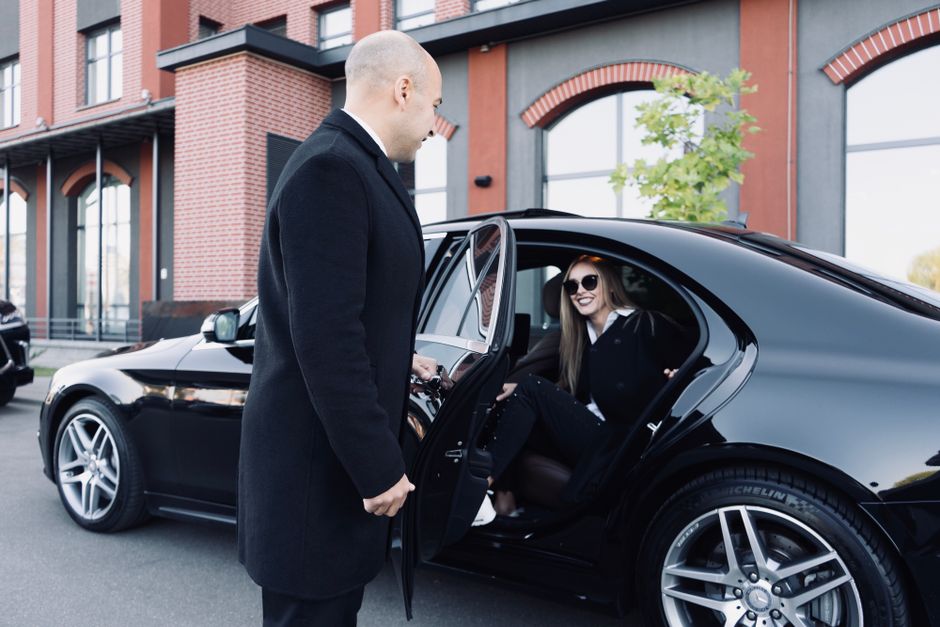
A manifest lists who is expected at each pickup and when. A host at the hotel lobby checks names, directs guests to the right vehicle and tells the dispatcher when a van is full. At the venue, a second host meets arrivals and calls ahead if a VIP is a minute away.
Without hosts, drivers end up asking strangers for names, which guests dislike and which slows every run.
How should VIPs fit into a shuttle plan?
Patrons, speakers and royal or political guests usually need dedicated cars rather than shuttles, both for comfort and for security. We plan them on a separate schedule, timed into quiet moments rather than the main arrival wave. Chauffeurs for VIPs work under NDAs and our Privacy Protocol.
How should drivers, hosts and the dispatcher communicate?
One dispatcher runs the night, and every driver and host reports to that person. Radios or a dedicated group channel carry short, standard messages: vehicle departing, vehicle full, guest missing, VIP two minutes out. Guests’ names stay off open channels; we use table numbers or codes instead.
Before the event, we hold a short briefing with routes, pickup maps and the running order. On the night, the dispatcher watches traffic and venue timings and adjusts the loop frequency. When a speech overruns or dinner ends early, the shuttle schedule follows, rather than vans arriving to an empty kerb or guests waiting for vehicles still in traffic.
What about accessibility?
Ask guests about mobility needs at RSVP. Some will need step-free vehicles, ramps or a car that drops at a side entrance closer to the room. We confirm accessible vehicles in advance and brief the venue on where they will arrive. A guest who needs help should never be loaded onto the busiest run.
What is the wet-weather plan?
- Covered pickup points at hotels and venue, confirmed in advance.
- Umbrellas in every vehicle, plus staff with large umbrellas at the kerb.
- Extra vehicles on standby, because rain shortens guests’ patience.
- Shorter loops, so nobody waits long in the open.
How do you plan the end of the night?
Plan returns in waves: after dinner, after the main entertainment and a final run at the close. Announce the times in the program or by text. Keep one vehicle until the last guest leaves, and confirm the final departure with the venue manager.
VIPs heading to a second venue are covered by our after-party exit guide.
Which mistakes do first-time hosts make?
- One coach for everyone, leaving at one time.
- No host at the hotel lobby.
- Ignoring the venue’s rules on coach parking.
- Forgetting guests staying at private residences.
- Ending service before the last guest leaves.
The same lessons apply to weddings; see Lake Como wedding transport.
Who operates the vehicles?
Larger passenger vehicles are licensed differently from cars in most countries; in the UK, for example, many operators of larger passenger vehicles need a PSV operator licence. We work only with properly licensed operators and confirm insurance for every vehicle. Our Travel Desk coordinates all of them under one dispatcher.
How do you start planning with us?
Send the date, venue, hotels, estimated guest numbers and VIP list. We return a draft plan with vehicles, timings and hosts. Then confirm the booking, and we brief drivers and hosts in the days before. Vehicle details are on our fleet page.
Frequently asked questions
How many shuttles do I need for a 100-guest gala?
It depends on how many guests need transport and from how many hotels. A typical plan for 100 combines Sprinters and a minicoach with separate cars for VIPs. We size it from your list.
Is a loop shuttle better than timed departures?
Loops suit arrivals spread over time and returns at the end of the night. Timed departures suit a fixed start. Many galas use timed runs before dinner and a loop afterwards.
Should VIP guests ride the shuttle?
Usually not. Patrons, speakers and high-profile guests generally have dedicated cars, scheduled into quieter moments, for comfort, privacy and security.
What if it rains on the night?
We confirm covered pickup points, put umbrellas in every vehicle, place staff at the kerb and keep extra vehicles on standby so loops stay short.
How late should the shuttle run?
Until the last guest has left. We plan return waves and keep one vehicle at the venue until the manager confirms everyone is on their way.
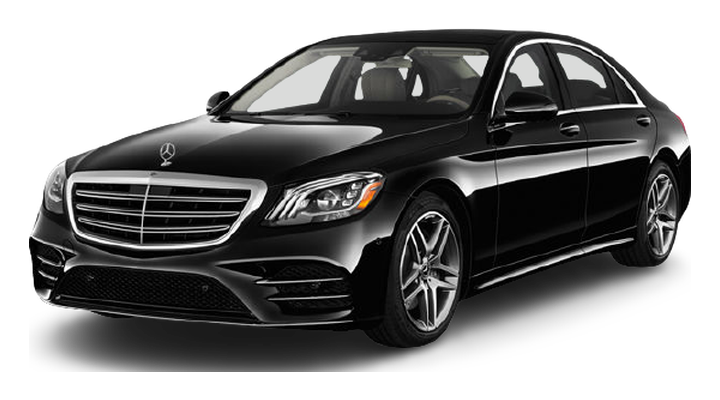 Mercedes-Benz S-Class
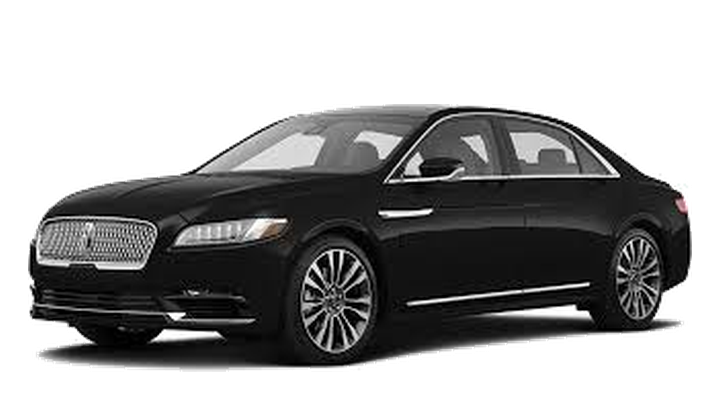 Premier Executive Sedan
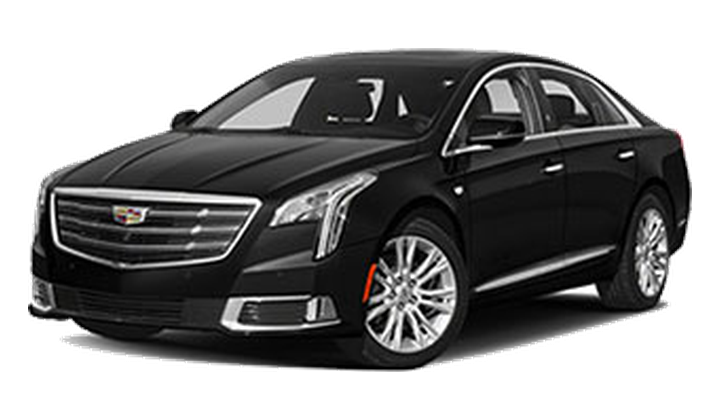 Executive Sedan
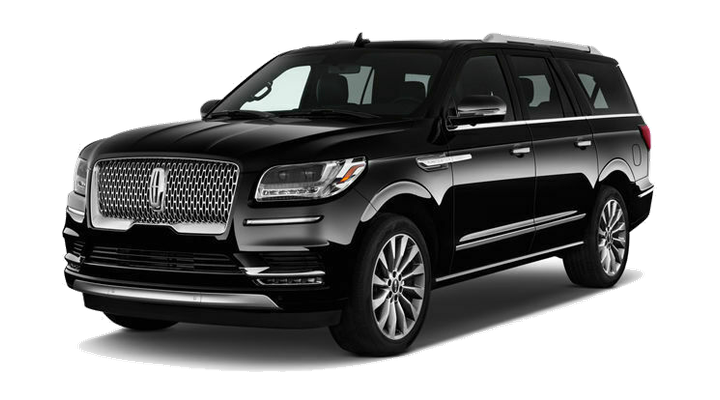 Premier Luxury SUV
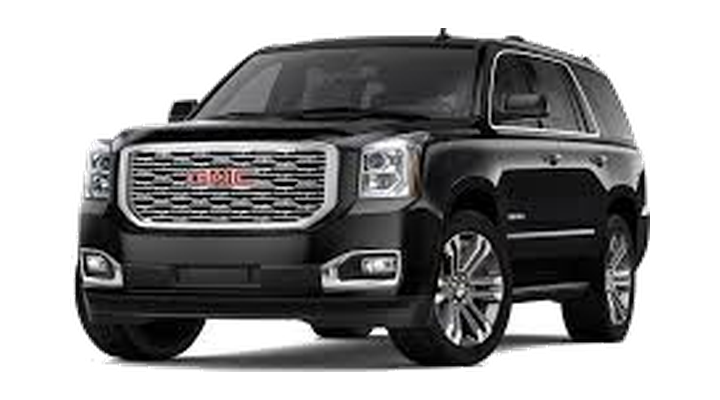 GMC Yukon XL / Suburban
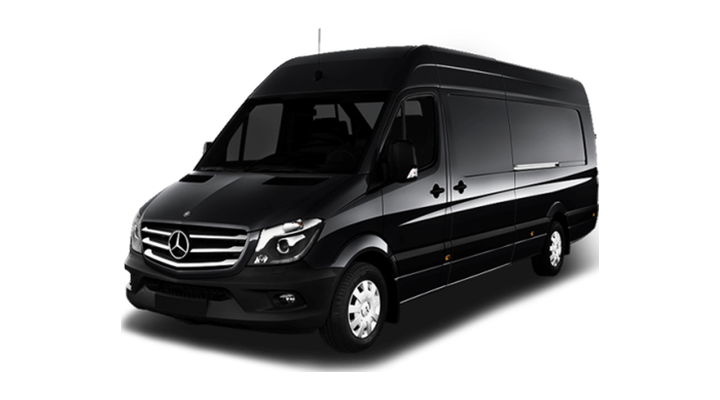 Mercedes-Benz Sprinter
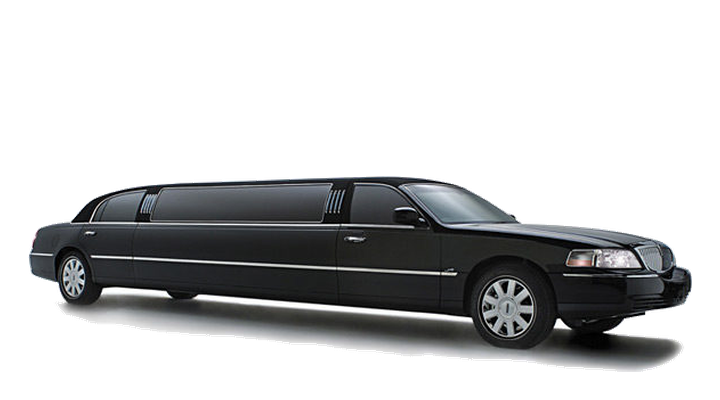 Stretch limousine