How do you choose a black tie event car?
Start with three questions. How much fabric must fit through the door? How high is the step? How long will the guest sit before stepping out in front of others? A slim dinner suit tolerates almost any car; a full-skirted gown does not.
When you book a black tie event car with MoovLimo, we ask about the outfits before we assign a vehicle. Our fleet page shows door openings and cabin layouts for each class.
Which car suits each dress code?
| Dress code | Typical outfit | Best vehicle | Why |
|---|---|---|---|
| Black tie | Dinner suit, evening gown | Long-wheelbase sedan or SUV | Comfortable, discreet, easy exit |
| White tie | Tailcoat, floor-length gown | Rolls-Royce or long-wheelbase sedan | Wide rear door, room for tails |
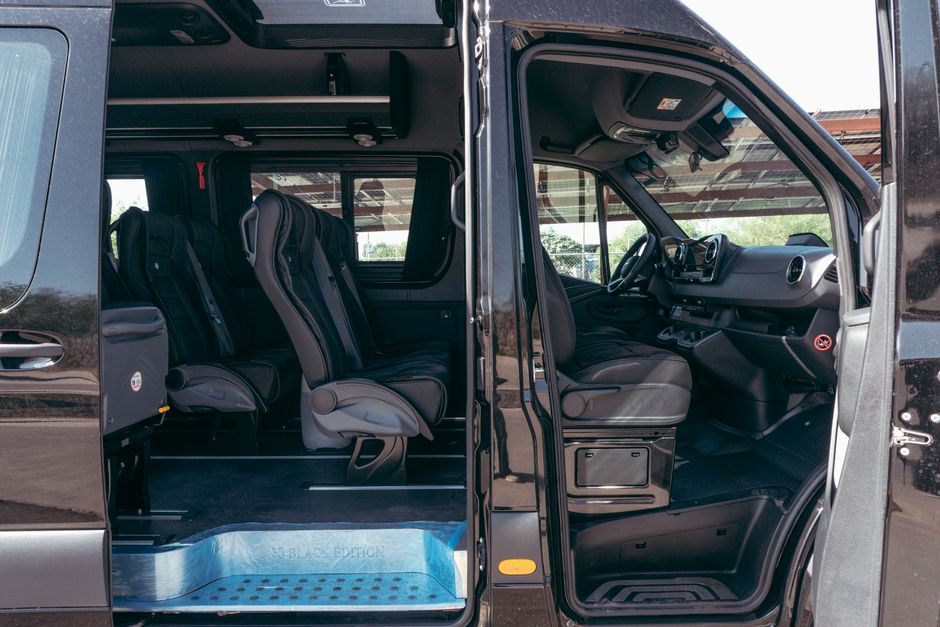
| Couture or red carpet | Structured gown, train | High-roof Sprinter | Flat floor, can stand or perch |
| Creative black tie | Varied, statement pieces | Depends on the piece | Plan with the stylist |
| Morning dress | Morning coat, top hat, day dress | Sedan or SUV with good headroom | Top hats and fascinators |
Why do door shapes matter so much?
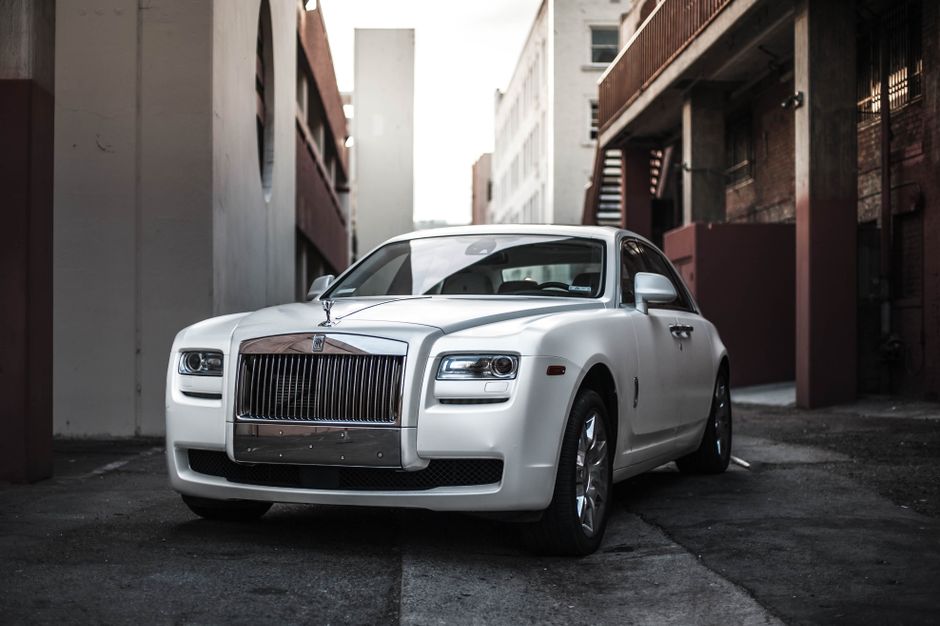
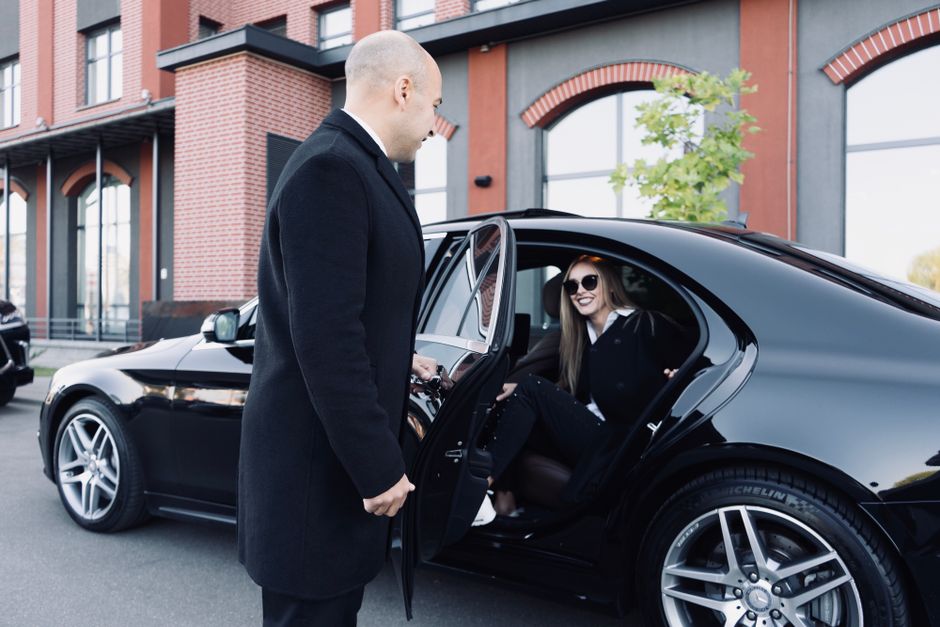
Rear-hinged coach doors, as on a Rolls-Royce Phantom or Ghost, open wide and let a passenger step out facing forward, keeping a gown together. Conventional rear doors are narrower and require a twist. SUVs offer height but add a step that can catch a hem. Sliding doors on vans are wide but put the guest at kerb level, which is ideal for trains.
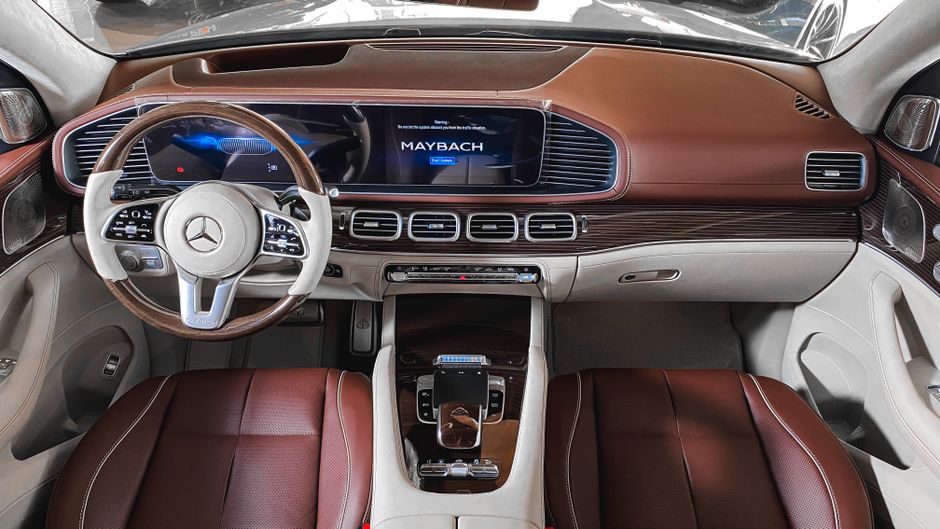
For a detailed comparison of the two flagship sedans, see Maybach or Rolls-Royce.
What does white tie change?
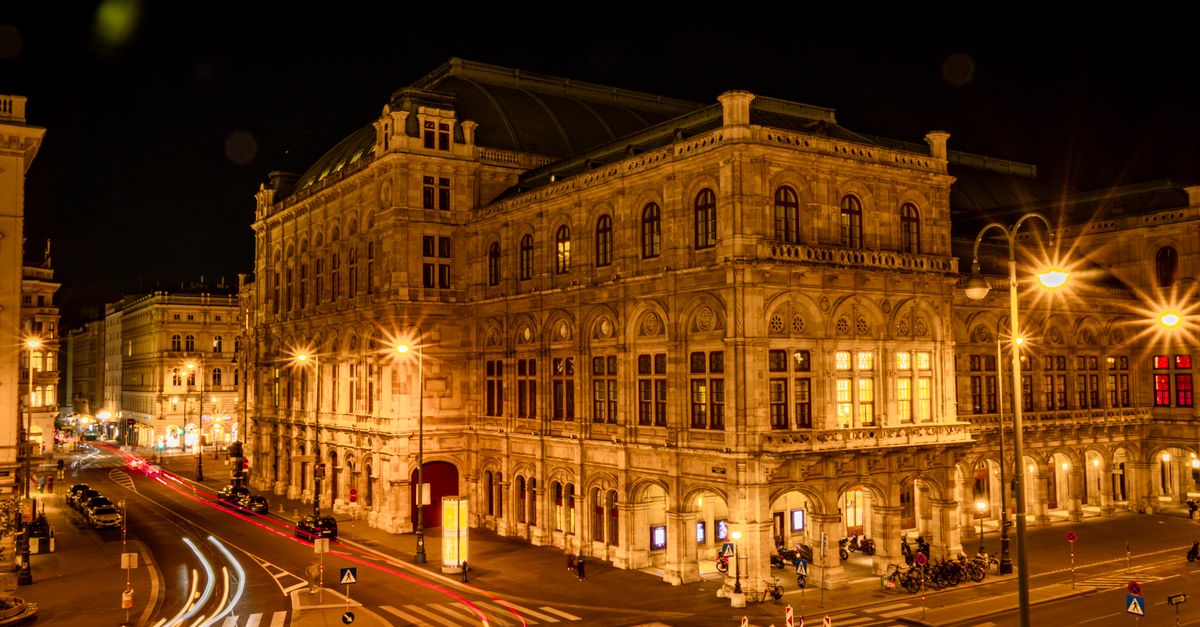
White tie is the most formal code, still required at events such as the Vienna Opera Ball. Tailcoats should not be sat on carelessly, so passengers lift the tails as they sit. Gowns are floor-length and often voluminous. The car needs generous rear legroom and a wide door; short-wheelbase sedans make both harder.
Our Opera Ball timings guide shows how the evening unfolds once the outfits are in the car.
How should couture gowns travel?
Couture rarely bends. Stylists may ask the guest to stand, kneel on a cushion or sit sideways. A high-roof van with a flat floor, clean pale seat covers and no protruding fittings is the safest option. We remove floor mats, check for sharp edges and keep the cabin cool so fabrics do not wrinkle with heat.
Our red carpet timing guide covers the arrival itself.
What about morning dress and race days?
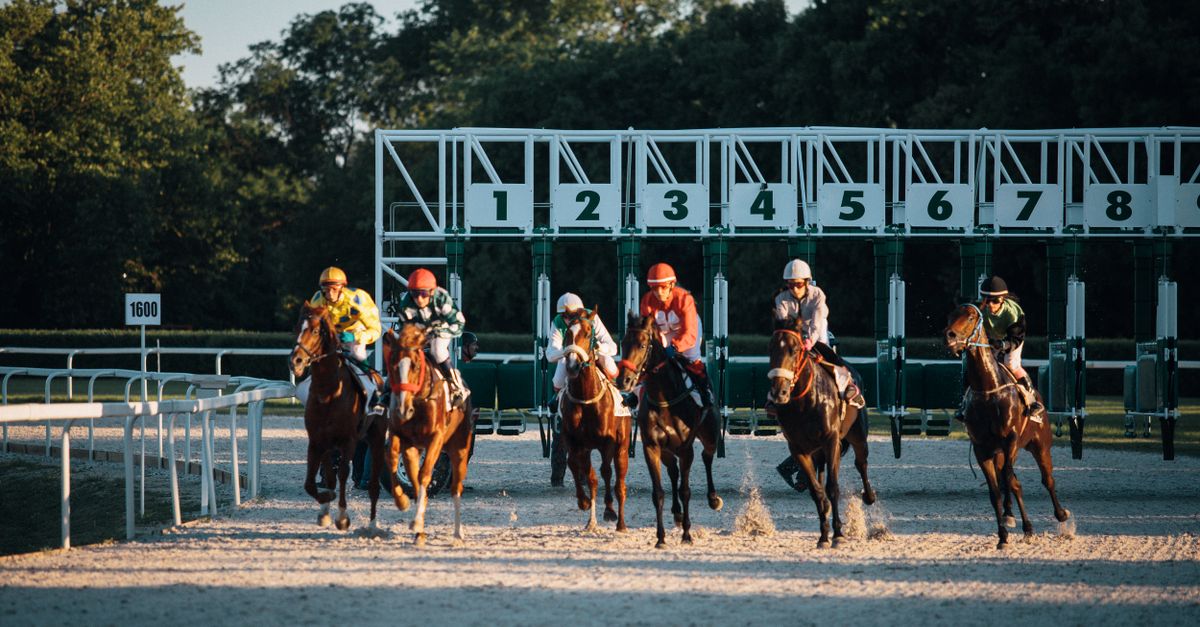
Daytime formal codes bring their own challenges: top hats need headroom, and fascinators catch on door frames. At Royal Ascot, the Royal Enclosure has a published dress code, and guests change footwear for lawns and paths. A car with a tall cabin, plus space for a change of shoes and umbrellas, solves both.
Our Royal Ascot chauffeur guide covers the day in detail.
Does seat material matter?
It does. Leather is easy to keep spotless but can be slippery for silk, and dark leather can transfer heat on a sunny day. Fabric seats are kinder to delicate textiles but can hold lint. For important outfits we lay clean, light-colored covers on the seat and keep a lint roller, safety pins and a small steamer in the team car.
Which mistakes should you avoid?
- A low sports coupe for a gown; graceful exits are almost impossible.
- A tall SUV without a running board for a slim, long dress.
- A small sedan for two passengers in white tie.
- A car warmed by afternoon sun before couture gets in.
- Forgetting space for coats, shoes and umbrellas.
How do weather and season change the choice?
Climate quietly changes the answer. In summer heat, a dark car parked in the sun can be uncomfortable for heavy tailoring and risky for delicate fabrics, so we pre-cool and park in shade. In winter, salt spray and slush make the step from car to pavement the danger zone for hems; a car with a running board or a door that opens close to the kerb helps.
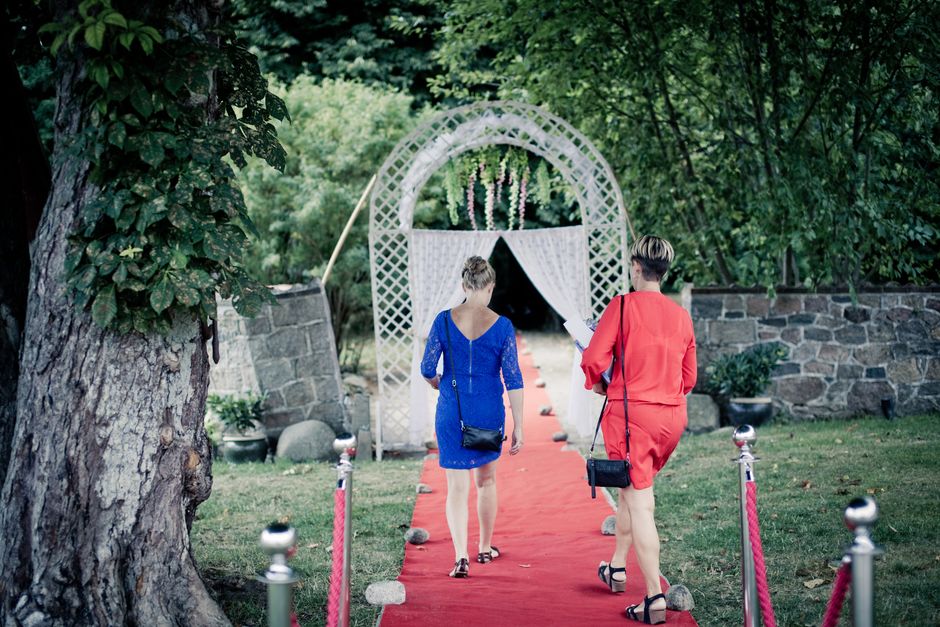
Rain calls for a car with an umbrella stowed in the door, or a chauffeur with a large one ready before the door opens. On gravel drives and lawns, as at country-house galas, a vehicle that can approach the entrance directly spares shoes and trains.
Should the team travel separately?
For formal events with styling teams, yes. A second car carries the stylist, garment bags and repair kit, following closely. The principal’s car stays clean and calm. Our after-party guide explains how the same second car helps later in the night.
How do you book the right car?
Describe the outfits, the event, the guest count and the venue kerb. Our team will recommend a vehicle and, for complex looks, talk directly with the stylist. Chauffeurs work under NDAs and our Privacy Protocol. When ready, reserve the car.
Frequently asked questions
What is the best car for a black tie event?
A long-wheelbase sedan or premium SUV suits most black tie evenings. For voluminous gowns or couture, a high-roof van with a flat floor protects the outfit better.
Why do people choose a Rolls-Royce for white tie events?
Its rear-hinged doors open wide, allowing a passenger to step out facing forward with room for tails or a full gown. It also offers generous rear legroom.
Can a couture gown fit in a normal car?
Sometimes not. Structured gowns and long trains often need a high-roof van where the guest can stand or perch. We plan this with the stylist once the look is known.
What car works for Royal Ascot morning dress?
Choose a car with good headroom for top hats and fascinators, and space for a change of shoes and umbrellas. A long-wheelbase sedan or SUV works well.
Should stylists ride in the same car as the guest?
Usually not. A separate team car following closely keeps the guest’s car uncluttered and lets the stylist reach the guest quickly with repairs or touch-ups.
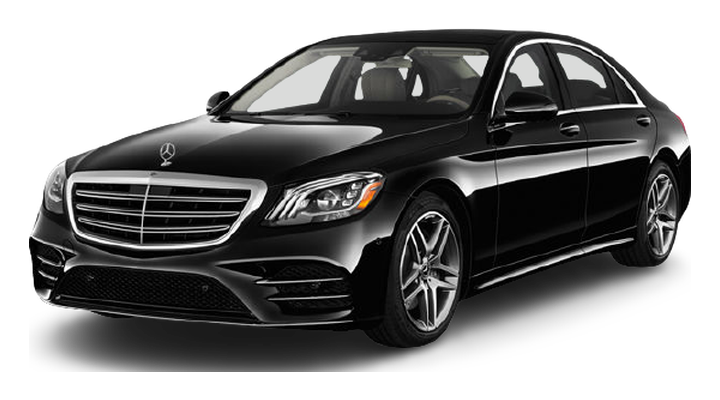 Mercedes-Benz S-Class
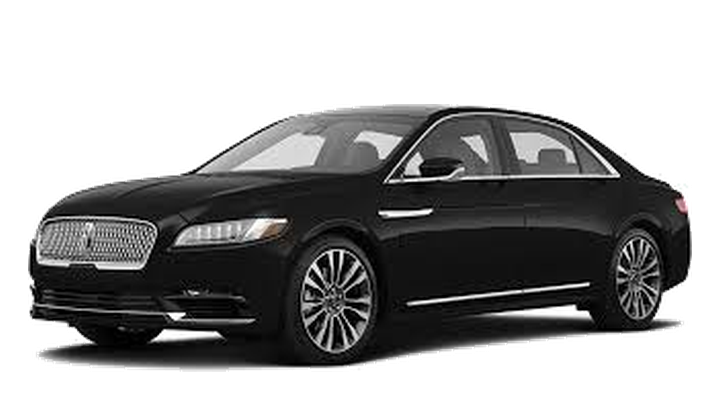 Premier Executive Sedan
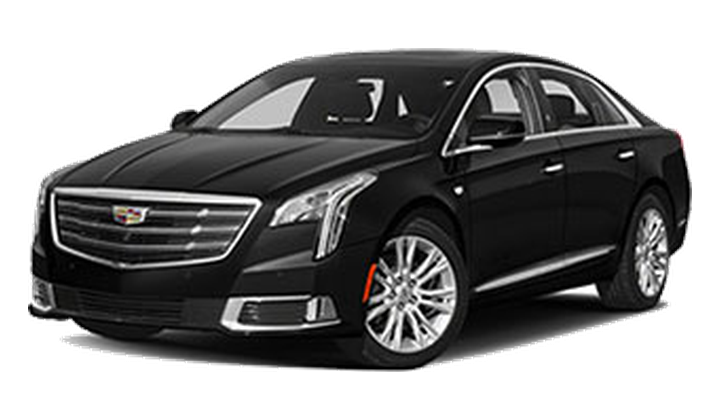 Executive Sedan
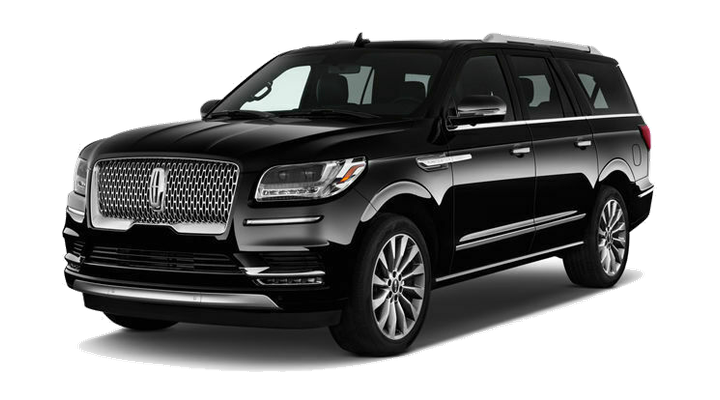 Premier Luxury SUV
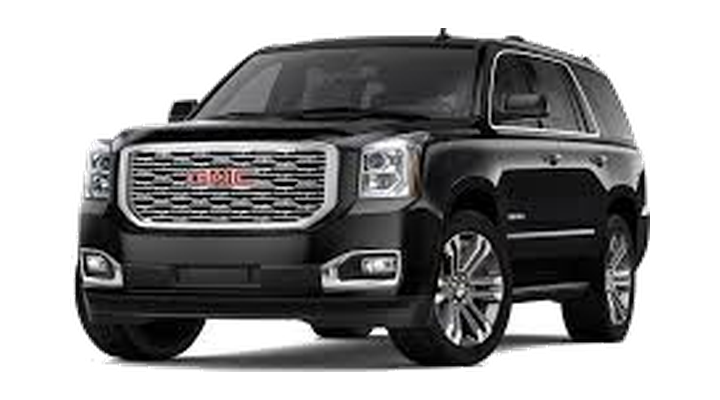 GMC Yukon XL / Suburban
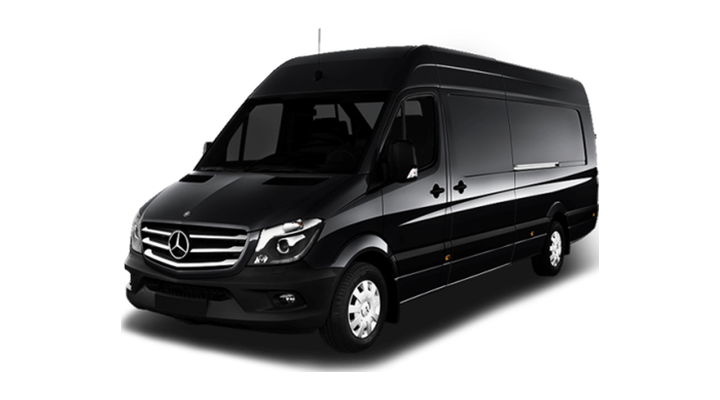 Mercedes-Benz Sprinter
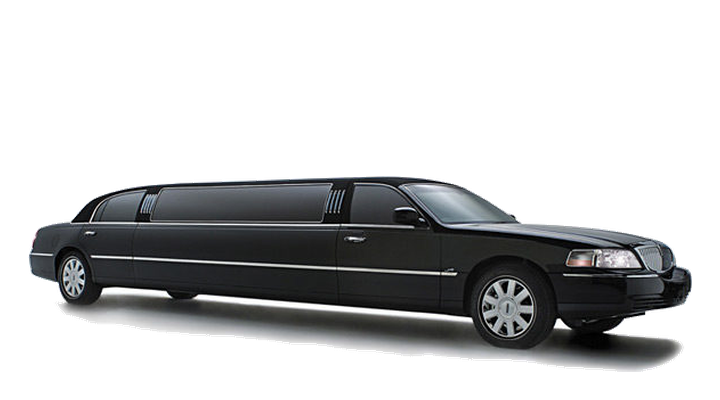 Stretch limousine